For Seoul-based buyers planning a North Bay Village move, home-office resilience deserves the same scrutiny as architecture and views. Evaluate current flood mapping, documented generator coverage, address-level connectivity and an evacuation-ready working plan before committing.
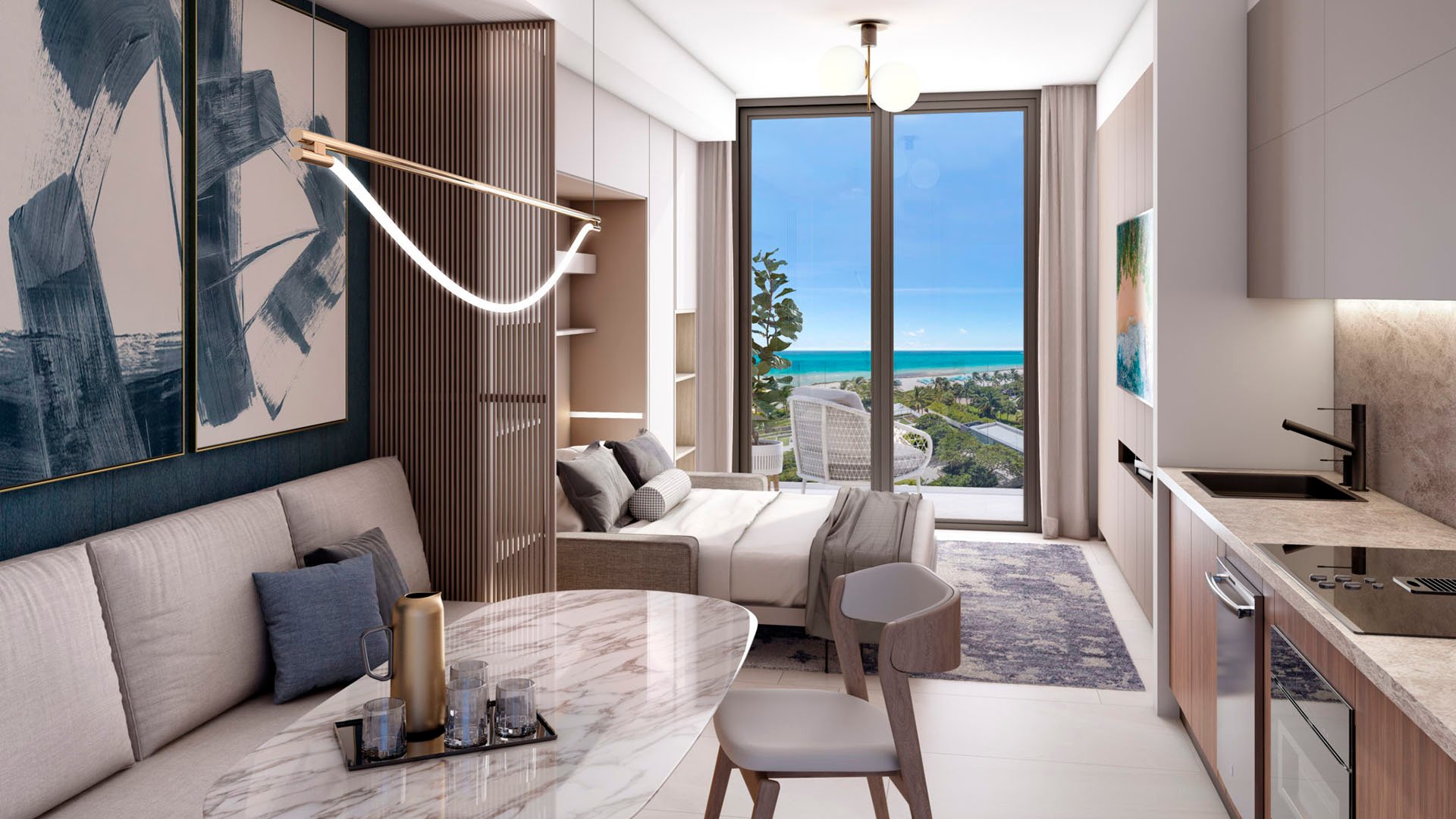
For a buyer relocating from Seoul to North Bay Village, a beautifully appointed study is only the beginning. The more consequential questions lie behind the walls: what stays powered, which connection remains usable, and how the household will function when staying home is no longer appropriate.
Treat resilience as a purchase criterion, not a post-closing technology upgrade. If your workday includes confidential calls, large file transfers or coordination with colleagues in Seoul, define those requirements before evaluating residences. A credible answer should identify specific systems and responsibilities, not simply promise that a building has backup.
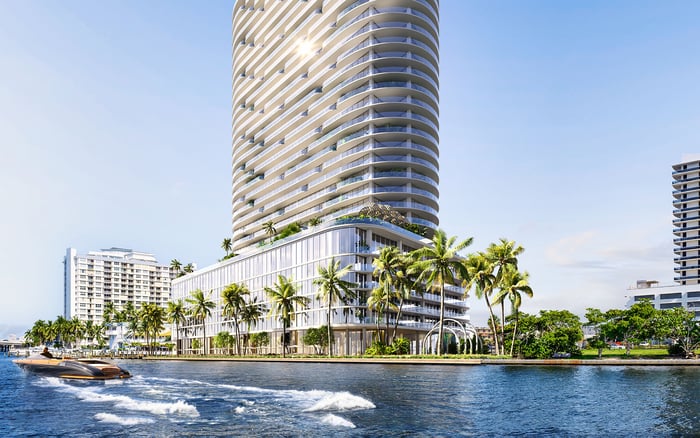
When considering Continuum Club & Residences North Bay Village, bring that operational brief to the conversation alongside your preferences for layout and outlook. Project names throughout this article are search references, not assurances of verified power or connectivity features.
Review current property-level flood information when selecting a North Bay Village residence, even one whose office would sit well above ground level. Ask how rainfall, tidal flooding and storms are addressed in the property's preparedness planning.
Do not treat a historical flood designation as a current determination for a particular purchase. Ask your advisers to confirm the applicable mapping and any property-specific revisions.
Request the elevation certificate, flood-insurance information, mechanical-system locations and available records of recent storm performance. Ask specifically about parking, entrances and access areas rather than limiting the discussion to the apartment. Include purchasing and maintaining flood insurance in your preparedness planning, and review the proposed coverage with your insurance adviser.
The question extends beyond whether water could reach the desk. Ask whether the systems and access arrangements that support daily life have been evaluated for flooding. Request documentation, not general reassurance.
The phrase “building generator” is not a complete specification. Ask whether coverage reaches individual residences and designated office outlets or serves only limited emergency and common-area systems. Do not infer unit-level backup from the presence of a generator.
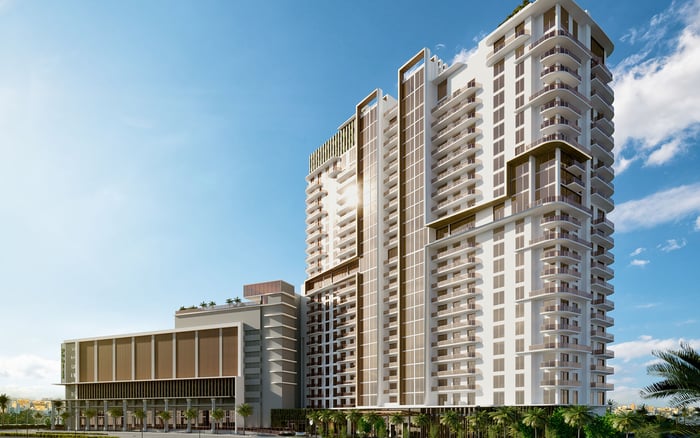
For Shoma Bay North Bay Village, as for any candidate residence, request written answers that distinguish building services from the equipment you intend to use. Keep those answers with the purchase documents so your technology adviser can work from a defined scope.
The power review should address:
Which residential circuits, if any, receive backup power.
Whether elevators and building telecom equipment receive backup power.
What runtime and fuel capacity are documented, and under what operating assumptions.
Who handles testing, maintenance and communication when service is interrupted.
Ask a qualified adviser to assess a battery or uninterruptible power supply for essential desk equipment. Define its purpose: an orderly shutdown, a bridge through a brief interruption or a longer working interval. Request runtime estimates for your actual equipment load rather than relying on a device's headline capacity.
Do not assume that cooling, every elevator or every outlet remains available. Each item belongs in the written scope of coverage.
A move from Seoul should begin with your own working requirements, not a presumed comparison between two cities. Broadband speed measurements do not establish uptime, and citywide figures cannot confirm service at a particular residence.
Investigate wired broadband alongside a cellular or 5G fallback. This is a due-diligence recommendation, not an assurance that either option is available or dependable at every address. Confirm provider availability for the exact residence, and clarify installation permissions, lead times and building requirements before relying on a service.
Where access permits, test the intended office location with the applications that matter: video meetings, secure remote access and file transfers. Ask your adviser to test how switching connections affects an active session. If switching is manual, record the required steps.
Ask what powers the building's telecom equipment during an outage. Evaluate desk-level power alongside the wider connectivity arrangement. Do not describe two subscriptions as independent backups until their dependencies have been examined.
Keep a portable working setup ready, with essential files and access credentials arranged in line with your employer's security policies. The objective is a workable alternative, not a promise of uninterrupted service.
For a purchase involving planned or unfinished systems, distinguish design intent from completed installation and demonstrated operation. Request the applicable specifications and ask when the relevant power and connectivity arrangements can be inspected or tested. Have your advisers review what the purchase documents actually commit to delivering.
A buyer evaluating Tula Residences North Bay Village can use the same questions without presuming any particular construction status or system capability. For an existing residence, seek available maintenance and storm-performance records; for proposed systems, seek clear documentation and verification milestones.
Compare documented answers property by property. Neither a different address nor a different design language is evidence of greater resilience.
Backup planning must complement evacuation planning, never replace it. Follow official warnings and evacuation directions, and consult local emergency-management guidance for orders. A powered workstation is not a reason to remain when instructed to leave.
Choose an alternative working destination in advance and establish who will notify colleagues if travel interrupts your availability. Keep building-management contacts and outage-reporting information accessible without relying entirely on the home connection. Avoid downed power lines and standing water.
Households relying on electrically powered medical equipment should discuss emergency arrangements with their care team and ask local emergency management about available evacuation assistance before an emergency. That planning deserves separate attention, not a place within an office-equipment checklist.
Before committing, assemble a compact decision file: current flood information, insurance review, written backup-power scope, address-level connectivity findings and a relocation plan for both household and work. For a Seoul-to-North Bay Village move, the most useful luxury is clarity about what the residence can support-and what requires an alternative.
Explore your South Florida residential options with MILLION.
If branded residences are on your mind — as a home or as an allocation — we would be glad to share what we are seeing, privately.
Begin a quiet conversationDefine your essential work requirements, then verify property-level flood information, power coverage and connectivity options. Include an alternative working location in the plan.
Review current flood information for the specific property. Ask how rainfall, tidal flooding and storms are addressed in its preparedness planning.
Do not treat a historical designation as a current property-level determination. Ask your advisers to confirm the applicable mapping and any property-specific revisions.
Request the elevation certificate, flood-insurance information, mechanical-system locations and available storm-performance records. Include parking and access protection in your review.
No. Ask whether it powers individual residences and office circuits or only limited emergency and common-area systems.
Request documented runtime, fuel capacity and operating assumptions. Do not assume any particular duration without building-specific confirmation.
No. Investigate availability at the exact residence and test the intended office location, relevant applications and switching procedure where access permits.
No. Speed measurements do not establish uptime or confirm how service will perform at a particular residence during an interruption.
No. Backup systems must complement evacuation planning, and residents should follow official warnings and evacuation directions.
Discuss emergency arrangements with your care team and ask local emergency management about available evacuation assistance before an emergency. Keep medical-equipment planning distinct from the home-office backup checklist.