A practical guide for Brussels buyers coordinating Bal Harbour insurance, condominium due diligence, deductible exposure, and a hurricane-season move.

For a buyer relocating from Brussels, Bal Harbour offers an oceanfront setting and a highly serviced residential lifestyle. The insurance structure behind a Florida condominium purchase may be unfamiliar, so it should be examined alongside title, building governance, and the residence itself.
Property policies can separate hurricane, windstorm, and non-wind deductibles. Buyers should therefore compare the premium with the deductible exposure, policy language, exclusions, and condominium master coverage. A lower premium does not necessarily provide the preferred balance of protection and retained risk.
The decisive number is often not the premium, but the cash exposure retained after a storm.
Ask the insurance adviser to present quotes with matching coverage limits and clearly labeled deductible alternatives. This makes it easier to understand what premium savings may be exchanged for a larger retained loss. Confirm whether each provision refers to wind, named storms, hurricanes, or another defined category.
Current wording matters because policies can differ. Buyers should ask the adviser to explain how each deductible is calculated, when it applies, whether it resets, and how multiple weather events could affect out-of-pocket exposure.
Quotes should be secured, compared, and approved before closing. Any requested change to coverage or deductibles should be discussed directly with the insurance professional, including whether timing or underwriting restrictions apply.
A condominium purchase involves two connected layers: the association's master insurance and the owner's HO-6 policy. Before committing to a residence, request the current insurance declarations, relevant deductible endorsements, available claims information, reserve materials, and special-assessment provisions. These documents can help the buyer and insurance adviser identify the association's coverage and the potential exposure retained by individual owners.
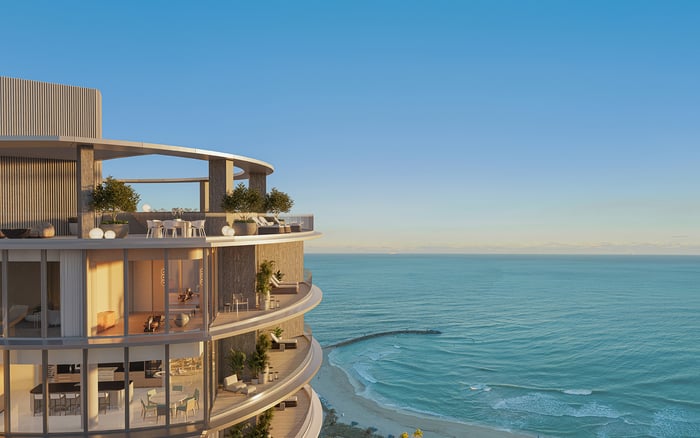
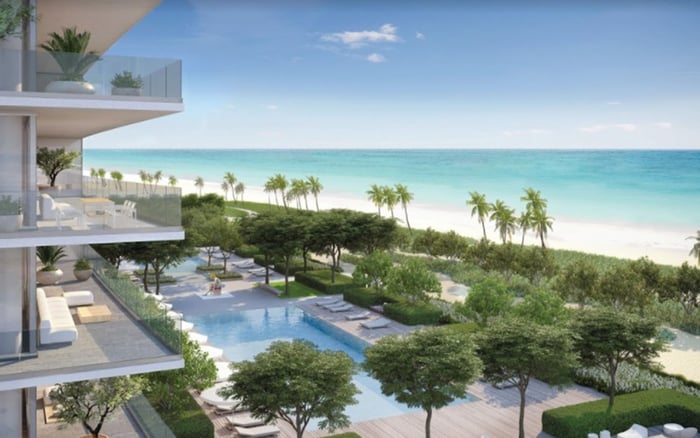
A large association deductible may affect owners if the association funds an eligible loss through a special assessment. That possibility deserves particular attention when considering Oceana Bal Harbour or Rivage Bal Harbour. Each provides a residential frame of reference, but the controlling insurance and association documents must be reviewed for the specific property and transaction.
The review should also address who insures interior finishes, installed improvements, common elements, and personal property. Buyers should avoid assuming that a master policy extends to everything inside a residence.
The individual HO-6 policy should be coordinated with the master policy, particularly for interior property, personal contents, and potential loss-assessment exposure. Confirm what the association insures, what remains the owner's responsibility, and whether the proposed coverage may respond to an eligible association assessment, subject to its terms, limits, and exclusions.
The policy effective date should align with closing. If the residence will be used as a second home, describe the intended occupancy accurately to the insurance professional. High-value contents, commissioned interiors, and art should also be discussed specifically rather than presumed covered because of the residence's value or the scope of the master policy.
Ask whether documented wind-mitigation features are reflected consistently across competing quotes. Any comparison is more useful when each insurer receives the same property information and applies the same requested limits.
For buyers comparing nearby oceanfront options, The Delmore Surfside can broaden the architectural conversation. Those considering a more intimate waterfront setting may also review The Well Bay Harbor Islands. Insurance analysis remains building-specific in every case.
A hurricane-season move requires two synchronized plans: the legal and insurance closing sequence, and the physical movement of household goods. Before the shipment departs Brussels, confirm the anticipated closing, occupancy approval, elevator reservations, loading-dock access, and the building's current storm procedures. Ask what happens to scheduled deliveries if elevators are secured, staff access changes, or the building suspends move-ins.
International moving and storage coverage should be reviewed separately with the relevant providers and the HO-6 carrier. Transit protection should not be assumed. Identify where responsibility changes hands, whether temporary storage is included, and how a weather delay may affect each contract.
Build flexibility into flights, temporary accommodation, installation crews, and delivery appointments. A residence may be available after closing while building operations make immediate move-in impractical. A buffer between closing and the arrival of irreplaceable possessions can reduce avoidable pressure.
Begin by obtaining the association's current insurance and financial materials. Then have an insurance professional map the master policy against the proposed HO-6 coverage. Compare quotes using consistent limits and clearly identified deductible choices, calculate the potential retained exposure, and align policy inception with closing, occupancy, freight, and building access.
This sequence makes insurance part of the acquisition strategy rather than a late-stage formality. For a Brussels household entering Bal Harbour, it can support clearer decisions and a more composed arrival.
For discreet guidance on Bal Harbour acquisitions and South Florida property planning, connect with MILLION.
If branded residences are on your mind — as a home or as an allocation — we would be glad to share what we are seeing, privately.
Begin a quiet conversationEarly quotes give buyers time to compare coverage, deductibles, exclusions, and effective dates before completing the transaction.
No. Calculation methods and policy terms can differ, so the insurance adviser should explain each quote in detail.
Compare matching coverage limits, deductible structures, exclusions, occupancy details, and the resulting retained exposure.
Ask which events trigger it, how it is calculated, whether it resets, and how it interacts with other deductibles.
Coverage terms can differ among policies, so buyers should rely on the documents proposed for the specific residence.
Request current insurance declarations, relevant deductible endorsements, available claims information, reserve materials, and special-assessment provisions.
It may create owner-level exposure if an eligible loss is funded through a special assessment, subject to the governing documents and coverage terms.
It should align with the master policy, intended occupancy, closing date, interior-property responsibilities, personal contents, and potential loss-assessment exposure.
Art, commissioned interiors, and other valuable property should not be presumed covered without reviewing the proposed terms and limits.
Transit protection should not be assumed. Review responsibility, moving coverage, temporary storage, and weather-delay provisions with the relevant providers.