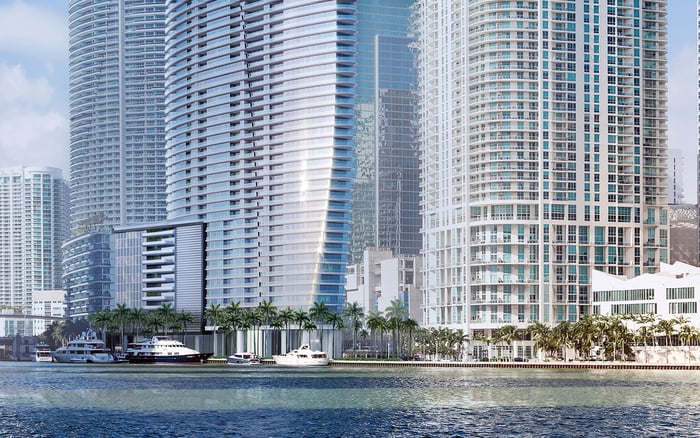
A discreet planning framework for moving a yacht-centered household from Seattle to Miami, aligning vessel delivery, confirmed berthing, residential selection, crew arrangements, and a written hurricane plan.
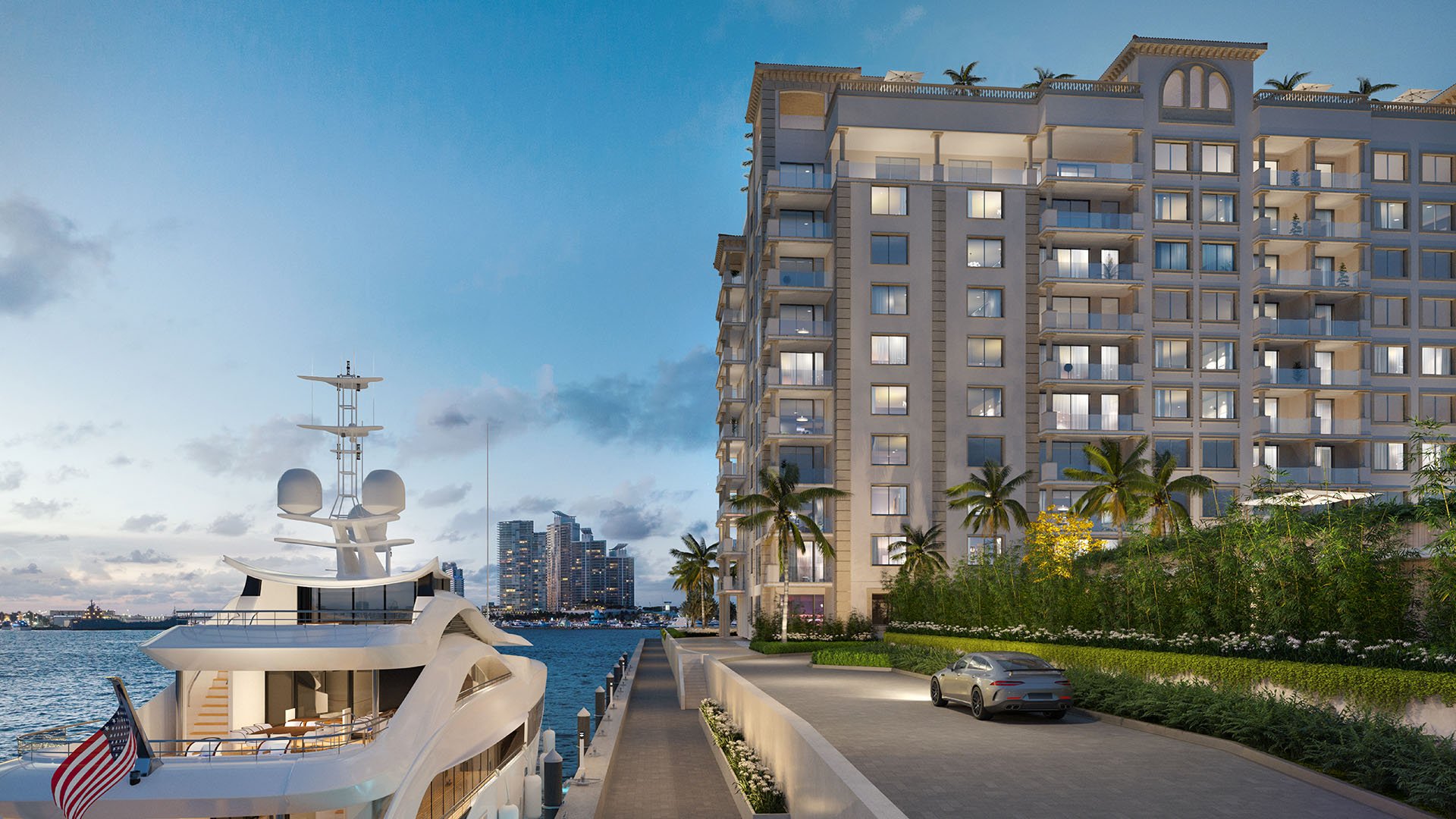
Rebasing from Seattle to Miami is not simply a residential move with a yacht arriving later. It is a coordinated transition involving a home, an accepted berth, a delivery plan, crew arrangements, and decisions that must hold up when the weather changes. The most useful luxury is certainty: knowing who can act, where the vessel can go, and which arrangements are confirmed in writing.
Start with a single vessel dossier covering length overall, beam, operating draft, shore-power requirements, insurance contacts, and the captain’s arrival requirements. Use it consistently for marina inquiries, delivery proposals, and household planning. Evaluate the residence and yacht berth together, but do not treat either as proof that the other is secured.
For inquiries at Yacht Haven Grande Miami at Island Gardens or Miamarina at Bayside, make the first conversation technical rather than aesthetic. Request current vessel-size limits, berth availability, and arrival procedures directly. Published dimensions can help screen options, but they do not establish that a particular yacht will be accepted into a particular berth.
Before committing, request written confirmation of:
Acceptance of the yacht’s actual dimensions and intended arrival window.
Assigned-slip depth, approach suitability, and shore-power compatibility.
Availability, rates, term, and cancellation provisions.
Crew access, onboard accommodation permissions, and service access.
Hurricane procedures, including whether the vessel may remain.
For buyers considering Aston Martin Residences Downtown Miami, keep the residential decision separate from the marina agreement. A downtown address does not establish slip availability, access privileges, or hurricane refuge.
Do not anchor the household’s move to a generic Seattle-to-Miami transit estimate. Ask the delivery team for a vessel-specific proposal setting out the proposed method, route, timing assumptions, exclusions, and contingencies. Document any applicable canal arrangements or transport bookings rather than assuming they are included in a headline quotation.
For delivery or repositioning under the yacht’s own power, the captain’s planning should account for regional tropical-cyclone patterns and current weather-analysis, forecast, and wind-wave charts. When tropical weather becomes relevant, plot the danger area, assess nearby ports and hurricane havens, and identify at least two possible courses of action.
Calculate the vessel’s closest approach to the cyclone and revise the navigation plan as forecasts change. Arrival should remain a managed outcome-not a date the captain is pressured to meet because the household calendar is already fixed.
Test lifestyle preferences against ordinary operating days. Ask who travels between home and yacht, who handles provisions, where visiting crew will stay, and how the household functions when the vessel is away. Evaluate the actual home-to-berth journey at the times you expect to use it; do not base a purchase on an untested transfer-time promise.
A Brickell search that includes Una Residences Brickell should include a separate marine-access checklist. Request documentary confirmation of any proposed boating arrangement, including whether it is connected to the residence or requires an independent agreement.
Apply the same discipline when considering The Ritz-Carlton Residences® Miami Beach. The question is not whether the address suits a yachting identity, but whether the confirmed berth, household access, and crew arrangements support the owner’s routine. Verify any docking entitlement separately; do not infer it from a waterfront setting.
The captain, household manager, and owner’s representative should work from one arrival plan. Separate crew travel from the owner’s itinerary so a delayed vessel does not leave staffing and accommodation decisions unresolved.
Before booking, assign a responsible person to verify:
Applicable immigration and employment requirements for each crew member.
Staffing needs for delivery, arrival, and subsequent operations.
Marina permissions for sleeping aboard and accessing the vessel.
Shore accommodation, transport, provisioning, and service appointments.
Emergency contacts, spending authority, and relief arrangements.
These are verification tasks, not universal rules. Have qualified advisers assess documentation requirements for the actual people and operating circumstances. Obtain accommodation terms and marina permissions directly. Neither a residential purchase nor a berth inquiry authorizes crew housing.
The handover should identify who receives the yacht, confirms berth readiness, and contacts the household if weather or operational conditions change.
Prepare a detailed vessel hurricane plan before the season and include the yacht in the household’s broader emergency plan. If the relocation falls during the season, make that plan part of arrival readiness rather than a later administrative task.
Evaluate whether to secure the yacht at its marina if permitted, remove it from the threatened area, or move it to a previously identified refuge. Check the marina contract for hurricane procedures and arrange potential relocation well in advance. Do not assume an ordinary berth agreement includes permission to remain during a storm.
Agree on preparations with the marina operator and consult the vessel manufacturer about appropriate securing methods. Keep the required tie-down equipment aboard. Inspect dock lines at the beginning of hurricane season; for a moored vessel, also inspect the chain between the pennant and the mooring.
Maintain photographs and a written vessel description for insurance documentation and recovery. Use multiple forecast and alert channels, with clear actions before, during, and after a storm. Name the decision-maker and backup, and give them written authority to implement the agreed plan without waiting for the owner to become available.
As a planning framework, begin coordination 90-120 days before the intended move and use a 30-60-day review to reconcile outstanding commitments. These are suggested intervals, not regulatory or marina deadlines.
At that review, place the berth acceptance, delivery proposal, crew arrangements, residential access instructions, and hurricane plan side by side. Resolve contradictions before departure. A yacht expected before its berth is ready, or a crew arrival without confirmed accommodation, is a coordination problem to solve while alternatives remain open.
For a residential search shaped around your confirmed yachting requirements, explore South Florida with MILLION.
If branded residences are on your mind — as a home or as an allocation — we would be glad to share what we are seeing, privately.
Begin a quiet conversationObtain vessel-specific berth acceptance and align it with the delivery proposal, crew arrangements, and hurricane plan. Evaluate the residential purchase separately from any boating entitlement.
Include length overall, beam, operating draft, shore-power requirements, insurance contacts, and the captain’s arrival requirements. Use the same dossier for marina inquiries and delivery proposals.
Request current vessel-size limits, berth availability, and arrival procedures directly. Obtain written acceptance for the yacht and intended arrival window.
No; confirm assigned-slip depth, approach suitability, shore power, availability, contract terms, and vessel acceptance directly.
Commission a vessel-specific proposal covering the delivery method, route, timing assumptions, and contingencies. Keep the household calendar flexible enough to accommodate weather-related changes.
Review current weather and wind-wave information, plot the danger area, and assess nearby ports and hurricane havens. Identify at least two courses of action and revise the plan as forecasts change.
Verify immigration and employment requirements, staffing, marina access, onboard accommodation permissions, and shore housing. Assign responsibility for each item before travel is booked.
Only if the marina permits it and the agreed plan supports that arrangement. Review the contract and arrange any potential relocation well in advance.
Keep photographs and a written vessel description for insurance documentation and recovery. The plan should also identify actions, responsible decision-makers, and communication channels.
No; they are suggested coordination and review intervals, not regulatory requirements or marina deadlines.