A discreet planning framework for a Paris-to-Key Biscayne move, covering commercial and private aviation, causeway congestion, residential due diligence, and a carefully coordinated late-night arrival.
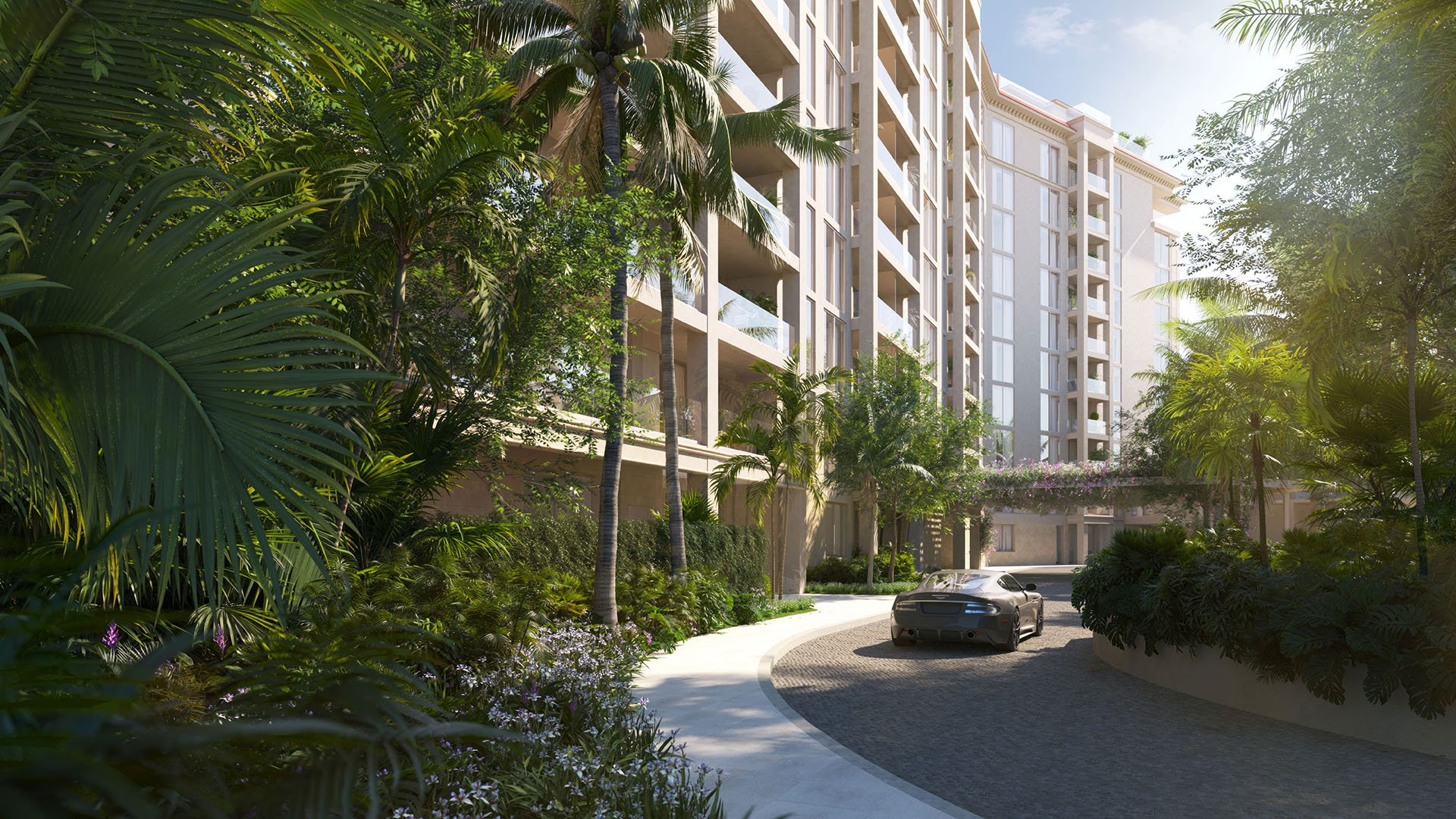
For an executive rebasing from Paris to Key Biscayne, the residence and the journey deserve equal attention. A home may satisfy every architectural preference, yet the decision remains incomplete until the household has considered airport choice, the causeway crossing, and the practicalities of arriving after dark.
The key distinction is between what can be arranged in advance and what must be reassessed on the day. Flight selection, transport contacts, and residential access belong in the first category; flight status and road conditions require a fresh check. A private-client checklist should connect the two without treating either as a guarantee.
For a buyer considering Oceana Key Biscayne, arrival planning belongs alongside the residence evaluation. Ask how the proposed home would accommodate the household's actual travel rhythm, rather than assuming an island address suits every executive schedule.
Miami International Airport, or MIA, is the commercial-service reference point for this comparison. Miami-to-Paris Charles de Gaulle itineraries include nonstop and connecting options. For a Paris departure, confirm the actual westbound itinerary, operating date, and arrival details before arranging the ground transfer.
A nonstop Miami-to-Paris flight typically takes about nine hours. That is an eastbound estimate, not a reliable duration for Paris-to-Miami travel. An executive calendar should follow the booked flight's schedule, not a reversed approximation.
Miami-Opa Locka Executive Airport, or OPF, serves a different role: general aviation. It is the largest of Miami-Dade's five general-aviation airports and operates 24 hours a day, seven days a week. That makes it relevant to private-aircraft scheduling, but not automatically preferable for every household or faster to every residence.
Before selecting either airport, establish:
Whether the trip is scheduled commercial travel or a private-aircraft movement.
The confirmed flight details and intended arrival date.
The terminal or private handling location for the pickup.
Who will communicate changes to the driver and receiving party.
These airport characteristics alone establish no universal door-to-door advantage. Select the aviation arrangement first, then evaluate the complete journey to the chosen address.
OPF's round-the-clock operation answers only part of the late-arrival question. A private terminal there also operates continuously, without an after-hours call-out requirement, and offers services including 24-hour surveillance and aircraft handling.
Those features are not broader guarantees. Airport or terminal opening hours do not establish customs availability or clearance arrangements for a particular international private flight. Nor does terminal surveillance establish the security of the subsequent vehicle journey or residential arrival.
For a private flight from Paris, ask the aircraft operator and handling team to confirm the applicable clearance arrangements before departure. Separately, confirm where passengers will meet their transport after the required arrival procedures. These are distinct confirmations, not details implied by “24/7.”
For commercial arrivals at MIA, use real-time arrival and departure status to update the pickup plan. Keep scheduled touchdown separate from the moment the household is ready to leave the airport.
The Rickenbacker Causeway connects Key Biscayne with Miami and is the critical road-access link for an airport transfer to the island. Approximately six miles long, it has experienced significant congestion. Its length is not a measure of predictable crossing time.
Weekends and peak traffic seasons deserve particular attention. Crowds entering or leaving special events, along with beach departures, can contribute to congestion. Ordinary weekday commuting patterns are therefore an incomplete guide to the household's likely experience.
The appropriate response is a flexible itinerary, not an unsupported numerical allowance. Ask the transport provider to review conditions close to the journey, and reconsider tightly timed commitments immediately after arrival. For departures, reassess the road plan against the flight's requirements rather than reuse the timing from a previous trip.
A late-night landing is not proof of an uncongested crossing. Event-related traffic does not establish conditions at a particular hour, and neither airport choice nor a premium vehicle removes the need for a current road assessment.
The property comparison should reflect how often the principal expects to travel, whether family members arrive separately, and how much schedule flexibility the household is willing to preserve. These are buyer preferences to define, not services to assume a residence provides.
If the search extends to Coconut Grove, Park Grove Coconut Grove can be evaluated as a residential alternative against the same travel brief. Compare the actual proposed journeys and access arrangements; do not infer a dependable airport-transfer advantage from the neighborhood name.
A buyer considering Brickell alongside Key Biscayne might similarly include Una Residences Brickell in that assessment. The question is not which address sounds more convenient, but which residence best supports the household's preferred balance of home life and executive travel.
For every candidate, request current, property-specific answers about after-hours access, visitor authorization, luggage arrival, and the contact available when plans change. Branding, pricing, and architectural presentation establish none of those arrangements.
A secure late-night arrival is a planning objective, not an amenity established by the airport facts. The following are recommended coordination steps, not verified protocols of any airport, transport company, or residential project.
Before departure, agree with the chosen transport provider on how the household will confirm the assigned driver, vehicle, and meeting point. Ask what happens if the flight is delayed or the assignment changes. Keep a known contact available to resolve discrepancies before entering a vehicle.
Separately, confirm the residence's actual access procedure and identify the person responsible for receiving the household, if one is required. Establish how that person will receive revised timing and what the fallback will be if access cannot be completed as planned. Do not assume overnight staffing or unrestricted entry.
The final checklist should be short enough to use: confirmed itinerary, appropriate clearance arrangements, pickup details, a current road assessment, and an agreed residential handoff. Luxury, in this context, is less about promising a frictionless journey than removing avoidable uncertainty before it begins.
Explore a residence search shaped around your household's travel priorities with MILLION.
If branded residences are on your mind — as a home or as an allocation — we would be glad to share what we are seeing, privately.
Begin a quiet conversationMIA is the commercial-service reference point, while OPF is relevant to general aviation and private-aircraft scheduling. Neither has an established universal door-to-door advantage for Key Biscayne.
No. The approximately nine-hour nonstop estimate applies to Miami-to-Paris travel eastbound, not to a westbound departure from Paris.
Yes. Miami-Opa Locka Executive Airport operates 24 hours a day, seven days a week.
No. Customs availability and clearance arrangements must be confirmed separately for the particular international private flight.
It connects Key Biscayne with Miami and is the critical road-access link for an airport transfer to the island. Its approximately six-mile length does not establish a predictable crossing time.
Weekends, peak traffic seasons, special-event arrivals and departures, and beach departures warrant attention. These patterns do not establish a precise congestion calendar.
There is no dependable fixed transfer time or numerical causeway buffer established here. Review current conditions with the transport provider and keep immediate post-arrival commitments flexible.
No. The available traffic patterns do not establish road conditions at a particular late-night arrival time.
As recommended planning steps, confirm pickup identification, the meeting point, residential access, and the contact responsible for changes. These are not verified services or protocols of any named residence.
Evaluate each residence against the household's actual flight schedule and request current answers about after-hours access. Compare Key Biscayne, Coconut Grove, or Brickell options without assuming a guaranteed transfer advantage.