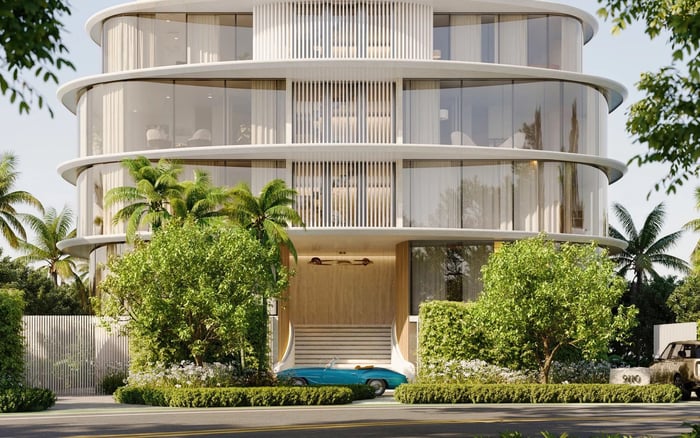
For Surfside collectors, a successful art installation begins before the truck arrives. Written delivery procedures, confirmed freight access, artwork-specific climate instructions, and a clear approval path belong in the residence-management plan from the outset.
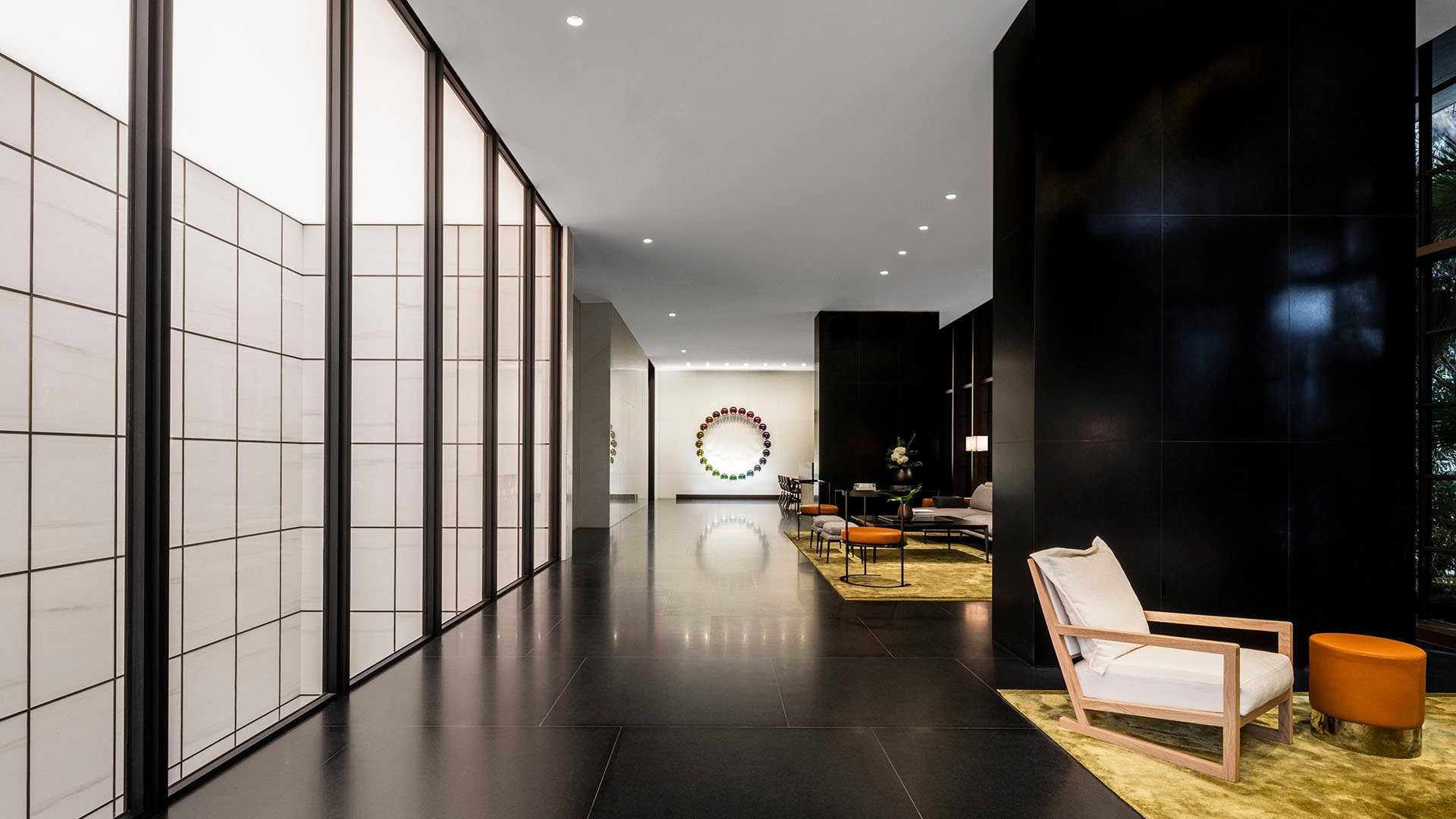
A residence can be ready for its owner without being ready for the owner's collection. In Surfside, the journey from delivery vehicle to finished wall deserves its own management plan. Freight access, protective measures, environmental instructions, and installation permissions should be settled before transport is booked.
The objective is not simply to secure an elevator. It is to align the residence manager, building management, art handler, and installer around a written sequence. For a buyer considering Arte Surfside, that conversation belongs alongside the assessment of display walls and room proportions. The questions below are due-diligence recommendations, not statements of the property's policies.
Treat delivery access and installation approval as separate decisions. Permission to bring a crate upstairs is not permission to drill, anchor a heavy work, or alter exterior glazing. Each requires an answer from the appropriate decision-maker.
Request freight-elevator and delivery procedures before closing, then reconfirm them before booking an artwork shipment. Regional condominium practices offer useful prompts, but they do not establish a universal Surfside schedule, deposit, insurance limit, or reservation period.
Ask management for permitted delivery hours, advance-notice requirements, blackout dates, and reservation procedures in writing. Confirm whether the delivery company and installer need separate approval, whether a deposit is required, and whether crews need an escort. Establish who can authorize a change if transport timing shifts.
Buyers assessing Fendi Château Residences Surfside should make the same written inquiry rather than assume another residence's arrangements will apply. A useful management file identifies the booking contact, the documents required for access, and the point at which a reservation becomes confirmed.
Keep that file with the collection's delivery brief. Everyone arranging the shipment should work from the same instructions, not separate recollections of a telephone conversation.
Some South Florida condominiums prohibit furniture and freight in passenger elevators. Freight-elevator reservations are also a common prerequisite for bringing contractor equipment into Miami condominium buildings. Confirm the designated route and elevator before agreeing to a delivery date.
Build the reservation around the proposed work, not merely the vehicle's arrival. Ask whether the booking must cover protective setup, unloading, movement to the residence, equipment removal, and cleanup. Confirm packaging-removal procedures and whether management requires inspections before and after delivery.
Have the handler assess the route against the shipment's actual packed dimensions. Confirm relevant door openings, elevator dimensions, capacity, and turning constraints rather than relying on generic loading measurements. This is a planning recommendation, not a statement of any building's specifications.
Management may require a certificate of insurance before granting elevator access. Obtain the required wording and submission instructions directly, and confirm acceptance before dispatch. Establish whether the transport and installation crews need separate documentation. An elevator booking does not confirm that every access requirement has been satisfied.
Delivery protection requirements may include elevator padding, floor runners, corner guards, and protection for doors and hallways. Confirm the required materials and who supplies, installs, and removes them. Resolve any difference between the handler's approach and the building's requirements before arrival.
Designate one owner-side coordinator to consolidate instructions and receive updates. Ask the team to record the agreed delivery sequence, responsibility for unpacking, and the process for pausing work if access conditions differ from the plan.
Keep artwork-condition documentation separate from any building-required inspection of shared spaces. The latter may be part of elevator coordination; the former should be discussed with the owner's art professionals. Agree on packaging disposal or retention in advance so crates do not become an unresolved issue at the end of the reservation.
Do not assume a residential air-conditioning setting provides suitable conditions for every object. Obtain temperature, relative humidity, monitoring, and acclimatization instructions for the particular work from its conservator or qualified art-care adviser. No single numerical target should be treated here as a Surfside building standard.
For a residence under consideration at The Surf Club Four Seasons Surfside, ask which environmental conditions the owner can control and which require building coordination. Do not infer collection-care capabilities from the property's name or service presentation.
Translate the art adviser's instructions into a written handoff: the intended receiving room, who checks conditions, who authorizes unpacking, and what happens if the room is not ready. Ask whether monitoring is appropriate and who would respond to an alert while the owner is away.
Any acclimatization interval should remain specific to the work and its professional handling instructions. Do not insert a standard waiting period simply to complete the delivery schedule. If those instructions affect access or unpacking, reconcile them with the reservation before committing to transport.
Installation review should begin with a description of the proposed work. Ask the installer to identify mounting locations, drilling or anchoring, equipment needs, and any potential effect on the building envelope. Then ask management which approvals or professional reviews apply. Do not assume all drilling or heavy-art anchoring follows the same process.
Surfside's 2010 zoning requirements called for a building permit before a building was erected, constructed, altered, moved, converted, extended, or enlarged. That historical requirement does not establish that every artwork installation needs a permit or determine current requirements for a particular proposal.
Confirm current permit requirements with the Building Department for the actual scope. Online-fillable forms and electronic notarization are available for submissions to the department, easing document preparation without resolving whether a permit is needed.
Surfside lies within Miami-Dade's High-Velocity Hurricane Zone. Proposed work affecting exterior glazing or the building envelope therefore deserves particular attention. If balcony delivery, a crane, or structural intervention is contemplated, seek specific guidance and approval rather than treating it as an ordinary freight reservation.
For buyers evaluating Ocean House Surfside, the useful question is not whether art delivery sounds manageable, but whether its requirements can be documented for the proposed residence and collection.
Before dispatch, assemble the confirmed booking, accepted access documents, protection plan, artwork-specific environmental instructions, and applicable installation approvals. Identify any outstanding decisions and assign responsibility for resolving them. The result should be a quiet, orderly arrival, with the collection's placement considered as carefully as its selection.
Explore South Florida residences with a considered ownership perspective at MILLION.
If branded residences are on your mind — as a home or as an allocation — we would be glad to share what we are seeing, privately.
Begin a quiet conversationRequest freight-elevator and delivery procedures before closing, then reconfirm them before booking the artwork shipment.
No universal Surfside delivery schedule is established here. Obtain the building's permitted hours, notice requirements, blackout dates, and reservation procedures in writing.
Some South Florida condominiums prohibit freight in passenger elevators. Confirm the designated delivery route and elevator with management before scheduling transport.
Management may require a certificate of insurance before granting elevator access. Obtain the building's submission requirements and confirm acceptance before dispatch.
Requirements may include elevator padding, floor runners, corner guards, and protection for doors and hallways. Confirm who supplies and removes these materials.
Do not treat delivery access as installation approval. Ask management separately about the proposed drilling, anchoring, equipment, and any required review.
Obtain artwork-specific instructions from a conservator or qualified art-care adviser. Do not assume a universal Surfside temperature, humidity target, or acclimatization interval.
The published 2010 zoning language does not establish that every artwork installation requires a permit. Confirm current requirements with the Building Department for the proposed scope.
Surfside lies within Miami-Dade's High-Velocity Hurricane Zone. Proposed work affecting exterior glazing or the building envelope warrants specific guidance on applicable approvals.
Confirm packaging-removal procedures and any required pre- and post-delivery inspections. Also agree on responsibility for unpacking and documenting the artwork's condition.