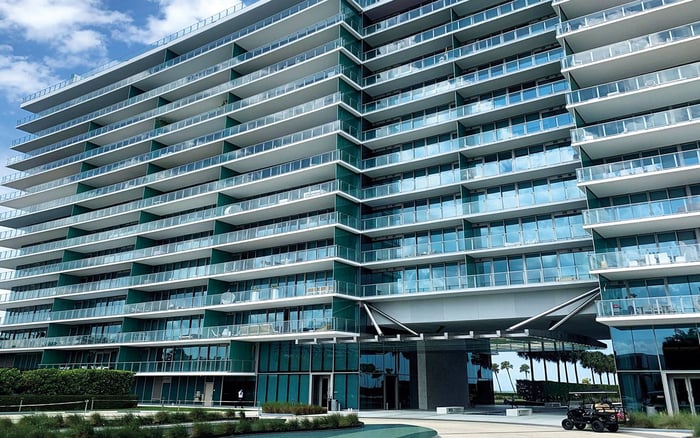
A discreet planning framework for moving a yacht-centered household from Los Angeles to Key Biscayne, separating the residential decision from berth eligibility, transport, vessel paperwork, crew arrangements and hurricane readiness.

Rebasing from Los Angeles to Key Biscayne is both a residential decision and a marine operation. The home can be selected for privacy, light and the rhythm of family life. The yacht requires its own approvals, contracts and contingency plans. Coordinate those timelines; do not assume they will coincide.
For a buyer considering Oceana Key Biscayne, the essential distinction is between choosing an island residence and securing an operating base for the vessel. Treat residential ownership, yacht-club membership and dockage as separate decisions. Do not assume one delivers the others.
A useful private-client brief assigns responsibility across five areas: berth access, transport, vessel compliance, crew arrangements and storm response. The owner’s representative should maintain a single working file. The captain should define vessel requirements, with appropriate advisers handling legal, tax and insurance questions.
Key Biscayne Yacht Club has distinct access pathways. Visiting yachts must obtain the Marina Manager’s approval before entering a slip or tying up anywhere in the marina. Visiting boaters also need a membership card and a letter of introduction from their primary yacht club. Transient dockage requires an advance reservation.
Permanent slip or space assignments are available only to Regular Members. Eligibility is not an assignment. Regular and Associate Members without an assigned slip or space may apply for Long Term Temporary Dockage through the Marina Team, then await a suitable opening through the call list.
Before fixing a transport date, obtain written answers to the practical questions:
What category of access applies to this owner and vessel?
Has a suitable berth been confirmed for the intended dates?
Are the yacht’s length, beam, draft and electrical requirements acceptable?
What charges, cancellation terms and arrival instructions apply?
What happens if transport delays change the arrival window?
Amenities include water, ice and sewage pump-out. Small-craft facilities include dry slips, two launch ramps and a hoist for boats weighing up to 6,000 pounds. That hoist limit does not establish haul-out capability for the owner’s larger yacht. Obtain vessel-specific acceptance rather than extrapolating from general amenities.
Plan the Los Angeles departure and Florida arrival as one chain of responsibility. Ask the captain and transport providers to compare feasible delivery arrangements for the specific yacht, with written proposals addressing handling, preparation, timing and risk. Do not build the residential move around a provisional arrival estimate.
The transport file should identify:
Who prepares the yacht and records its condition before departure.
Who accepts custody at each handover and signs the condition record.
Which costs are included, and which delays or handling services cost extra.
When transport coverage begins and ends, including loading and discharge.
Who receives the yacht and moves it to an approved berth.
PortMiami serves yacht traffic, but that does not establish a particular carrier’s schedule or a suitable unloading arrangement. If a proposal involves stevedoring there, confirm that the operator holds the required port permit. Have the transport provider specify the receiving arrangements before treating the port as the yacht’s arrival solution.
Florida generally requires motorized vessels operating on public waterways to be titled and registered, subject to applicable exemptions. For a federally documented yacht, title and registration require separate analysis. Do not assume federal documentation eliminates every state obligation or that Florida titling necessarily applies.
The familiar 30-day rule concerns a purchase: a purchaser generally has 30 days to apply for vessel title and registration and must carry proof of the purchase date aboard during that period. Do not treat it as a universal countdown beginning when an already-owned yacht arrives from California.
Assemble acceptable ownership documents, such as an executed bill of sale, manufacturer’s statement of origin or federal marine document, as applicable. Title and registration applications are handled through a county tax collector or license plate agent. Include evidence of sales tax previously paid for review.
Florida sales and use tax rules can apply to boats sold, delivered, used or stored in the state, with applicable discretionary surtax, unless exempt. An out-of-state purchase alone does not settle the question. Before arrival, ask the tax adviser to evaluate the yacht’s ownership, purchase and use history without presuming an exemption or a particular treatment of previously paid tax.
Crew planning deserves its own budget and decision-maker. Do not assume the family residence can accommodate crew or that a marina permits overnight stays aboard. Obtain written answers about access credentials, parking, deliveries, working hours and any restrictions affecting routine vessel care.
For shoreside accommodation, establish who signs the lease, the permitted occupancy, the intended duration and the terms for an early departure or extended stay. Have qualified advisers review immigration, employment and payroll questions relevant to the actual crew rather than carrying over the California arrangement unchanged.
If the residential search also includes Coconut Grove, a comparison involving Park Grove Coconut Grove should test the household’s relationship to the confirmed berth, not merely to the water. Walk through an ordinary operating day: provisioning, maintenance access, family boarding and the captain’s return ashore. Test travel arrangements in practice rather than relying on an assumed commute.
A berth confirmation is not a hurricane plan. Before accepting dockage, ask whether the yacht may remain during a storm, whether departure can be required and who determines the timing. Request the marina’s actual instructions and have the captain reconcile them with the yacht’s insurance conditions.
The written plan should answer four questions:
Who can authorize movement when the owner is unavailable?
What primary and backup destinations have accepted the vessel?
What deadlines govern movement, haul-out or storm preparation?
Where will crew shelter once vessel duties are complete?
Any proposed storage or alternate berth should have written acceptance and clear activation terms. Ask the insurer to clarify coverage conditions, deductibles and required precautions. Do not describe an unconfirmed destination as a safe harbor or assume ordinary dockage includes storm protection.
Before departure, review berth acceptance, transport custody, compliance advice, crew arrangements and storm instructions together. Each should name a responsible person and identify unresolved conditions.
If the home search broadens to Brickell, apply the same discipline when considering Una Residences Brickell: evaluate the residence independently, then validate the yacht arrangements. An elegant address and a workable marine base should complement one another without being mistaken for the same purchase.
For a discreet residential search aligned with your yachting priorities, connect with MILLION.
If branded residences are on your mind — as a home or as an allocation — we would be glad to share what we are seeing, privately.
Begin a quiet conversationNo. Visiting yachts need the Marina Manager’s approval before entering a slip or tying up anywhere in the marina.
Visiting boaters need a membership card and a letter of introduction from their primary yacht club. Transient dockage also requires an advance reservation.
Only Regular Members are eligible for permanent slip or space assignments. Eligibility does not itself confirm an available berth.
Regular and Associate Members without assigned slips or spaces may apply through the Marina Team. Applicants then await a suitable available slip through the call list.
Amenities include water, ice and sewage pump-out. Small-craft facilities include dry slips, two launch ramps and a hoist limited to boats weighing up to 6,000 pounds.
The cited 30-day deadline concerns applying for title and registration after a purchase, not a universal arrival deadline. An already-owned yacht’s obligations need separate review.
No. State title, registration and tax obligations should be evaluated separately, including applicable exemptions.
Yes. Florida sales and use tax rules generally reach boats used or stored in the state unless exempt, so purchase history and evidence of previously paid tax should be reviewed.
Confirm accommodation, marina access, onboard-stay permissions and responsibility for employment arrangements. Relevant immigration, employment and payroll questions should receive qualified review.
Do not assume it does. Obtain written marina storm instructions, insurance conditions and acceptance for any proposed alternate berth or storage arrangement.