For Beverly Hills buyers considering Key Biscayne, a long-absence ownership plan should begin with moisture control, immediate leak response and clearly delegated authority. These practical questions help distinguish a beautiful residence from one that is prepared for extended time away.
Choosing Key Biscayne after Beverly Hills calls for more than a change of address. Beverly Hills' wildfire risk includes drought, low humidity, high winds and available fuels. Key Biscayne lies within a Special Flood Hazard Area, making flooding and indoor moisture particular priorities. Neither setting can be reduced to a single hazard, but the shift in ownership priorities is meaningful.
For a residence left unattended for extended periods, the practical question is not simply whether it feels comfortable during a showing. It is whether someone will notice moisture, gain authorized access and arrange corrective work while the owner is elsewhere. Treat that operating plan as part of the purchase decision, alongside privacy, outlook and interior finish.
Keep indoor relative humidity below 60%, with a more conservative target of 30-50% when possible. These are mold-prevention guidelines, not guarantees. A favorable reading does not excuse an active leak or a damp surface.
Ask an HVAC professional to develop a property-specific absence plan based on measured humidity rather than a borrowed thermostat setting. There is no universal vacant-home temperature to prescribe here. Establish how this residence will maintain appropriate conditions-and who will investigate when it does not.
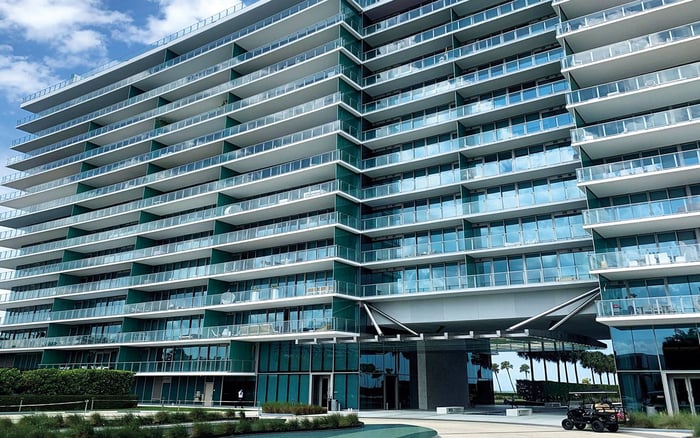
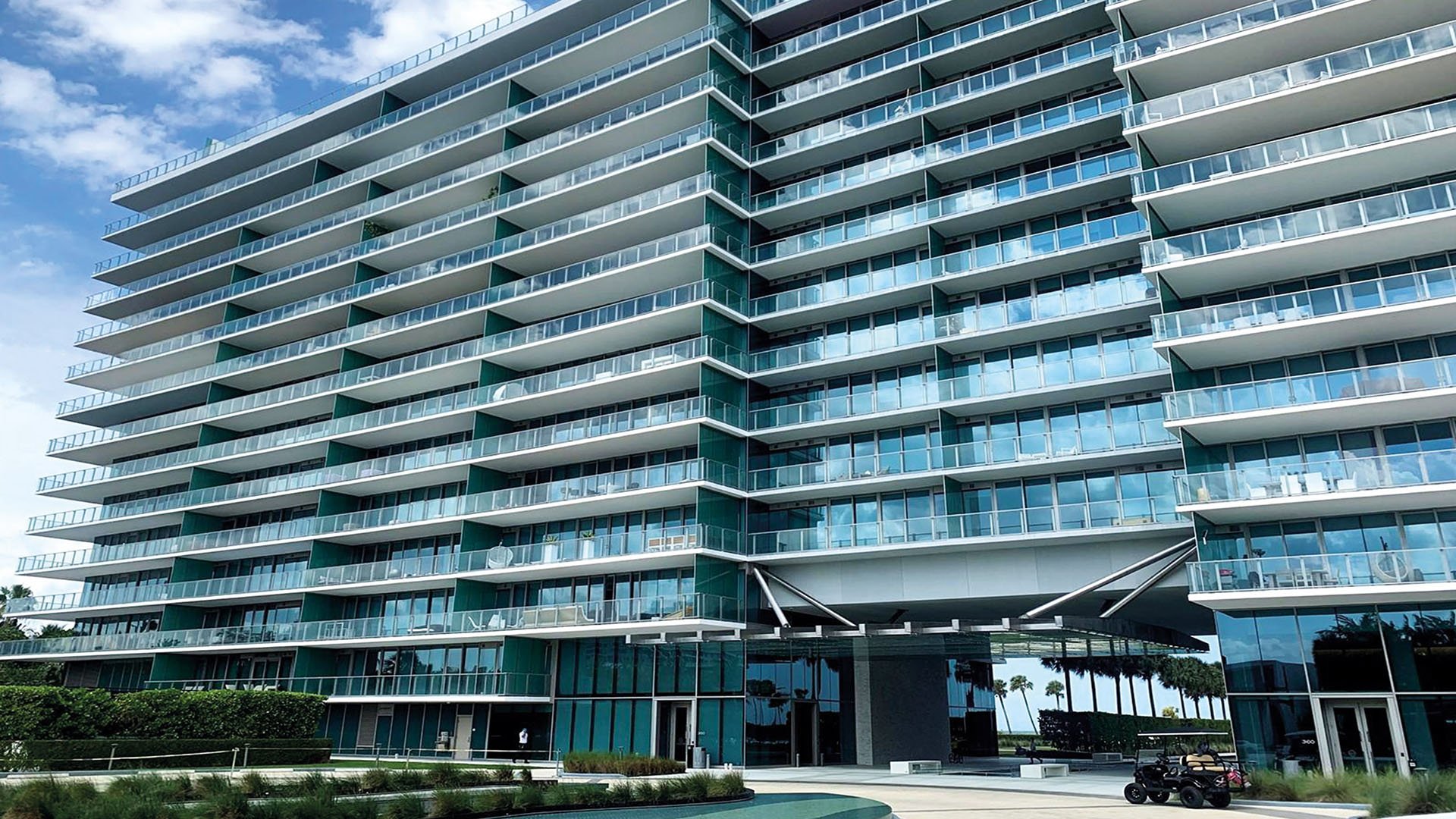
When considering Oceana Key Biscayne, make those questions part of residence-level diligence. Do not assume a building name establishes an absence-care standard. Request available maintenance history and clarify access to equipment serving the home. This is a buyer's inquiry, not a claim about the project's systems or services.
A useful monitoring brief should distinguish indoor temperature, relative humidity and indications of water intrusion. Ask your adviser to recommend sensor locations and alert thresholds suited to the home's layout and equipment. No single sensor configuration suits every property.
Before departure, consider testing the full notification chain: the device sends an alert, the designated local contact acknowledges it, and a backup receives escalation if that person is unavailable. Ask how lost power, interrupted connectivity or an offline device will be recognized. Agree on a fallback inspection arrangement rather than assuming silence means normal conditions.
Remote readings should complement physical observation. Inspections should look for standing water, staining, leaks and condensation. Set the visit schedule with those responsible for the property, taking its condition and any applicable requirements into account. There is no universal inspection interval for every extended absence.
Common molds can take hold when water stands for even 24 hours. Mold-prevention guidelines include drying wet materials within 24 hours and wet or damp areas within 48 hours. Neither period is permission to wait. Discovery should trigger prompt action to address the source and begin appropriate drying.
As a proposed operating sequence, have the local contact record the discovery time, arrange safe access and summon the appropriate professional. Ask that professional to identify and control the moisture source, assess affected areas and document drying work. Floodwater or electrical concerns call for qualified responders, not instructions to an untrained caretaker.
Correct plumbing and building-envelope leaks as soon as possible. Treating visible mold without resolving the underlying moisture problem leaves the essential repair unfinished. Photographs and a clear work record are sensible documentation practices, but they do not replace policy-specific notification or claim requirements.
The moisture inspection should extend beyond rooms and finishes. Check around air-handling units for standing water, and arrange routine inspection of evaporator coils, liner surfaces, drain pans and drain lines. Ask the service professional to record findings and recommended corrective work before the next prolonged absence.
Where an individual water meter is available and accessible, movement when no water is intentionally being used can indicate a hidden leak. Confirm that intended uses have stopped before interpreting the reading. The water account holder is responsible for consumption beyond the meter, making unnoticed leakage a billing issue as well as a damage risk.
If the search also includes Coconut Grove, apply the same questions when evaluating Park Grove Coconut Grove. Ask what can be checked within the individual residence and what requires coordination with management. Do not infer metering arrangements or maintenance responsibilities from the project's positioning.
An indoor moisture plan is not a flood-protection plan. Keep the nearest storm drain free of debris where this can be done safely, and establish whom to contact for drainage concerns requiring intervention. Do not ask a caretaker to enter hazardous conditions to clear drainage.
Where changes are appropriate, discuss elevated utilities and electrical equipment, site grading and perimeter protection with qualified advisers. These are recognized flood-mitigation options, not universal prescriptions or assurances against damage. Their suitability requires property-specific review.
Vacant-property rules also deserve careful interpretation. Standards addressing defects, leaks and obstructions in plumbing fixtures, pipes and drains should not automatically be treated as governing every temporarily unattended Key Biscayne home. Confirm applicability rather than equating a seasonal absence with a legal vacancy classification.
Consider preparing a written absence brief identifying the primary local contact, backup contact, approved trades, access arrangements and escalation sequence. Propose a spending limit for initial emergency work, with a separate approval path for further repairs. Amounts and permissions must be agreed individually; they are not universal legal or insurance requirements.
Before relying on that brief, confirm entry rights, condominium responsibilities, vendor-access procedures and relevant policy obligations. Ask who may authorize work affecting shared systems and what happens if the owner cannot be reached. Do not assume an owner's instruction overrides building rules or contractual limits.
For a parallel Brickell search, carry the same questions into consideration of Una Residences Brickell. Evaluate the actual arrangements available to the residence, not an assumed level of oversight associated with luxury ownership.
Before closing or departing, seek a coherent handover: humidity objectives, equipment findings, alert recipients, access permissions and a response brief reviewed by the relevant parties. Revisit the plan when contacts, systems or ownership arrangements change. The aim is straightforward: reduce uncertainty between detecting a problem and getting qualified help through the door.
Explore your next South Florida residence with MILLION.
If branded residences are on your mind — as a home or as an allocation — we would be glad to share what we are seeing, privately.
Begin a quiet conversationKey Biscayne's flood exposure and indoor-moisture concerns require particular attention. Beverly Hills' wildfire risk includes drought, low humidity, high winds and available fuels.
Keep relative humidity below 60%, with 30–50% an ideal range when possible. These prevention guidelines do not guarantee that mold will not develop.
No universal vacant-home setting is established here. Ask an HVAC professional to develop a property-specific plan based on measured humidity and equipment performance.
Act immediately. Drying guidance includes a 24-hour recommendation for wet materials and a 48-hour recommendation for wet or damp areas, neither of which permits delaying response.
Look for standing water, stains, leaks and condensation. Include the areas around air-handling equipment rather than limiting inspection to visible room finishes.
Arrange routine checks of evaporator coils, liner surfaces, drain pans and drain lines. Check around air-handling units for standing water.
Yes, movement when no water is intentionally being used can indicate a hidden leak. Confirm meter access and that intended water uses have stopped before interpreting the reading.
The proposed plan pairs remote monitoring with physical checks and a designated local responder. Test notifications and agree on a fallback arrangement for connectivity or power interruptions.
Consider written access arrangements, approved trades, emergency spending limits and escalation contacts. Confirm those arrangements against building rules, entry rights and relevant policy obligations.
No automatic application should be assumed for every temporarily unattended Key Biscayne residence. Confirm whether the relevant standards govern the particular property and circumstances.