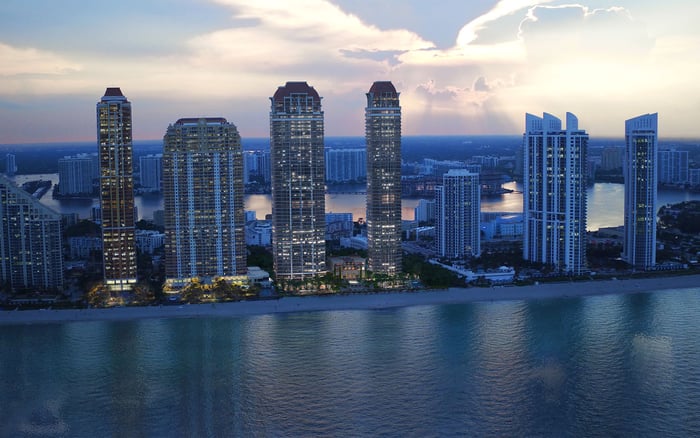
A discreet relocation checklist for Denver buyers approaching a Sunny Isles Beach condominium purchase, with practical guidance on cash reserves, unit and building insurance, title questions, and financing deadlines.

For a Denver buyer considering Sunny Isles Beach, the most useful preparation is not a broad comparison of mountain and coastal ownership. It is a transaction-specific plan that aligns available cash, insurance, title review, and financing before the closing calendar tightens. A residence may suit the household perfectly while the purchase still requires careful coordination.
Treat these four areas as connected decisions. An insurance selection belongs in the cash budget. A title question belongs on the contract calendar. Each lender condition should have a designated person responsible and a requested completion date. The objective is to know what remains unresolved before funds move.
Whether the shortlist includes Jade Signature Sunny Isles Beach or another residence, avoid carrying assumptions from a Denver property into a Florida condominium purchase. The checklist below is a planning framework, not a statement of universal closing charges, legal deadlines, or lending terms. Establish those details for the actual purchase.
Rather than choose a standard percentage of the purchase price, request an itemized estimate from the closing team and, if applicable, financing-related figures from the lender. Keep estimates clearly separate from confirmed charges. A polished total is less useful than a budget that identifies which amounts may still change.
Organize available cash into three categories: funds needed to complete the purchase, amounts allocated to insurance and other confirmed obligations, and a discretionary cushion available afterward. This is a suggested budgeting structure, not a prescribed reserve requirement.
Ask your advisers to identify applicable title and settlement charges, financing expenses, prepaid items, association-related amounts, and adjustments. Have them explain who pays each item under the transaction documents. Do not assume a charge applies-or that the buyer pays it-simply because it appears on a generic checklist.
For a household moving from Denver, keep moving, furnishing, and temporary accommodation budgets separate from the closing reserve. Before committing funds elsewhere, request an updated estimate that explains what has changed and why. The goal is to avoid counting the same cash toward both the purchase and the relocation.
Condominium insurance is commonly written as HO-6 coverage, often described as “walls-in” protection for the unit’s interior and personal property. The association’s master policy generally addresses the exterior structure and common areas. It does not replace the unit owner’s coverage.
For a buyer evaluating Armani Casa Sunny Isles Beach, the question is not simply whether the building is insured. Ask an insurance adviser to explain how the proposed unit policy relates to the master policy and where responsibility begins and ends. Do not infer coverage from a residence’s presentation or project name.
Request a written explanation of proposed limits, exclusions, deductibles, and the treatment of the belongings and interior improvements you intend to insure. Ask which documents are needed to move from a quotation to binding coverage and what evidence can be delivered to the closing team and lender.
Florida insurers must offer discounts for qualifying hurricane-wind mitigation features. Eligibility depends on documentation from a qualified inspector. Ask which documentation supports the proposed discount; do not assume visible features or a building’s appearance establish eligibility.
HO-6 policies usually exclude flood damage. Separate flood insurance is available to condominium unit owners, so evaluate it explicitly rather than leaving it within a general discussion of property coverage.
Keep three questions distinct: what flood protection the household wants, what the lender requires, and what the selected insurer requires. An exemption from a particular statutory flood-insurance requirement does not mean flood damage is covered. Nor does it settle the lender’s position.
For insurers issuing wind coverage that also require flood insurance, Florida’s verification rule requires confirmation of flood coverage when the policy is issued or renewed. Ask the insurance adviser which requirements apply to the exact policy being purchased, including any evidence or affirmation needed.
Before closing, request confirmation of the effective date, premium payment status, and coverage documentation. If coverage remains subject to outstanding information, establish what is missing and when it must be supplied. Treat a quote as a pricing input, not as confirmation that the intended coverage has been bound.
Give title review a separate conversation with the closing professional and, where appropriate, your attorney. Ask them to explain the documents available for review, any exceptions or unresolved matters, and whether further work is needed before closing. This is a prompt to seek transaction-specific advice, not a universal legal checklist.
When considering Turnberry Ocean Club Sunny Isles, apply the same discipline to the residence being purchased: have the relevant documents explained rather than relying on a familiar project name. Keep questions tied to the unit and the actual transaction.
Ask counsel to identify the applicable review, objection, response, and cancellation provisions in the signed agreement and relevant law. Do not borrow a deadline from another purchase. If an issue remains open, obtain advice on its significance and your available options before accepting a verbal assurance that it can be resolved later.
Financing deserves a written status review separate from the buyer’s overall financial capacity. Ask the lender to identify outstanding conditions, requested insurance evidence, and any unit or association documents still needed. Establish who is responsible for obtaining each item.
For a purchase at The Ritz-Carlton Residences® Sunny Isles, do not infer lending acceptance from the name alone. Request confirmation of the lender’s position on the actual purchase, including remaining conditions and the expected path to funding.
Have counsel explain the financing contingency, if one exists, and its notice and timing provisions. Ask what happens if approval remains incomplete as a deadline approaches. Neither a preliminary lending conversation nor an insurance quotation substitutes for written status confirmation.
Before authorizing the final steps, bring the cash estimate, insurance evidence, title questions, and lender status into one review. Ask each adviser to distinguish completed items from outstanding ones and identify any decision that remains yours to make.
Confirm the expected funds needed, the intended coverage effective date, the disposition of title questions, and the remaining financing conditions. If an answer changes, revisit the affected budget or deadline rather than treating the change as an isolated detail.
A well-prepared move from Denver is ultimately about preserving choice: enough clarity to proceed deliberately, and enough liquidity to settle into the residence without avoidable pressure.
Explore Sunny Isles Beach residences with MILLION.
If branded residences are on your mind — as a home or as an allocation — we would be glad to share what we are seeing, privately.
Begin a quiet conversationBuild the reserve from transaction-specific written estimates rather than a generic purchase-price percentage. Separate estimated charges, confirmed obligations, and your discretionary cash cushion.
Keep moving, furnishing, and temporary accommodation budgets separate from funds allocated to closing. This helps prevent the same cash from being committed twice.
HO-6 is condominium insurance commonly described as walls-in coverage for the unit’s interior and personal property. Review the selected policy’s limits and exclusions with an insurance adviser.
No. The master policy generally covers the exterior structure and common areas rather than replacing the unit owner’s HO-6 protection.
HO-6 policies usually exclude flood damage. Condominium unit owners can obtain separate flood insurance and should evaluate it explicitly.
No. An exemption from a particular requirement does not establish flood coverage or determine what a lender may require.
Florida insurers must offer discounts for qualifying hurricane-wind mitigation features. A qualified inspector must document the features used to establish eligibility.
Ask about outstanding documentation, the intended effective date, premium payment status, and evidence of coverage. A quotation should not substitute for confirmation that coverage has been bound.
Have counsel identify the provisions applicable to your signed agreement and relevant law. Do not assume that deadlines from another purchase apply.
Request written confirmation of outstanding conditions, required insurance evidence, and any unit or association documents still needed. Have counsel explain any financing contingency and its timing provisions.