A document-led guide to evaluating construction litigation, repair funding, reserves, financing and insurance before purchasing a Sunny Isles Beach residence, with careful distinctions between allegations and established findings.
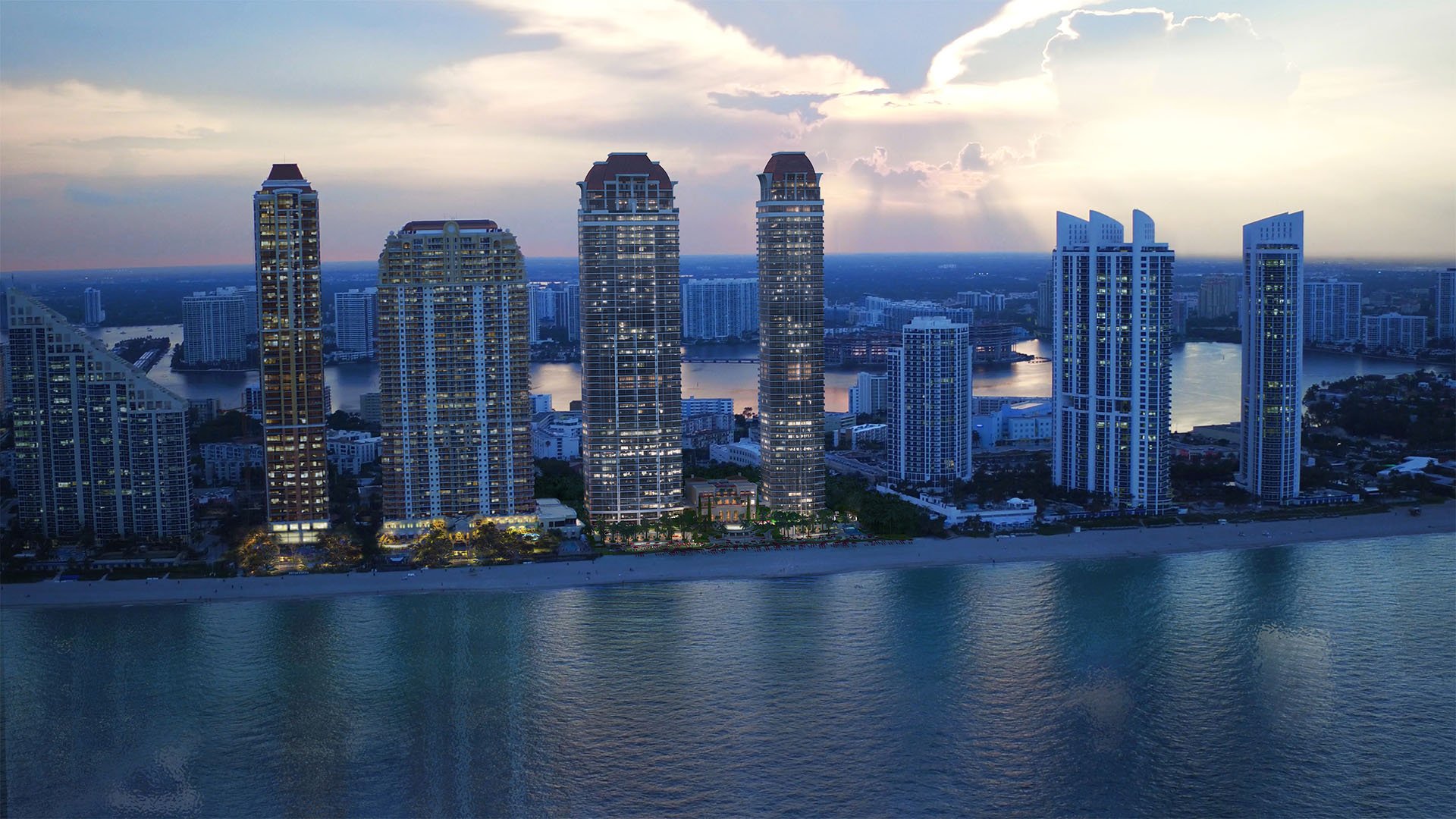
In Sunny Isles Beach, a lock-and-leave residence should offer more than a graceful arrival and an effortless departure. For an owner dividing time between homes, the essential luxury is predictability: reliable access, usable amenities, manageable obligations and clarity about who handles problems while the apartment is unoccupied.
Construction litigation deserves attention because it raises questions photographs cannot answer. It does not, by itself, establish that a building is defective, uninsurable or ineligible for financing. A useful audit separates the legal dispute, physical condition, repair budget and underwriting decision. These are related inquiries, not interchangeable conclusions.
For buyers considering Jade Signature Sunny Isles Beach alongside other residences, the principle is consistent: compare the documentation as carefully as the architecture. This is a diligence recommendation, not a statement that the project faces the disputes discussed below.
The Parque Towers association, at 300 Sunny Isles Boulevard, brought construction-defect claims against the developer and affiliated parties in 2024 and raised them again in a subsequent complaint described in April 2026. The alleged deficiencies covered roofs, pools, arrival decks, the seawall, garage, glazing, sliding doors, balcony railings and elevators.
The association also alleged that developer affiliates attempted to trigger municipal building-code violations to interfere with its investigation. That assertion remains an allegation, not a finding of misconduct. For a prospective owner, the range of components at issue makes the engineering scope and repair-funding plan essential document requests.
The March 2026 litigation picture at The Estates at Acqualina Sunny Isles was different. Two buyers filed separate Miami-Dade Circuit Court lawsuits against Trump Group-related entities alleging defects, delays and impaired use of their residences. Individual complaints require attention to the specific residence and alleged shared-system problems; they should not be treated as an association-wide determination of condition.
Neither set of allegations establishes liability or proven defects. Confirm their current status through updated court records rather than assuming the matters remain open today.
One Estates at Acqualina buyer alleged mold, flood damage, leaks, cracked flooring, rusted pipes and broken elevators affecting the residence or development. The buyer also alleged that amenities, including a golf simulator, wellness center, soccer field, trading room and dog park, were unusable during portions of 2022-2025 because of construction-related problems.
A second buyer alleged that a roughly 5,000-square-foot residence was incomplete or inadequate at the 2024 closing, including an allegedly malfunctioning elevator system. The complaints also described a dispute between Trump Group and former general contractor Suffolk Construction involving delays, payment, workmanship and labor issues.
The practical question is not whether every allegation will succeed, but what condition, access and use can be documented for the apartment being purchased. Request relevant engineering assessments, repair scopes, completion records and management correspondence. Ask which items concern the unit, which concern common elements and which remain disputed. A contractor dispute is no substitute for that property-specific inquiry.
Have counsel obtain the current docket, operative pleadings, material orders and any settlement or dismissal documents. The file should identify who is suing whom, what relief is requested and whether the dispute concerns a residence, common components or both.
Next, reconcile the legal file with the association’s records. Request relevant board minutes, engineering findings and repair updates. Ask management to distinguish unresolved work from completed work, and disputed claims from acknowledged maintenance needs.
For owners who will be absent, add an operational layer: who can enter the residence, receive a repair notice, coordinate a contractor and confirm completion? Request written procedures rather than relying on a general promise of full service. A carefully reviewed legal file cannot compensate for an unclear response protocol when the owner is elsewhere.
The most revealing financial question is often how work will be paid for before any litigation recovery arrives. Request the current budget, reserve balances, approved and proposed assessments, repair estimates and funding schedule. Ask whether anticipated lawsuit proceeds appear in planning assumptions, and have an adviser test the budget without treating a potential recovery as available cash.
One Estates at Acqualina owner allegedly remained responsible for approximately $12,000 per month in assessments while disputing condition and usability. That figure concerns one owner’s allegation; it is not a building-wide fee benchmark.
Request any existing milestone-inspection summary and the latest Structural Integrity Reserve Study, and have counsel confirm the applicable disclosure and inspection requirements. Inspections and reserves warrant attention when evaluating taller condominiums, but the legal obligations and financial implications must be confirmed for the particular property.
Unresolved structural issues, reserve shortfalls and major repairs can mean higher insurance costs and tighter lending. Those outcomes are not established for Parque Towers or Estates at Acqualina. The facts outlined here do not demonstrate conventional-financing ineligibility, insurance cancellation or a litigation-related premium increase at either building.
Ask the proposed lender to review the actual project documentation and confirm its decision, outstanding conditions and timing in writing. A purchaser’s financial strength is no substitute for reviewing the building.
For insurance, request the master-policy terms, relevant exclusions, deductibles and renewal information. Then ask an insurance professional to evaluate them alongside the intended unit coverage. When considering Turnberry Ocean Club Sunny Isles as a comparison, apply the same document standard without assuming comparable litigation or underwriting conditions. Each property needs its own answer.
One Estates at Acqualina buyer alleged that continuing repairs deterred prospective purchasers and contributed to a resale loss. That allegation does not establish an independently verified market-value decline or a discount applicable to other residences.
For an Oceanfront purchase, distinguish the appeal of the address from the evidence supporting a future exit. Ask how unresolved work, assessments and disclosures would be presented to a subsequent buyer. Compare Armani Casa Sunny Isles Beach or other alternatives through their own records, not by transferring concerns from a neighboring development.
A disciplined decision rests on four aligned files: current litigation status, documented physical condition, credible repair funding and property-specific financing and insurance responses. Where an answer remains uncertain, have advisers address it in the purchase terms rather than allowing the view to settle the question.
For a discreet approach to your next Sunny Isles Beach purchase, connect with MILLION.
If branded residences are on your mind — as a home or as an allocation — we would be glad to share what we are seeing, privately.
Begin a quiet conversationNo. The cited Parque Towers and Estates at Acqualina matters involve allegations, not final findings establishing defects or liability.
Their current status is not established by the dated litigation information. Counsel should obtain updated dockets and relevant orders before drawing that conclusion.
Parque Towers involves association claims concerning building components. The cited Estates at Acqualina lawsuits were brought by individual buyers alleging defects, delays and impaired use.
The allegations concerned roofs, pools, arrival decks, the seawall, garage, glazing, sliding doors, balcony railings and elevators. Those allegations are not established findings.
The complaints alleged construction defects, delays and impaired residential use, with specific allegations involving water damage, finishes, pipes, elevators and amenities.
The supplied facts do not establish that outcome for either building. Obtain a property-specific review from the proposed lender.
No litigation-related premium increase or insurance cancellation is established for either named building. Request policy and renewal documents for professional review.
Request any existing milestone-inspection summary, the latest Structural Integrity Reserve Study, reserve balances and repair-funding documents. Counsel should confirm the requirements applicable to the property.
No. It was alleged in connection with one Estates at Acqualina owner and should not be generalized to other residences.
It also examines current litigation, repair funding, insurance, lender review and procedures for managing problems while the owner is absent. These are document requests, not presumed conditions at a particular building.