A discreet operating framework for a seasonal Downtown Miami residence, covering maintenance schedules, building responsibilities, storm decisions, and carefully controlled mail handling.

For a household rebasing from Beverly Hills, the pleasure of arriving in Downtown Miami is finding a life already arranged. That ease deserves an operating plan as considered as the interiors: clear responsibilities, a maintenance calendar, local decision-making, and correspondence that follows the household without compromising discretion.
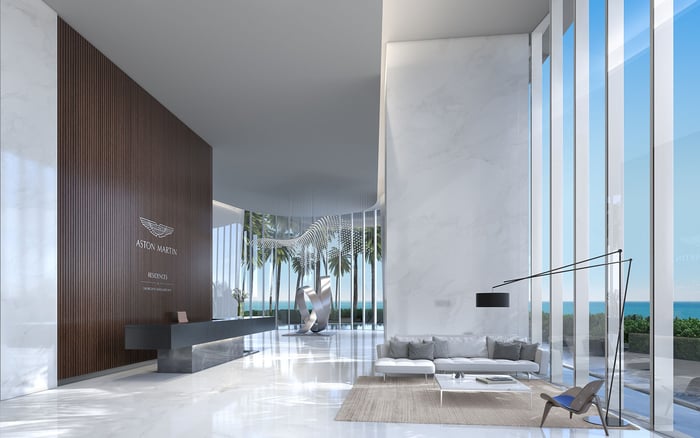
For buyers considering Aston Martin Residences Downtown Miami, the question is not simply who can welcome an owner home, but who has agreed to act in the owner’s absence. Use this private-client planning framework to confirm duties and permissions for the particular residence, rather than assuming them from its address or branding.
Begin with a service register for the Miami residence. Record account contacts, billing arrangements, and the person responsible for resolving a service interruption. Utilities should not be treated as a single handoff.
Assemble management contacts, approved service providers, access instructions, maintenance records, and the household’s preferred communication channel. Control sensitive credentials separately. The goal is a concise working file that an authorized representative can use without circulating the household’s full personal information.
Assign each recurring task to a named person, with a backup and a completion record. Distinguish arranging a visit from completing the work. Close each calendar entry with confirmation, not merely an appointment.
Hurricane season runs June 1-November 30. Build the Miami calendar around that window, then add departure, absence, and arrival milestones. Neither a monthly inspection interval nor an April-May appointment should be treated as a universal requirement. Establish the appropriate frequency with the property team, checking applicable contracts, building requirements, and insurance conditions.
A practical calendar can use four checkpoints:
Before departure: Review open maintenance items, confirm access arrangements, and record the condition of the residence.
During absence: Schedule agreed checks and equipment servicing, with a consistent record of observations and unresolved issues.
Ahead of hurricane season: Review the storm plan, responsible parties, evacuation arrangements, and permitted protective measures.
Before arrival: Confirm that essential services are functioning and that outstanding work will not disrupt occupancy.
For a buyer evaluating One Thousand Museum Downtown Miami, the calendar also serves as a due-diligence prompt: ask what management undertakes, what requires a separate engagement, and how completion is communicated. Do not assume that building services include private residence inspections.
A high-rise checklist should not simply reproduce a detached-home storm plan. In a condominium, first establish which elements the owner controls and who is responsible for preparing them.
Confirm the building’s permitted approach before arranging installations, boarding, or exterior work. Address loose outdoor items within the property’s rules and agreed responsibilities; general preparation advice does not authorize an owner to alter a particular building.
When considering Casa Bella by B&B Italia Downtown Miami, request the applicable operating documents and ask how private terrace preparation, contractor access, and building-wide storm procedures would be coordinated. These are questions to resolve, not representations about services at the project.
A residence needs more than an emergency contact; it needs a documented decision path. As a planning step, prepare written local instructions and have counsel and management confirm their appropriate form, scope, and acceptance. A household instruction sheet is not a substitute for legal authority or condominium approval.
Specify the primary local representative, an alternate, and the decisions each may make. Separate permission to enter from permission to engage a contractor, move belongings, or approve expenditure. Where useful, set owner-selected spending limits by task, along with an escalation route when the principal cannot be reached. Do not assume a universal emergency spending cap.
Identify the property’s storm-surge planning or evacuation zone, locate an emergency shelter, and establish an evacuation plan. Keep personal safety decisions distinct from property-protection tasks. No instruction to protect furnishings should require someone to remain in, or enter, unsafe conditions.
For someone assessing Waldorf Astoria Residences Downtown Miami, the same discipline applies: ask how owner instructions would interact with building procedures, rather than inferring authority from a service-oriented identity.
Postal Hold Mail covers absences of 3-30 days, with mail held at the local Post Office until the customer returns. Requests can be submitted up to 30 days in advance. Online requests require an account and identity verification, so complete this task before the departure-day rush.
For an absence exceeding 30 days, arrange a forwarding service rather than planning to extend Hold Mail beyond its maximum duration. Confirm the current service terms and choose an arrangement that reflects whether the household intends to return. Do not treat six months as a universal maximum for temporary forwarding.
Create a separate plan for private-carrier deliveries and concierge handling. Postal procedures do not establish a building’s parcel obligations. Ask what can be accepted, who may collect it, and how notifications will reach the authorized recipient.
As a privacy measure, consider written instructions that distinguish unopened storage from authorized opening or scanning. Name the recipient and agree on a secure communication method rather than granting broad access to everyone who services the home.
Preparation should lead to a recovery checklist, not end with a forecast. When access is safe and permitted, ask the designated representative to document conditions, flag concerns, and coordinate next steps within the agreed authority. Distinguish an initial observation from a specialist assessment or completed repair.
Before returning, request a concise status update covering unresolved maintenance, service appointments, access changes, and correspondence awaiting attention. Keep the Miami residence’s records consistent across departures and arrivals without assuming that its risks or responsibilities match those of another home.
The final test is straightforward: can the authorized team identify the next action, the person empowered to approve it, and the evidence of completion? That clarity allows a seasonal residence to feel private and composed without leaving its care to improvisation.
Explore Downtown Miami residences with MILLION through the lens of how you intend to live between homes.
If branded residences are on your mind — as a home or as an allocation — we would be glad to share what we are seeing, privately.
Begin a quiet conversationHurricane season runs June 1–November 30. Use that window to organize preparation alongside your departure and arrival dates.
Do not assume a universal monthly interval. Agree on a schedule with the property team after checking applicable contracts, building requirements, and insurance conditions.
Include service and management contacts, billing arrangements, access instructions, maintenance records, and assigned responsibilities. Keep sensitive credentials separate from the working file.
No blanket permission should be inferred from general guidance. Confirm the building’s permitted protective measures and responsibility for the work before arranging it.
As a planning framework, identify primary and alternate representatives, access permissions, permitted decisions, spending limits, and escalation steps. Have counsel and management confirm the appropriate authority and acceptance.
Do not assume a universal cap. Establish owner-selected limits and approval procedures appropriate to the residence and the agreed scope of work.
Identify the property’s storm-surge planning or evacuation zone, locate an emergency shelter, and establish an evacuation plan. Keep safety decisions separate from property-protection tasks.
Hold Mail covers absences of 3–30 days. Requests can be submitted up to 30 days ahead, and online requests require an account and identity verification.
Arrange a forwarding service rather than extending Hold Mail beyond its maximum duration. Confirm current terms without assuming that six months is a universal temporary-forwarding limit.
Postal hold procedures do not establish private-carrier handling or concierge obligations. Confirm separate acceptance, collection, and notification arrangements with the relevant parties.