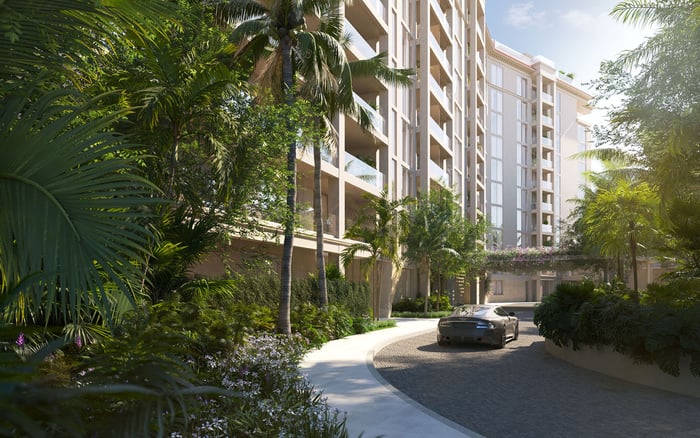
For long-term owners at The Residences at Six Fisher Island, digital discretion deserves written assurances. The essential questions concern access permissions, record retention, vendor accountability and the preservation of evidence without unnecessary exposure of resident information.
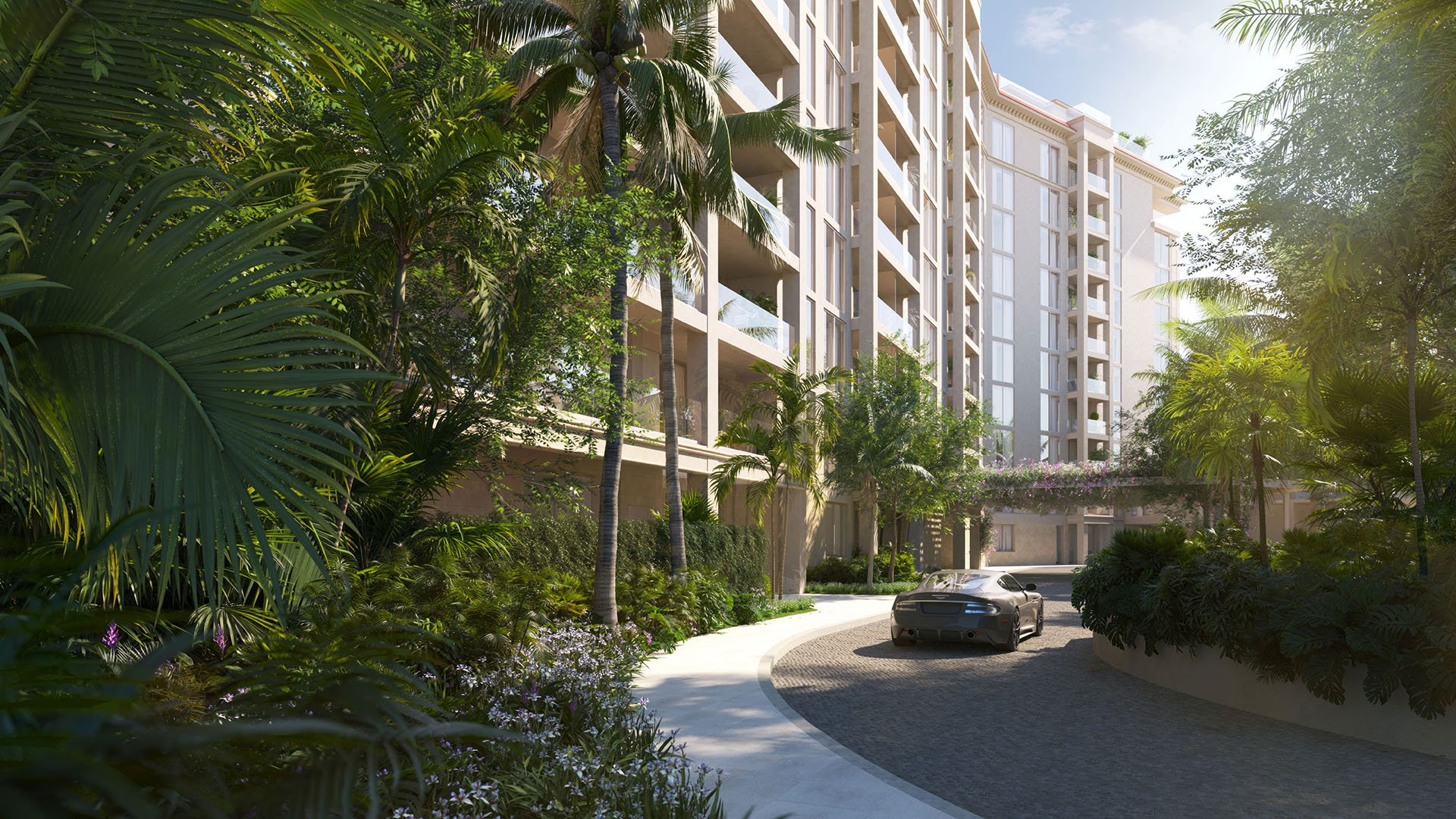
At The Residences at Six Fisher Island, marketed as 50 bespoke residences on Fisher Island, Miami Beach, long-term ownership raises a particular question: how will the information surrounding daily life be protected?
The answer deserves attention alongside the residence itself. An owner's arrivals, visitors and service arrangements call for scrutiny of digital discretion, not simply physical entry. The standard should be clear: what information is collected, who can use it and when it is deleted.
Building-specific cybersecurity architecture, access-control vendors and resident-data governance policies remain publicly unspecified. That does not mean safeguards are absent, nor does it establish any breach, access-control compromise or investigation. Buyers should seek written, building-specific answers rather than infer technical protections from the address or service proposition.
Begin with a data inventory. Ask management which records the building will create and which parties will hold them. Distinguish surveillance footage from access events, guest registrations, delivery records, resident identity information, vehicle information, amenity bookings and concierge communications. These are categories to investigate, not confirmed systems at Six Fisher Island.
It also remains publicly unspecified whether credentials will involve physical keys, proximity cards, mobile access, biometrics, license-plate recognition or a combination. Ask which methods are intended, what information each requires and whether residents have alternatives.
For buyers also considering Palazzo del Sol, the useful comparison is documentary: request the same information categories from each property. One property's technology or privacy policy is not evidence of another's arrangements. An island address does not establish who controls a particular building's records.
Knowing that information exists is only the beginning. The more consequential question is who may retrieve it. Request a written permissions structure that distinguishes management, concierge personnel, security staff, board members and outside vendors, where applicable.
Ask whether permissions differ for viewing live video, searching historical events, downloading footage and exporting resident information. Confirm whether administrator actions are logged, shared accounts are prohibited and permissions are reviewed periodically. These are diligence questions, not descriptions of Six Fisher Island's configuration.
The objective is accountable access, not unrestricted owner access. Florida condominium-records rules restrict disclosure of certain owner information, including Social Security numbers, driver-license information and some personal contact information. Surveillance footage may also implicate official-record inspection rights, subject to exemptions and privacy restrictions. Have Florida counsel confirm current rules before assuming ownership entitles someone to another resident's movements or an unredacted export.
An assurance that records are kept securely does not explain how long they remain available. No building-specific public retention schedule is established for Six Fisher Island.
Request separate periods for routine video, access logs, guest and delivery records, resident identity data, vehicle data, amenity bookings and concierge communications. Incident evidence should have its own preservation procedure. For each category, ask when the retention clock starts, who may extend it and how deletion applies to vendor-held copies and backups.
Do not treat 30 days as a universal answer. Florida Statutes §768.0706 specifies footage retrievable for at least 30 days for certain entry-and-exit camera systems. It does not establish Six Fisher Island's actual retention policy or a single rule for every private condominium recording. Florida counsel should assess applicability.
For an owner comparing Palazzo della Luna, the same discipline applies: evaluate each property's written schedule independently, without assuming identical systems or obligations.
Owners who spend only part of the year in residence should ask how access permissions change as household arrangements evolve. Focus on former residents, employees and contractors: who authorizes their credentials, who revokes them and how quickly does revocation take effect?
Ending access and deleting its history are separate decisions. A disabled credential may still have associated historical records. Ask how those records are retained, when they are deleted and whether an incident-preservation obligation changes the ordinary schedule.
Request an offboarding procedure covering both physical credentials and digital accounts, where used, and identify who is responsible for confirming completion. The aim is continuity over years of ownership. The process should remain understandable as household personnel, building employees and service providers change, rather than depend on an informal instruction to one familiar staff member.
Common-area security and resident privacy are not mutually exclusive. In Florida community associations, video surveillance is generally permissible in common areas where people lack a reasonable expectation of privacy, including community-pool areas. Bathrooms, changing rooms and comparable private spaces should not be treated as permissible common-area surveillance locations.
Ask for a plain-language explanation of camera coverage, the purpose of monitoring and the process for addressing a privacy concern. Those questions should be answered without assuming any particular camera placement at Six Fisher Island.
If an incident occurs, act promptly: routine overwriting can erase relevant footage. Submit a written preservation request identifying the date, time window, location and relevant entry points. Preservation is distinct from disclosure. Retaining evidence does not itself resolve who may inspect it or receive a copy.
A useful diligence package should address vendor responsibilities, incident-response procedures, backup practices, cybersecurity assessments and relevant insurance requirements. Ask who receives an incident notification, who coordinates the response and how responsibilities are divided among the association, management and technology providers.
Florida Information Protection Act security and breach-notification requirements may apply when electronic footage or associated records contain personal information covered by the statute. Florida counsel should assess applicability; it should not be assumed merely because a camera or access log exists.
For long-term ownership, ask how policies are reviewed and how residents learn about material changes. Where an arrangement is proposed rather than adopted, request a clear statement of its status. Written answers should distinguish current commitments from matters still awaiting a decision.
The strongest ownership question is not whether a building promises discretion, but whether responsibility for it is documented across collection, access, retention, deletion and incident response. At Six Fisher Island, that is the standard buyers should bring to the conversation.
For a discreet conversation about South Florida ownership and property selection, connect with MILLION.
If branded residences are on your mind — as a home or as an allocation — we would be glad to share what we are seeing, privately.
Begin a quiet conversationThe development is marketed as 50 bespoke residences on Fisher Island, Miami Beach.
The available public project information does not specify building cybersecurity architecture, access-control vendors or resident-data governance policies. This does not mean safeguards are absent.
The publicly disclosed information does not establish which credential methods are used. Buyers should request written confirmation of the intended methods and associated data collection.
Request separate periods for video, access logs, guest and delivery records, resident identity data, vehicle data, amenity bookings and concierge communications. Incident evidence should have a distinct preservation procedure.
No universal period is established by the guidance discussed here. Florida Statutes §768.0706 specifies at least 30 days of retrievability for certain entry-and-exit camera systems, but does not establish Six Fisher Island's policy.
Unrestricted access should not be assumed. Footage may implicate official-record inspection rights, subject to applicable exemptions and privacy restrictions that Florida counsel should confirm.
Promptly submit a written preservation request identifying the date, time window, location and relevant entry points. Routine overwriting can otherwise erase evidence.
Ask how quickly credentials are revoked and who confirms completion. Separately establish when associated historical data is deleted and whether preservation obligations apply.
Request documentation addressing vendor responsibilities, incident-response procedures, backup practices, cybersecurity assessments and relevant insurance requirements.
Florida Information Protection Act requirements may apply when electronic footage or associated records contain personal information covered by the statute. Florida counsel should assess applicability to the particular records and circumstances.