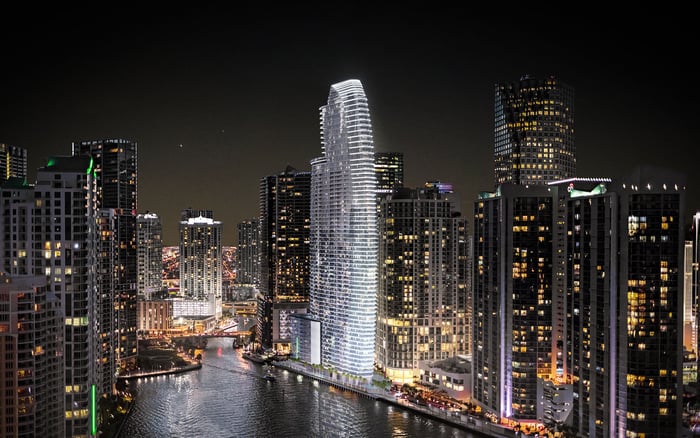
For a Geneva owner buying a second home in Downtown Miami, the decisive work begins before an offer: separating expected sale proceeds from available liquidity, confirming financing, and coordinating proof of funds with the purchase and condominium approval calendars.
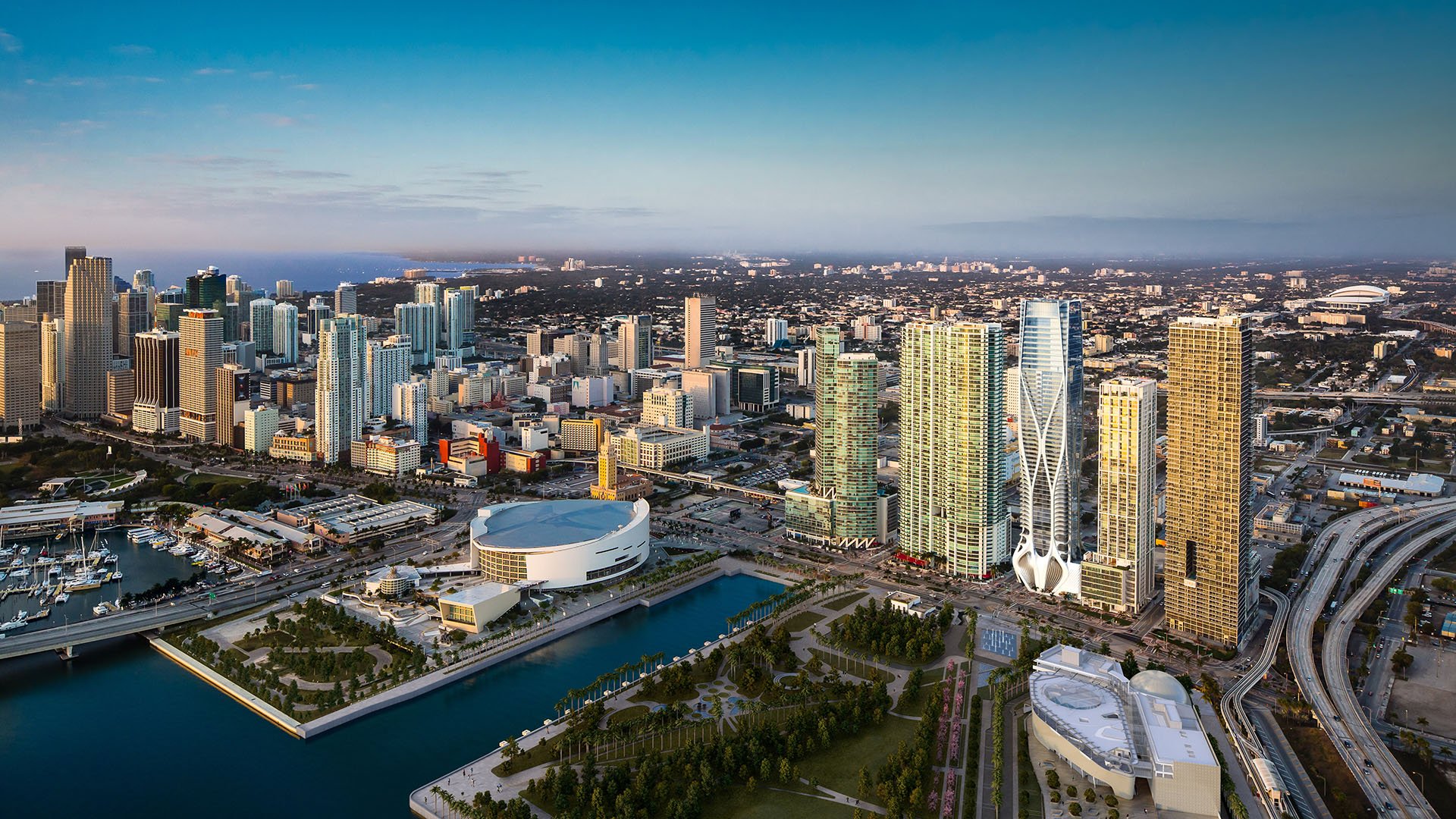
A second home in Downtown Miami may begin as a lifestyle decision, but a purchase tied to a Geneva property sale is ultimately a sequencing exercise. The essential question is not simply what the Swiss residence might sell for. It is which funds will be available, documented, and usable when the Miami purchase requires them.
For a buyer considering Aston Martin Residences Downtown Miami, financial preparation should precede the offer. A planned Geneva sale, a completed sale, and funds already available for closing represent three distinct positions. Treating them as interchangeable can leave an otherwise compelling purchase dependent on an unconfirmed event.
The most controlled approach is to choose the funding sequence first, then align the property search and contractual commitments with it.
Selling first clarifies the Miami funding picture. Once the Geneva sale is complete, a certified closing statement can help document the origin of the proceeds. Current bank evidence should separately establish the liquidity available for the purchase. Sale documentation explains where funds came from; it does not replace confirmation of what is available now.
Buying first preserves flexibility in the property search but requires an independent funding route. That might be existing liquid assets, a mortgage, or bridge financing specifically approved for the circumstances. An expected sale price is not a funding commitment.
For either sequence, prepare a funds schedule that distinguishes available cash, expected sale proceeds, and proposed borrowing. Ask the professionals handling both transactions to identify which amounts are confirmed and which remain conditional. The Miami commitment should reflect those distinctions, not the most optimistic version of the Geneva timetable.
Cash buyers should prepare a current bank or wealth-manager proof-of-funds letter before submitting Miami offers. Recent bank statements showing liquid funds or a bank letter on official letterhead can also serve as evidence, subject to the recipient's requirements. Financed buyers should obtain written lender pre-qualification or pre-approval.
A useful planning standard is documentation dated within approximately 30 days that identifies the account owner, financial institution, and available balance. This is a preparation benchmark, not a universal contractual rule. Confirm the format and freshness required for the particular transaction.
Whether the shortlist includes One Thousand Museum Downtown Miami or another residence, distinguish offer-stage evidence from the documentation needed later. If the Geneva sale closes after the initial letter is issued, refresh the liquidity evidence and retain the completed-sale statement. Documentation prepared before a material change in funds may no longer reflect the buyer's actual position.
For buyers using foreign-national financing, preparation can take longer than the property decision. Mortgage pre-approval may take two to six weeks while the lender verifies overseas income, assets, bank references, and credit information. Begin that review before expecting an offer to move directly toward closing.
Some foreign-national programs require down payments of 30% to 50%. Documentation can include a passport, proof of funds, income certification, and bank references. These parameters depend on the program; they are not terms every buyer should expect or assume will be offered.
The practical objective is a written understanding of the proposed financing, required cash contribution, and outstanding conditions. Do not equate pre-approval with funds already available. Keep the financing review separate from the Geneva sale forecast, then identify precisely where the two depend on each other. That distinction makes the purchase timetable easier to assess.
Bridge financing can fund a purchase before an existing property sells, with sale proceeds subsequently used to repay the loan. Some structures involve a second mortgage against the existing home, advancing a percentage of its value until sale.
For a Geneva owner, however, the decisive question precedes any discussion of rates: will the proposed lender accept the intended collateral? General Florida bridge-loan structures do not establish that a Florida lender will lend against a Geneva property. Obtain specific confirmation rather than assuming a domestic product works across borders.
Usable proceeds are not the same as gross equity. Existing liens, property value, liquidity, and lender leverage limits affect borrowing capacity. Ask for the expected net amount available for the Miami purchase, along with funding conditions and repayment terms.
A shortlist that includes Casa Bella by B&B Italia Downtown Miami should remain separate from this credit decision. Interest in a residence does not establish bridge eligibility or a funding date.
Some Florida bridge loans may fund in roughly one to two weeks, but property and documentation requirements can delay closing. Treat that range as a possibility to confirm, not a promise on which to base an unconditional purchase commitment.
The Geneva sale also warrants a slower-case scenario. A delay can increase bridge interest and overlapping ownership costs. Assess total cost and repayment timing alongside the headline rate, and ask how the proposed arrangement would accommodate a later-than-expected sale.
Miami closing ranges provide context, not deadlines. Cash purchases may close in approximately 15 to 45 days, with a narrower planning estimate of 21 to 30 days also used. Standard financed purchases may take 30 to 45 days; foreign-national financed purchases may take 45 to 60 days. Inspections, documentation, and other closing requirements influence the actual schedule.
Where condominium approval is required, allow for a potential additional two to six weeks. Applications may call for proof of funds or pre-approval, background and credit authorizations, asset or employment verification, and references. A cash purchase does not eliminate these possible requirements.
When evaluating Waldorf Astoria Residences Downtown Miami, ask for the requirements applicable to the specific transaction rather than applying a general Miami estimate to the building. The same discipline applies to every condominium review.
Coordinate the lender, purchase, and association calendars, but do not simply add every estimated range together. Ask which reviews can run concurrently and which depend on an earlier step. Confirm the transaction's actual schedule before relying on it.
Geneva sale taxes, Swiss mortgage-release procedures, and CHF/USD settlement timing require separate professional confirmation. So does the availability of any specific cross-border bridge product. Resolve these as transaction questions rather than filling the gaps with assumptions from general Miami guidance.
Before committing, reconcile the available balance, documented funding conditions, sale dependencies, and approval timetable. The goal is not maximum speed. It is a purchase that remains executable if the Geneva sale or Miami approvals take longer than hoped.
For a considered second-home search in Downtown Miami, explore the residential collection with MILLION.
If branded residences are on your mind — as a home or as an allocation — we would be glad to share what we are seeing, privately.
Begin a quiet conversationSelling first clarifies available proceeds, while buying first requires an independent funding route. Choose the sequence based on confirmed liquidity and financing, not only the expected sale price.
Prepare a current bank or wealth-manager proof-of-funds letter. Recent bank statements showing liquid funds or an official bank letter may also be acceptable, subject to transaction requirements.
Approximately 30 days is a useful preparation benchmark, not a universal rule. Confirm the recipient's requirements and refresh the evidence when funds materially change.
A certified statement from a completed sale can help document the origin of proceeds. Separately confirm the liquid balance available for the Miami purchase.
It may take two to six weeks while overseas income, assets, bank references, and credit information are verified. Begin the review before relying on financing for an offer.
Some programs require 30% to 50% down payments. The actual requirement depends on the program and must be confirmed with the lender.
General Florida bridge structures do not establish acceptance of Geneva collateral. Obtain specific lender confirmation before relying on that funding route.
No. Existing liens, property value, liquidity, and lender leverage limits affect borrowing capacity and the proceeds available for the purchase.
Cash purchases may take approximately 15 to 45 days, while foreign-national financed purchases may take 45 to 60 days. These are planning ranges, not guaranteed deadlines.
Yes, where approval is required, it can be a separate closing bottleneck. Allow for a potential additional two to six weeks and confirm the specific transaction's requirements.