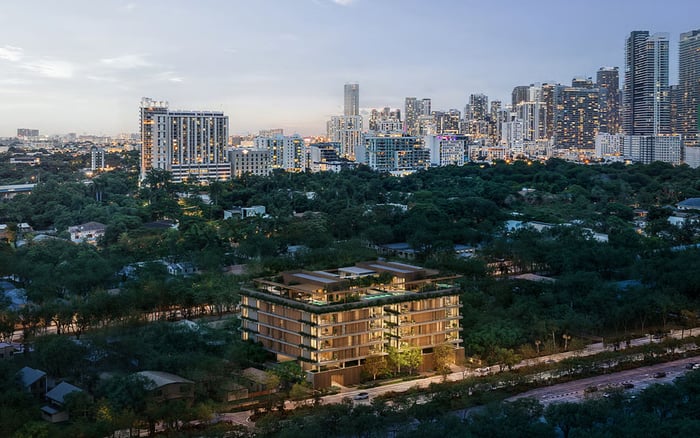
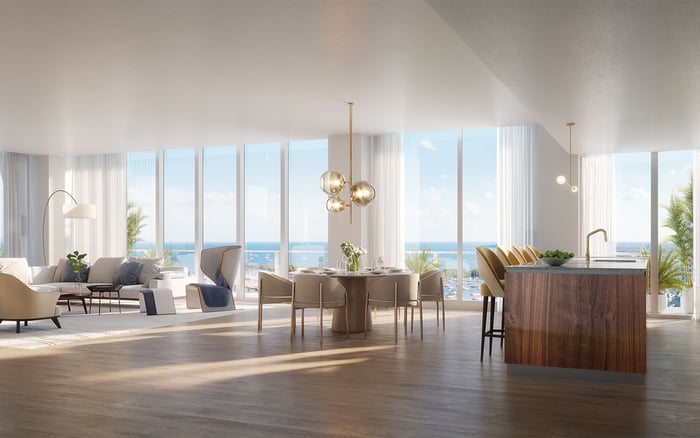
A discreet first-year budgeting framework for an Abu Dhabi household relocating to Key Biscayne, separating recurring ownership obligations, optional services, coastal insurance, proposed taxes and furnishing commitments.
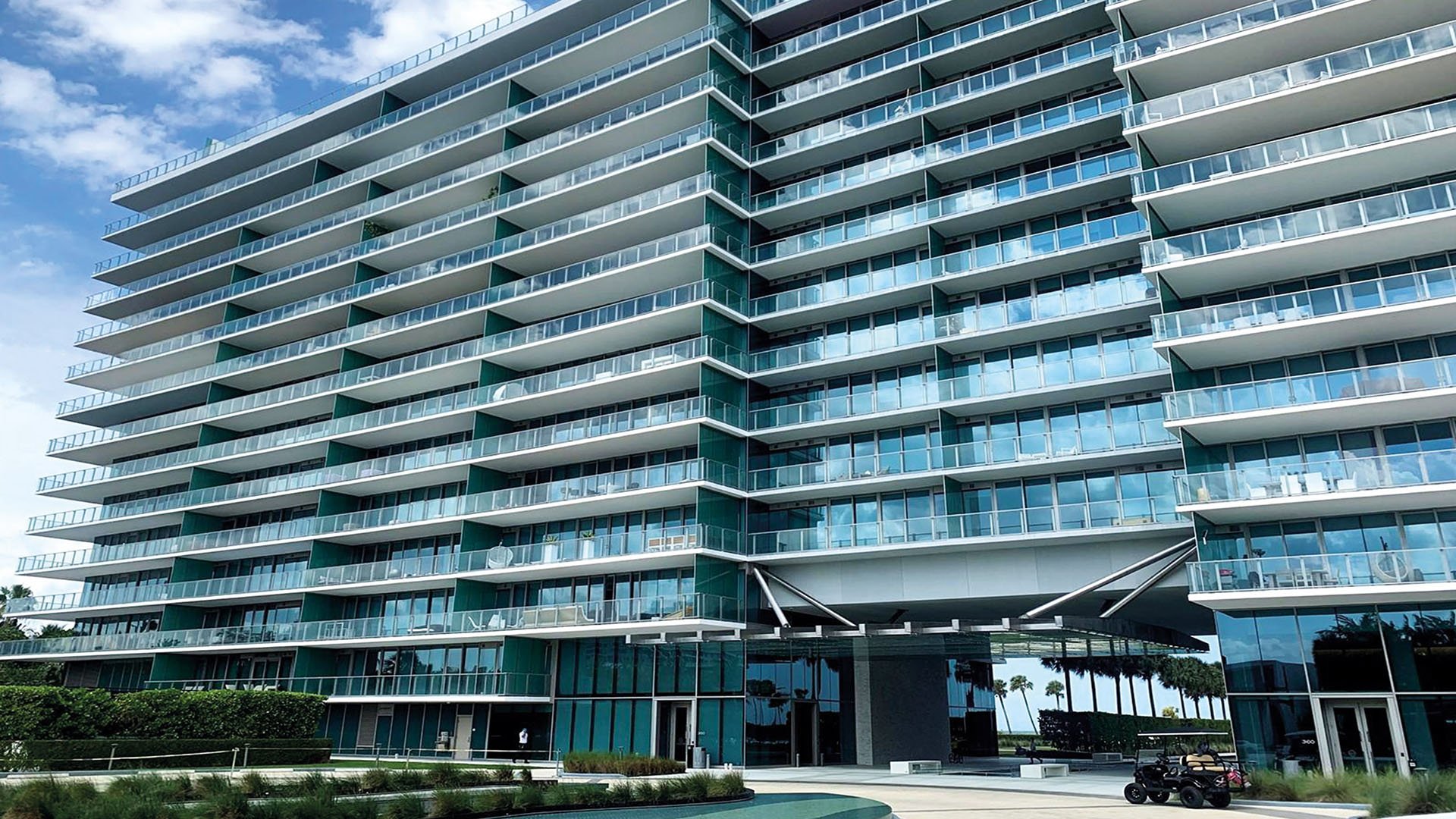
For a household rebasing from Abu Dhabi to Key Biscayne, the first-year ownership budget should answer two questions: what will the residence cost to operate, and when must cash be available? A single monthly allowance can obscure the difference between recurring obligations and the concentrated spending needed to prepare a home for arrival.
A more useful approach is a twelve-month payment calendar supported by property-specific documents. Separate mortgage payments, if applicable, association dues, taxes, insurance and maintenance from optional services and furnishing. Then distinguish confirmed commitments from estimates. The aim is not to diminish the pleasure of arrival, but to ensure the residence supports the household's preferred way of living without financial surprises.
Decide whether the property will be a permanent residence, a second home or an investment. Florida homestead eligibility depends on qualifying ownership and permanent-residence use. A purchase alone does not establish eligibility, nor does a relocation plan confirm tax benefits.
For a second-home purchase, build the initial budget without assuming permanent-residence homestead benefits. If the intended use changes, ask the relevant advisers to reassess eligibility before revising the model. Keep the household's residency planning separate from the property's operating budget until those assumptions are confirmed.
This discipline applies whether the shortlist centers on Oceana Key Biscayne or another residence. The building name is a starting point for selection, not a substitute for unit-specific dues, insurance review and tax estimates.
Condominium association dues are paid separately from the mortgage. Give them a dedicated cash-flow line rather than folding them into financing costs or treating them as an allowance for every building-related expense.
Before committing, request the current amount payable for the exact residence, the payment frequency and a written explanation of included services. Ask which charges are mandatory, which are elective and whether any separately payable obligations have been disclosed. These are diligence questions, not assumptions that a particular building imposes additional charges.
Classify every quoted item consistently:
Required recurring: a confirmed obligation with a known payment schedule.
Optional recurring: a service the household elects to retain.
One-time: an arrival or setup commitment, separately authorized.
Unconfirmed: an estimate awaiting documentation, never presented as a fixed price.
If the search also includes Park Grove Coconut Grove, apply the same framework to that residence. Compare the documented scope of ownership costs, not just the headline dues.
A well-run private household distinguishes convenience from obligation. For each proposed service, request the scope, price, billing frequency and cancellation terms, and check whether it duplicates something already included elsewhere. An amenity's presence does not mean every associated service is included in association dues.
Housekeeping, home oversight or other household support, if desired, should enter the model only on the basis of an actual proposal. Designate who can approve recurring services and who reviews invoices. This is particularly useful when the owner divides time between locations.
The same comparison applies if a Brickell alternative such as Una Residences Brickell enters the search. Evaluate each residence against the same requested service standard without assuming identical inclusions or costs.
A Key Biscayne ownership budget can include homeowners insurance and flood insurance alongside dues, taxes and maintenance. Stress-test wind and flood coverage assumptions rather than relying on the first premium estimate.
Ask an insurance adviser to review the exact property and explain proposed coverage, exclusions, deductibles and payment timing. For a condominium, clarify how association coverage and the owner's proposed policy fit together. Do not assume that one removes the need to evaluate the other.
Record the quoted premium separately from a household-approved contingency. That contingency is a planning choice, not a prediction of a claim or a substitute for coverage. Until terms are confirmed, retain a clearly labeled alternative scenario rather than treating insurance as a settled annual cost.
The proposed 2026 Key Biscayne municipal rate is 3.0066 mills, compared with 2.8846 mills previously. This represents a proposed increase of 0.1220 mills, or 4.23%. It does not confirm the final rate or imply a 4.23% increase in a buyer's total tax bill.
Municipal millage is only one component. County, school-board and other applicable levies also contribute to property taxes. A rough millage-based calculation is taxable value × applicable total millage ÷ 1,000. Multiplying the purchase price by the municipal rate alone is not an adequate ownership estimate.
Use an address-specific tax estimate for the prospective purchase rather than carrying forward the seller's bill. The supplied 2026 estimates use proposed millage rates and should remain labeled provisional.
Assessment protections also require care. Save Our Homes limits assessment increases for qualifying homesteaded property; assessed value is therefore distinct from market value. The 2026 comparison figures identify a 2.70% assessment-increase limitation for homestead property and a 10.00% limitation for non-homestead property. Neither is a cap on the total tax bill. Those assessment limitations do not apply to new construction and should not be used to promise a buyer's future liability.
Furnishing belongs in a dedicated acquisition and installation schedule, not in the recurring operating allowance. Begin with a room-by-room brief that separates arrival essentials from purchases that can wait. Obtain itemized proposals before setting a firm budget.
Ask for proposals that distinguish furniture, design fees, delivery and installation where applicable, with payment milestones and unresolved charges clearly identified. Where furnishings are included in a purchase, confirm the agreed inventory rather than assuming everything visible will remain.
For an Abu Dhabi household, treat the choice between moving existing possessions and furnishing locally as a separate quotation exercise. Do not insert a generic international shipping allowance or assume customs, compatibility or installation costs. Authorize those amounts only when the relevant scope and terms are established.
The final checklist is a cash-flow schedule, not merely a total. Place each confirmed payment in its expected month, keep estimates visibly provisional and distinguish operating reserves from furnishing funds. Where an expense is already funded through a lender payment arrangement, check for double-counting.
Before closing, review the schedule with the advisers responsible for taxes, insurance, association documentation and household setup. Refresh it as final terms arrive. A refined first year begins with a clear understanding of both obligations and choices before the keys change hands.
For a discreet conversation about selecting a residence around your first-year ownership priorities, connect with MILLION.
If branded residences are on your mind — as a home or as an allocation — we would be glad to share what we are seeing, privately.
Begin a quiet conversationSeparate mortgage payments, if applicable, association dues, property taxes, insurance and maintenance from optional services and furnishing. Map each expense to its expected payment month.
Condominium association dues are paid separately from the mortgage. Keep them as a distinct budget line and confirm the amount and payment frequency for the exact residence.
Use written proposals that identify scope, price, billing frequency and cancellation terms. Check whether the proposed service duplicates anything already included in another charge.
The 3.0066-mill figure is a proposed 2026 municipal rate, not confirmation of a final rate or tax bill. Municipal millage is only one component of property taxes.
No. The 4.23% figure describes the proposed municipal rate increase, while a property's total liability also depends on taxable value and other applicable levies.
Use an address-specific estimate for the prospective purchase instead of assuming the seller's liability will carry forward. Estimates using proposed 2026 rates remain provisional.
No. Florida homestead eligibility requires qualifying ownership and permanent-residence use, so a second-home or investment budget should not assume those benefits.
No. The supplied 2026 figures identify an assessment-increase limitation, not a total-tax-bill cap; they also identify a 10.00% non-homestead limitation and exclude new construction from these limitations.
Stress-test coverage assumptions and obtain property-specific advice on premiums, exclusions and deductibles. Keep quoted premiums separate from any household-approved contingency.
Track furnishing and any relocation commitments separately through itemized quotations and payment milestones. Do not assign generic shipping, customs or installation costs without confirmed terms.