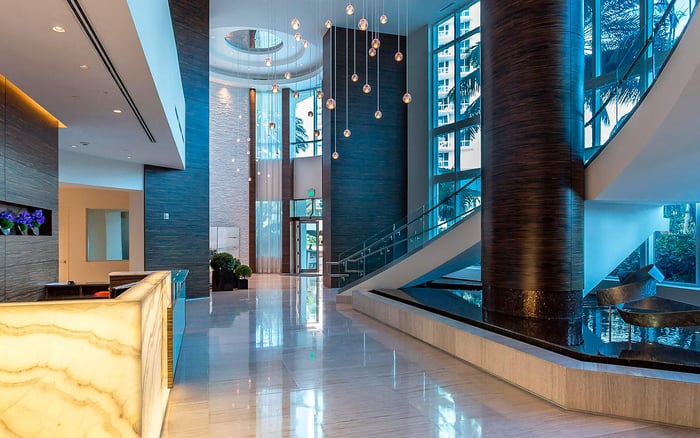
A primary-residence buyer’s guide to protecting a Continuum on South Beach home during travel, with practical humidity targets, remote-monitoring proposals, and clear questions for management and the seller.
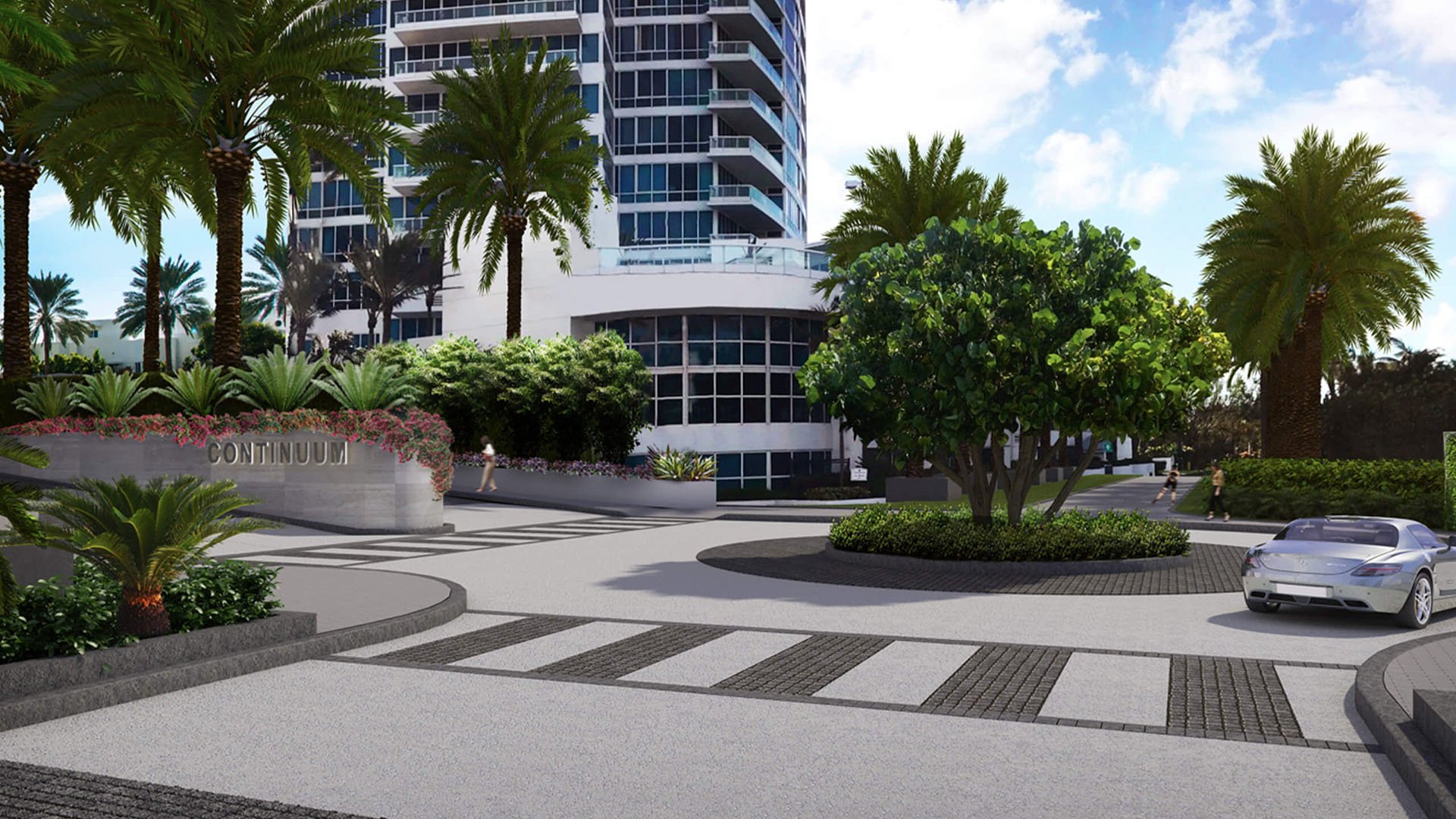
A primary residence should be ready to welcome its owner home, whether the absence lasts a weekend or an extended trip. At Continuum on South Beach, the beachfront condominium community at 100 South Point Drive, Miami Beach, that expectation calls for a practical moisture-control plan alongside the usual considerations of layout and daily comfort.
The essential distinction is between a home that feels cool and one whose moisture is controlled. Temperature alone does not establish indoor relative humidity, and a reassuring thermostat reading does not confirm that concealed materials are dry. A buyer’s review should therefore focus on the individual residence: its equipment, maintenance history, monitoring arrangements, and access while the owner is away.
This is a framework for evaluating ownership, not a finding of a mold problem at Continuum. Building-specific requirements and unit-specific conditions should be established before relying on any vacancy routine.
Moisture control is central to mold prevention. Monitoring helps identify a change, but it cannot repair a plumbing leak, clear a blocked condensate drain, or dry water-damaged materials. An effective plan connects observation to corrective action.
Indoor relative humidity should remain below 60%, ideally within 30-50% where possible. These figures describe general moisture-control guidance, not a verified Continuum mandate. Condensation on windows, walls, or pipes also warrants prompt attention, even when a room-level sensor appears reassuring.
For purchasers also considering Apogee South Beach, the same questions belong in the comparison. Rather than assuming comparable vacancy protection, ask what each candidate residence can maintain, how that performance is measured, and who responds when conditions change. The useful comparison is operational, not aesthetic.
A proposed operating target of 45-50% relative humidity provides a practical starting point for discussion with the professional responsible for the residence’s HVAC. It falls within the preferred general range and gives the owner a clear metric to track. It is neither a guarantee against mold nor an established building rule.
A proposed alert structure calls for a warning when RH remains above 55% for several hours, with urgent investigation at 60% or higher. These are suggested owner protocols, not official alarm specifications. The warning duration should be agreed for the individual residence, not copied indiscriminately.
No universal vacancy temperature should be treated as building-approved. Select the thermostat setting after reviewing the unit’s HVAC design and measured humidity performance. Air-conditioning can reduce indoor moisture, but a temperature setting alone does not demonstrate adequate moisture control.
Keep humidity-control equipment enabled during an absence. That means available to operate as needed, not cooling continuously. Where measured conditions require additional control, discuss dehumidification with a qualified professional and confirm installation permissions with management. Do not assume dedicated dehumidification is already present.
A proposed monitoring setup combines networked temperature and RH sensors, leak sensors, historical readings, and notifications for power or connectivity loss. Measuring both temperature and humidity provides information a thermostat reading alone cannot. Historical readings can also help an owner and service professional determine whether a change is brief or sustained.
Ask the installer to recommend device locations for the specific floor plan and equipment. Placement and alert duration are design decisions, not verified Continuum requirements. Confirm which installations require approval before purchasing hardware.
An alert must reach someone who can investigate. Designate an authorized local person, document entry arrangements, and agree on who contacts service providers and approves repairs. Do not assume building staff provide private monitoring or in-unit response services.
The same review is useful when weighing Five Park Miami Beach as another candidate residence: ask for the actual access and response arrangements rather than inferring them from the broader ownership experience. Remote visibility is valuable only when someone can act on it.
The buyer’s diligence should include HVAC service records, leak-repair documentation, any remediation records, and relevant insurance records available from the seller. Ask what happened, what was repaired, and whether the work addressed the underlying moisture source. A description of cosmetic restoration is no substitute for that discussion.
HVAC drip pans should be clean, and drain lines should remain unobstructed and flow properly. Have the appropriate professional assess these conditions and explain the maintenance routine needed during absences. Equipment condition matters as much as the settings displayed on a control panel.
Plumbing leaks and other water problems require prompt correction. Water-damaged areas and materials should generally be dried within 24-48 hours to help prevent mold growth. That interval reinforces the need for timely access and professional response; it is not permission to postpone investigating a leak.
Acceptable room RH does not prove that every concealed area is dry. Periodic visual checks and post-incident inspections remain sensible additions to sensor-based oversight.
Before closing, request written guidance from management on vacancy practices, device-installation restrictions, emergency-entry authorization, and storm or outage procedures. Clarify the boundary between association responsibilities and the owner’s private arrangements. Ask who may enter, under what authorization, and how contact information should be maintained.
Agree on a pre-departure routine with the people responsible for the residence. It should confirm that humidity-control equipment is enabled, monitoring is communicating, alerts reach the intended recipients, and entry permissions remain current. Include scheduled visual visits appropriate to the home and the planned absence, without assuming a universal inspection interval.
Do not treat open-window ventilation as a default moisture remedy. When outdoor air is warm and humid, dehumidification is the relevant approach; ventilation with cold, dry outdoor air is a different circumstance. Increasing air movement and reducing indoor humidity can help prevent condensation, but neither replaces correcting water entry or a leak.
For a primary-residence buyer, the strongest ownership plan is one that can be explained clearly: a documented humidity target, maintained equipment, useful monitoring, authorized local access, and a defined response to water or power incidents. These arrangements support continuity without promising that any condominium is immune to moisture problems.
At Continuum, the decision should turn on the evidence and arrangements for the particular home. Establish those details before purchase, then revisit them when equipment, service providers, or travel patterns change. The goal is not simply a reassuring number on a phone, but a residence whose condition is actively protected while its owner is away.
For a considered approach to South Florida primary-residence ownership, explore MILLION.
If branded residences are on your mind — as a home or as an allocation — we would be glad to share what we are seeing, privately.
Begin a quiet conversationContinuum on South Beach is a beachfront condominium community listed at 100 South Point Drive, Miami Beach, Florida.
Control moisture and promptly correct leaks or other water problems. Monitoring can identify a concern, but it cannot fix the underlying cause.
General guidance recommends keeping indoor RH below 60%, ideally within 30–50% where possible. These figures are not a verified Continuum requirement.
No verified building mandate is established here. A 45–50% RH target is a proposed operating range to discuss with the professional responsible for the residence’s HVAC.
A proposed protocol flags RH above 55% for several hours and calls for urgent investigation at 60% or higher. These are suggested owner thresholds, not official building alarm specifications.
No universal building-approved vacancy temperature is established here. Choose a setting based on the residence’s HVAC design and measured humidity performance.
Keep humidity-control equipment enabled and available to operate as needed. That does not mean uninterrupted cooling; settings and runtime should reflect the system and measured RH.
Consider temperature and RH readings, leak alerts, data history, and power or connectivity notifications. Pair the system with an authorized local person who can investigate and arrange repairs.
Water-damaged materials and areas should generally be dried within 24–48 hours to help prevent mold growth. Investigate leaks promptly rather than waiting for that interval to pass.
Request written vacancy, installation, emergency-entry, and storm or outage guidance from management. Ask the seller for HVAC, leak-repair, remediation, and relevant insurance records.