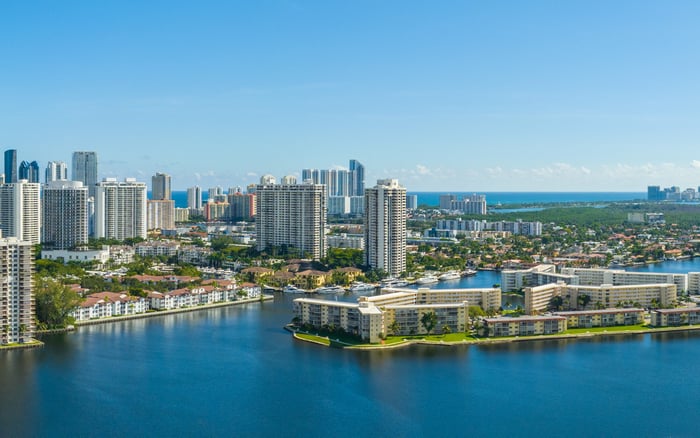
A disciplined framework for assessing developer execution, contract language, completion exposure, and long-term ownership before committing to an Aventura residence.

In Aventura, the most consequential luxury purchase decisions are rarely settled by a rendering, view corridor, or amenity count. They hinge on whether the development team can translate a polished concept into a residence delivered, finished, operated, and maintained to the buyer’s expected standard.
Begin by identifying every meaningful participant. The developer, general contractor, architect, interior designer, sales team, operator, brand partner, and property manager may each influence a distinct part of the outcome. A respected name in one role does not automatically resolve questions about another. The buyer’s attorney should also establish a clear understanding of the ownership entities and project-specific companies.
A project such as Avenia Aventura can provide a natural starting point for an Aventura search, but the residence page is only the beginning. A careful buyer still asks who controls delivery, which promises appear in the contract, and which elements remain conceptual or subject to revision.
A developer’s history is most useful when examined project by project. Request completed buildings comparable in scale, positioning, construction complexity, and intended service level. Then assess what followed the initial sales period. The relevant questions involve execution, consistency, closeout, warranty response, resident experience, and how gracefully the property has matured.
Do not mistake a lengthy résumé for directly relevant experience. A team may have extensive credentials yet limited history with the precise building type under consideration. Conversely, a newer platform may include principals with substantial prior work. The task is to distinguish corporate branding from the experience of the individuals making the decisions.
Broaden the comparison set when useful. One Park Tower by Turnberry North Miami provides a nearby reference point for buyers considering the broader northern Miami market. The purpose is not to declare one project superior without evidence, but to sharpen questions about planning, finish expectations, operating vision, and each residence’s long-term fit.
Luxury sales presentations communicate intent; contracts allocate rights and risk. Buyers should distinguish among verbal assurances, marketing language, preliminary plans, finish schedules, disclosure materials, association documents, and the purchase agreement itself. If an element is essential to the decision, counsel should determine where it is documented and how much flexibility the seller retains.
Pay particular attention to provisions governing design substitutions, dimensions, views, deposits, purchaser defaults, seller extensions, cancellation rights, force-related delays, closing conditions, and remedies. The objective is not to eliminate every variable, which may be impossible. It is to understand which variables the buyer is accepting and whether that exposure is proportionate to the residence.
This scrutiny is particularly important in pre-construction and new-construction purchases, where the finished home cannot always be inspected at signing. A sophisticated buyer creates a written decision file that separates contractual commitments from preferences and expectations. The attorney leads the legal review, while construction, tax, insurance, and financial specialists address their respective disciplines.
“Delivery” can describe several distinct moments: a projected construction milestone, a contractual closing window, physical access, completion of the individual residence, or the point at which the broader ownership experience becomes fully operational. Those moments may not coincide.
Before signing, map the practical consequences of a delay. Consider temporary housing, storage, financing readiness, furnishing lead times, school or travel schedules, and the sale of another property. Buyers planning a second home may have greater calendar flexibility, but they can still face coordination costs and miss seasonal use.
For context beyond Aventura, Bentley Residences Sunny Isles and Turnberry Ocean Club Sunny Isles offer additional ways to frame discussions about branded concepts, completed environments, and ownership priorities in Sunny Isles Beach. Each should be evaluated through its own documents and circumstances, rather than broad assumptions about a location or category.
A careful purchase is more than an acquisition. It is a long-duration ownership decision. Examine the proposed operating model, staffing concept, shared facilities, service expectations, association governance, reserve philosophy, insurance responsibilities, leasing rules, and likely cost of preserving the intended standard.
For an investment-minded buyer, resale and leasing considerations matter, but they should not eclipse usability. Floor-plan efficiency, privacy, elevator experience, parking, storage, arrival sequence, exposure, acoustics, and service circulation can shape daily satisfaction long after the launch materials have disappeared.
Disciplined buyer’s guides should lead from aspiration to verification. Build a closing-readiness checklist, retain independent advisers, maintain liquidity for contingencies, and revisit the decision whenever material documents change. The goal is not suspicion, but informed confidence grounded in a clear understanding of what is fixed, what may move, and what the buyer can control.
What is the first question to ask about an Aventura developer? Ask which comparable projects the same decision-makers have completed and how those properties performed after closing.
Does a prominent brand remove delivery risk? No. Branding may shape positioning or service expectations, but buyers must still examine the responsible entities and contractual obligations.
Which documents deserve the closest review? The purchase agreement, disclosure materials, plans, specifications, association documents, and amendments should be reviewed with qualified counsel.
Should verbal sales statements influence a purchase? They may prompt further questions, but any essential promise should be located in the controlling documents and evaluated by counsel.
How should buyers interpret a projected completion date? Treat it as one part of the schedule analysis, then compare it with contractual timing, extension rights, and personal contingency plans.
What makes a prior project genuinely comparable? Similarity in scale, complexity, market position, service model, and responsible team makes the comparison more informative.
Why review operations before the building opens? The operating vision can affect service, privacy, convenience, carrying costs, and the residence’s long-term character.
How can a buyer prepare for construction delay? Preserve flexibility in housing, financing, furnishings, travel, and the timing of any related property sale.
Is the most expensive finish package always the safest choice? No. Value depends on documented specifications, execution quality, maintainability, and alignment with the buyer’s intended use.
When should independent advisers become involved? Ideally, before meaningful commitments are made, allowing legal, financial, construction, tax, and insurance questions to inform the decision.
To compare the best-fit options with clarity, connect with MILLION.
If branded residences are on your mind — as a home or as an allocation — we would be glad to share what we are seeing, privately.
Begin a quiet conversation