For buyers making Aventura their permanent home, the most persuasive domicile record is not a deed alone but a coordinated file of ownership, identity, tax, financial, and household evidence. This guide also addresses homestead timing, post-closing tax exposure, trust ownership, and condominium diligence.
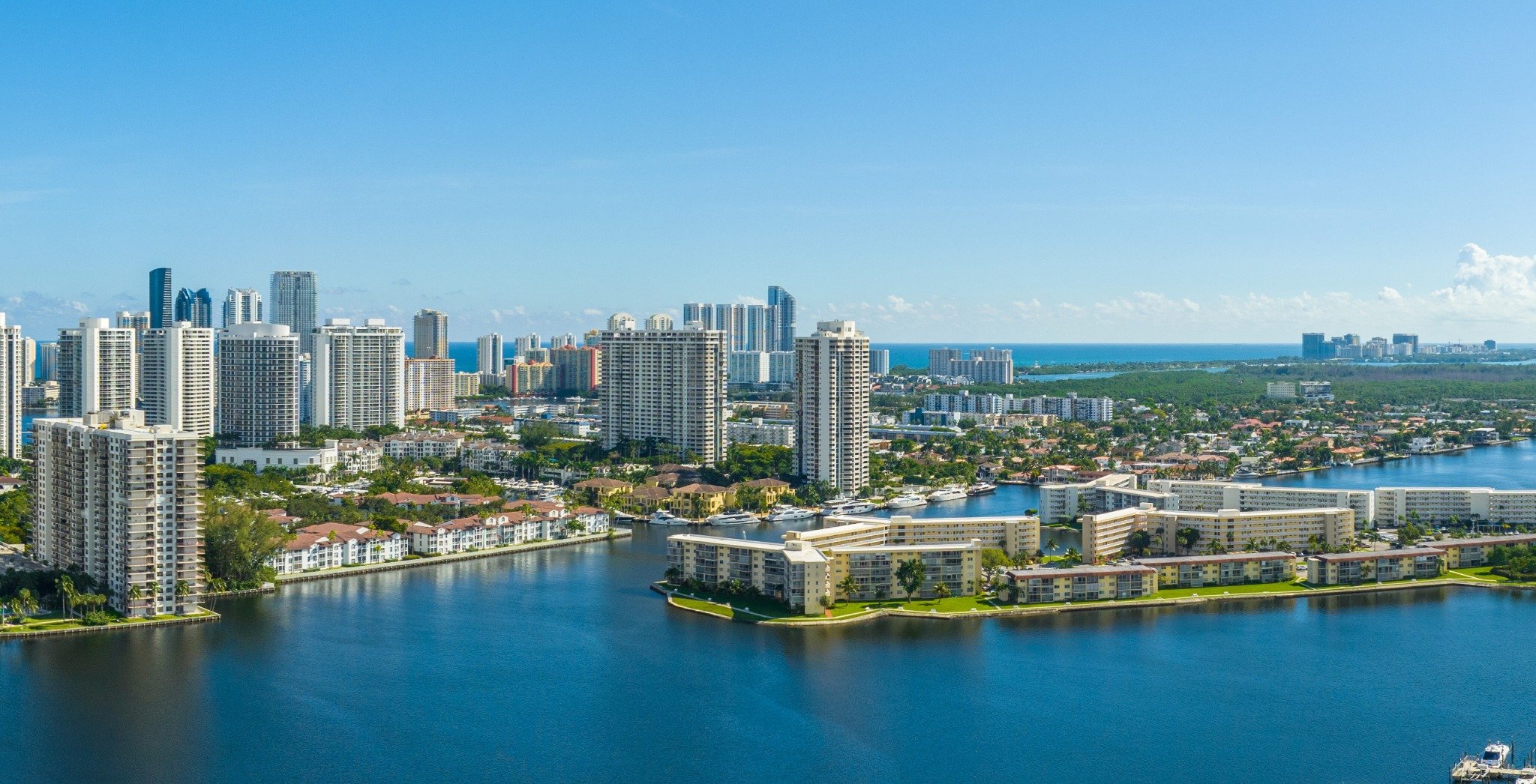
For an affluent buyer establishing a permanent home in Aventura, the recorded deed is foundational, but not conclusive. Florida domicile rests on a consistent pattern of physical residence and permanent-home intent. The goal is a record in which official identification, tax filings, financial accounts, household activity, and ownership documents all point to the same Florida home.
That distinction applies whether the residence is a conventional resale condominium, a new home at Avenia Aventura, or another Aventura property. A polished closing binder proves an acquisition. A domicile file demonstrates that the buyer has made Florida the center of residential life.
Second-home ownership demands particular care. A buyer may spend meaningful time in Florida without establishing domicile, especially when licenses, voter records, tax returns, utilities, and principal mailing addresses remain tied to another state. Consistency carries more weight than any isolated form.
Begin with Florida identification. Preserve a copy of the buyer's Florida driver license or identification card, evidence that an out-of-state license was surrendered when applicable, Florida vehicle registration, voter registration, and documentation showing when the former residency ended. A sworn declaration of domicile may also be filed with the circuit court clerk in the county of residence.
Next, align the records generated by daily life. Review for consistency the Florida address used on federal income tax returns, employment files, bank and financial-account statements, utility bills, insurance correspondence, and regular mail. For families, dependent children's school records may provide further residential evidence.
This is more than administrative housekeeping. It creates a coherent chronology of intent. Buyers should retain dated confirmations of address changes rather than rely on current online profiles, which may not preserve when an update occurred. Couples and families should also examine whether their records tell the same story.
For buyers comparing Aventura with nearby waterfront options such as Bentley Residences Sunny Isles, lifestyle preferences should be considered separately from domicile. The legal and administrative record must ultimately identify the residence intended as the permanent home.
The ownership file should include the recorded deed, closing statement, title policy, and related title records. Additional ownership documents may be requested during homestead review, so buyers should retain complete executed and recorded versions rather than abbreviated closing summaries.
Trust ownership requires an additional layer. Keep the trust agreement, relevant amendments, deeds, and associated title documents together, as further proof of ownership may be needed. Discuss the intended title structure with the buyer's legal and tax advisers before closing rather than reconstructing it as a filing deadline approaches.
Non-U.S. citizens may also be asked for proof of permanent residency, such as an Alien Registration Card, when applying for homestead benefits. Immigration, title, domicile, and homestead questions overlap, but they are not interchangeable. Each requires its own supporting documents.
Property-tax and homestead matters in Aventura are handled by the Miami-Dade County Property Appraiser. Eligible owners may apply online for homestead and other qualifying exemptions. The original homestead filing deadline is March 1, and buyers should never assume the benefit transfers automatically with the property.
A qualifying primary residence may receive a homestead exemption of up to $50,000, subject to how its components apply to different tax levies. Beginning in the second year a property receives the homestead exemption, annual assessed-value growth is generally limited to 3 percent or CPI, whichever is lower, excluding new construction and other qualifying changes.
The most consequential budgeting issue often emerges after closing. A buyer who acquires a home after January 1 may see the seller's homestead exemption and assessment limitation reflected for that tax year. Those benefits are removed the following year unless the new owner independently qualifies and files. The current bill may therefore understate the buyer's future obligation.
For an investment committee evaluating Aventura alongside Turnberry Ocean Club Sunny Isles, underwriting should present the acquisition year and the following year separately. This avoids treating a seller-specific tax profile as a durable operating assumption.
Domicile planning does not replace condominium due diligence. After entering a Florida condominium contract, a prospective buyer is entitled to current core association materials at the seller's expense, including the declaration, articles, bylaws, rules, annual financial statement, annual budget, and FAQ document.
The contract process can also be used to request board and membership minutes, insurance declaration pages, milestone-inspection reports, structural integrity reserve studies, and other association records. Before contingencies expire, the buyer's file should address reserve funding, pending or approved special assessments, insurance coverage and deductibles, inspection findings, repair obligations, and disclosed litigation.
Request the association estoppel certificate and lender questionnaire early. These documents can reveal assessments, unit-account balances, and project-management or financing concerns. A physical inspection addresses the residence itself; association review evaluates the shared financial and structural environment. Both belong in a disciplined buyer's guide, but neither proves Florida domicile.
Within the first weeks after closing, organize four digital folders: title and ownership, domicile evidence, homestead and tax, and condominium records. Use clear dates, preserve filed versions, and retain confirmations for every material address change. Calendar March 1 well in advance.
The strongest file is cumulative. It should show the Florida home appearing consistently across government identification, vehicles, voting, taxes, banking, utilities, insurance, household mail, and any applicable trust or immigration records. Review the file with qualified legal and tax advisers in light of personal circumstances and any continuing ties outside Florida.
Does buying an Aventura residence establish Florida domicile? No. Ownership supports the record, but domicile requires a consistent pattern of residence and permanent-home intent.
Which identification records should a buyer retain? Keep the Florida license or ID, applicable proof of surrendering an out-of-state license, vehicle registration, and voter registration.
Is a declaration of domicile required? It is a formal way to evidence domicile, but the broader pattern of facts remains important.
What household records can support Florida residency? Utility bills, mail, employment records, bank statements, tax-return addresses, and dependent children's school records may help.
What should a trust owner preserve? Retain the trust agreement, amendments, deed, closing statement, and related title documents.
When is Miami-Dade's original homestead filing deadline? The original deadline is March 1, so buyers should calendar it rather than assume a transfer.
How much is the Florida homestead exemption? A qualifying primary residence may receive up to $50,000, subject to its application across different property-tax levies.
Why should buyers model two tax years? The seller's exemption and assessment limitation may suppress the acquisition-year bill but disappear the following year.
Which condominium records deserve early review? Review governing documents, budgets, financials, minutes, insurance, inspection reports, reserve studies, assessments, and disclosed litigation.
Are domicile and condominium diligence the same process? No. Domicile concerns permanent-home intent, while condominium diligence concerns the unit, association, building, and shared obligations.
When you're ready to tour or underwrite the options, connect with MILLION.
If branded residences are on your mind — as a home or as an allocation — we would be glad to share what we are seeing, privately.
Begin a quiet conversation