For a buyer at The Estates at Acqualina, polished interiors are only the beginning. A disciplined review should connect litigation allegations, repair records, envelope testing and independent engineering to the exact residence, elevation and common elements under consideration.
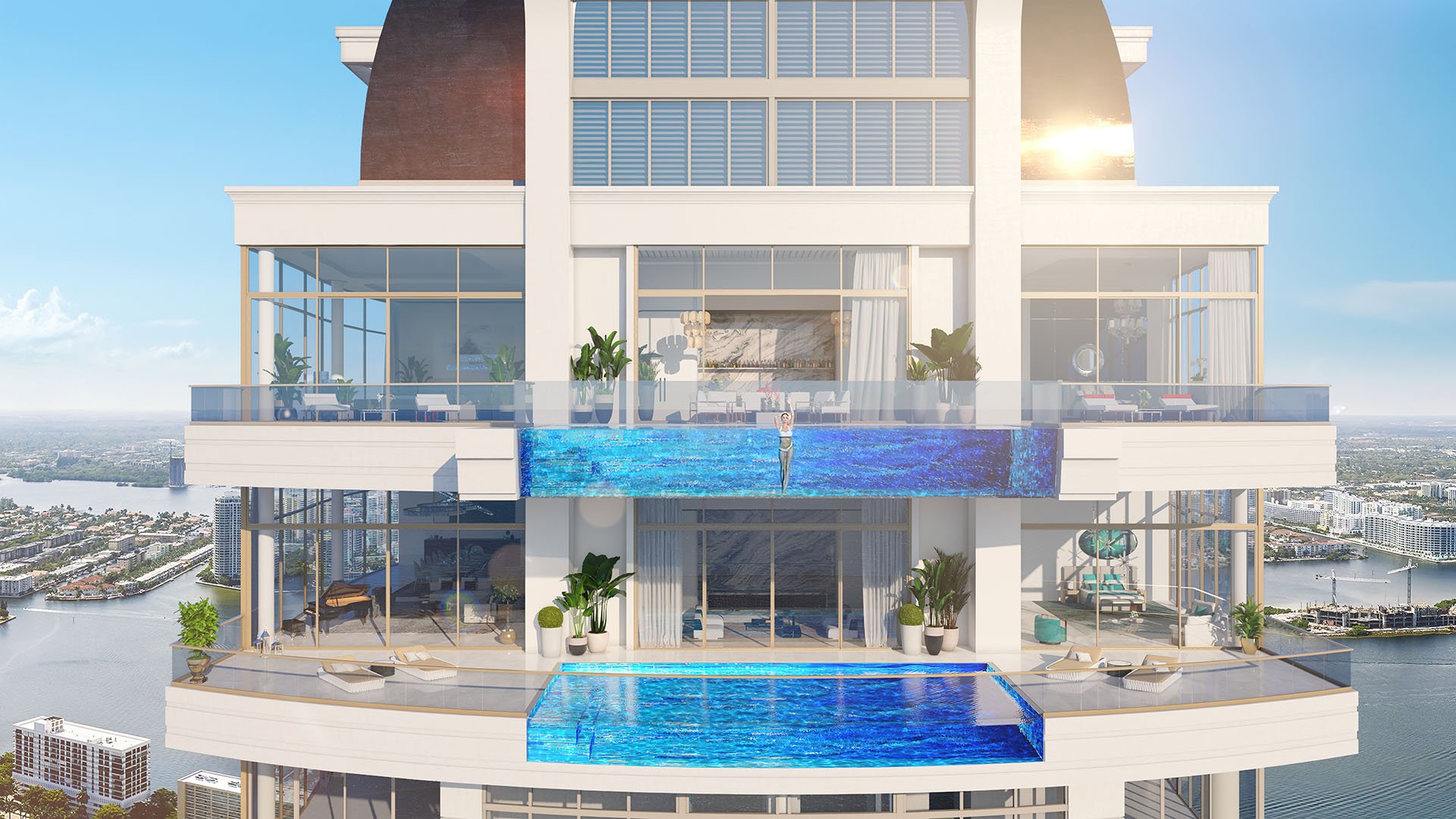
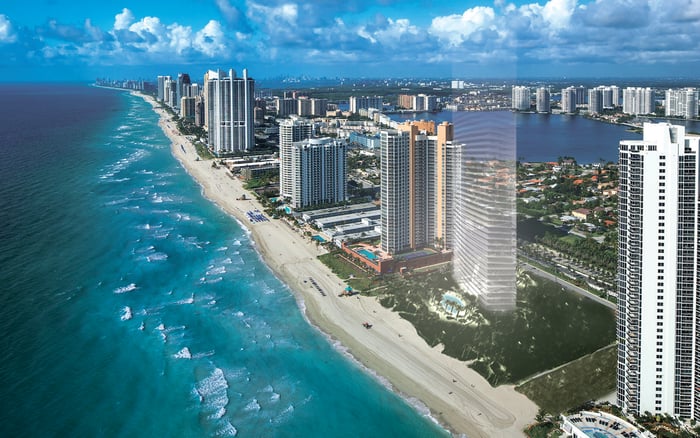
At 17901 Collins Avenue, The Estates at Acqualina Sunny Isles is an oceanfront, two-tower luxury condominium development in Sunny Isles Beach. Its scale, coastal exposure and complex exterior assemblies make the building envelope an essential part of acquisition diligence, particularly for a resale purchaser evaluating completed work rather than plans and specifications.
The inquiry is not whether a residence looks pristine on the day of inspection. Hidden water can migrate through roofs, wall cavities, vertical chases and concealed transitions before an interior stain becomes visible. A clean ceiling and newly painted wall are reassuring, but neither can independently rule out an intermittent leak, a repaired condition or moisture entering from an adjacent common element.
The decisive question is not whether testing occurred, but what was tested, repaired and successfully retested.
This review belongs in any sophisticated buyer’s guide to coastal ownership. It should connect the selected unit to its tower, floor, elevation, window and door openings, terrace interfaces, neighboring common elements and any history associated with the same vertical stack.
The developer fired general contractor Suffolk Construction in 2023 after more than a year of litigation involving delays, payments, workforce issues and work quality. That dispute makes quality-control files, punch lists and corrective-work records material to a purchaser. It does not, by itself, establish that The Estates has a water-intrusion problem or systemic envelope defect.
Separate buyer lawsuits have alleged construction defects, delayed amenities and disruptions affecting use or sale. A February 2026 court filing by buyer Ruben Salama alleged defects and delays, including ongoing repairs and scaffolding. These remain allegations unless admitted or established in court. Counsel should obtain the current pleadings, exhibits, expert materials and docket status rather than rely on summaries.
The practical objective is specificity. Determine which components were under repair; which tower, elevations or unit stacks were implicated; when the work occurred; who designed or observed the correction; and whether an engineer signed off. Litigation files can be searched for terms including water intrusion, window leak, curtain wall, balcony, mold, stucco, spalling and waterproofing. The pattern of references may help distinguish a unit-specific complaint from a broader condition requiring further examination.
A lawsuit involving The Mansions at Acqualina alleged water intrusion, mold and delayed correction around a window. The Mansions is a separate property. Its history may inform questions about the developer’s track record, but it is not evidence of conditions at The Estates and should never be presented as such.
Request available engineering reports, inspection logs, maintenance records, work orders, warranty correspondence and closeout documentation relating to leaks, windows, sliding doors, sealants, roof decks, terraces, stucco, façade work and balcony repairs. Minutes and owner communications may add chronology, but technical records should drive the analysis.
Organize each relevant entry by date, location, reported symptom, suspected source, contractor, repair scope, observation by a design professional and retest result. A statement that an area was “addressed” is less useful than a record showing that a defined joint was repaired under a written scope and passed a documented verification test.
Scaffolding also requires context. It may serve inspection, routine maintenance or corrective work. Ask where it was installed, why, for how long and whether access covered the elevation facing the proposed residence. Reconcile the answer with invoices, photographs, field reports and completion documentation.
For market context, purchasers comparing newer Sunny Isles inventory such as Bentley Residences Sunny Isles or St. Regis® Residences Sunny Isles should apply the same discipline. Brand, age and visual presentation do not replace building-specific technical diligence.
A forensic investigation generally starts outside, at high-risk transitions such as windows, doors, decks, roof-to-wall joints, mechanical penetrations and waterproofing interfaces. Interior infrared scanning and non-invasive moisture readings can help map suspicious areas. These are screening tools, not always a final diagnosis. Controlled testing or selective openings may be needed to confirm a concealed path.
ASTM E1105 evaluates the water-penetration resistance of installed exterior windows, doors, curtain walls and related assemblies using controlled air pressure and water spray. AAMA 501.2 is a field water-spray procedure used to investigate leakage at curtain-wall systems and related joints. Controlled testing can help isolate whether entry involves glazing, perimeter sealants, transitions, waterproofing or another component.
The phrase “the building was tested” is insufficient. Obtain the date, exact opening or façade zone, test procedure, pressure, duration, observed leakage, repair performed and successful retest. Confirm who selected the test location and whether the protocol followed a written investigation plan.
Representativeness matters in a two-tower property. A passing result at one sheltered opening does not establish performance at another elevation with different exposure. Testing should be evaluated by orientation, height, assembly type, exposure and any concentration of complaints. A robust quality-control history commonly combines recurring inspections, field water testing and infrared review rather than relying on visual observation alone.
Comparable due diligence at Jade Signature Sunny Isles Beach or any other coastal tower should remain property-specific. One condominium’s testing history cannot validate another’s envelope.
Not every moisture symptom is driven by wind-driven rain. Warm-air infiltration and moisture movement can contribute to condensation or mold without an obvious exterior leak. The engineer should consider mechanical conditions, pressure relationships and interior humidity alongside glazing, joints and waterproofing.
This distinction affects both diagnosis and repair. Replacing sealant will not resolve a condensation mechanism, while adjusting interior conditions will not correct failed exterior waterproofing. A competent scope should test competing explanations and document why the final repair addresses the identified path.
Florida Statute §553.899, effective May 26, 2022, created milestone-inspection requirements for qualifying condominium and cooperative buildings. Because The Estates is relatively new, purchasers should verify the timing and applicability of any milestone inspection or Structural Integrity Reserve Study rather than assume either report is already available.
The absence of a currently applicable milestone report does not eliminate the need for diligence. Construction closeout files, engineering observations, warranty records and maintenance documentation may be more immediately relevant to a newer building. Florida condominium counsel should also review governing documents, association disclosures and responsibility for the exterior component at issue.
If records are incomplete, inconsistent or difficult to map to the proposed residence, retain an independent South Florida envelope engineer. The assignment should cover the interior, adjacent common elements and representative exterior openings, with access and testing rights addressed before closing. The engineer should receive the documentary record in advance so the site inspection can test known issues rather than begin in a vacuum.
The strongest file establishes a coherent chain: complaint, investigation, identified cause, written repair, professional observation and successful retest. Where that chain breaks, the purchaser can seek clarification, additional access, targeted testing or contractual protection with counsel. The purpose is not to convert every allegation into a defect. It is to replace ambiguity with evidence calibrated to the exact asset being acquired.
For discreet guidance on evaluating South Florida's most distinguished residences, consult MILLION.
If branded residences are on your mind — as a home or as an allocation — we would be glad to share what we are seeing, privately.
Begin a quiet conversationNo. Litigation and buyer allegations are due-diligence signals, not findings of water intrusion or systemic envelope failure.
Request engineering reports, inspection logs, work orders, warranty correspondence, photographs, repair scopes, sign-offs and successful retest results.
Moisture can travel through concealed cavities, chases and common elements before visible staining appears inside a residence.
It evaluates water-penetration resistance of installed exterior windows, doors, curtain walls and related assemblies under controlled air pressure and water spray.
It is a field water-spray procedure used to investigate leakage in curtain-wall systems and related joints.
It should identify the date, exact location, procedure, pressure, duration, observed leakage, repair and successful retest.
Not automatically. Results should be assessed by elevation, exposure, height, assembly type and the distribution of complaints.
No. Buyers should determine its purpose, location, duration, repair scope and whether completed work received professional sign-off.
No. The Mansions is a separate property, so its allegations provide only limited developer-track-record context.
Retain one when repair records are incomplete or inconsistent, or when targeted review of the unit, common elements and exterior openings is warranted.