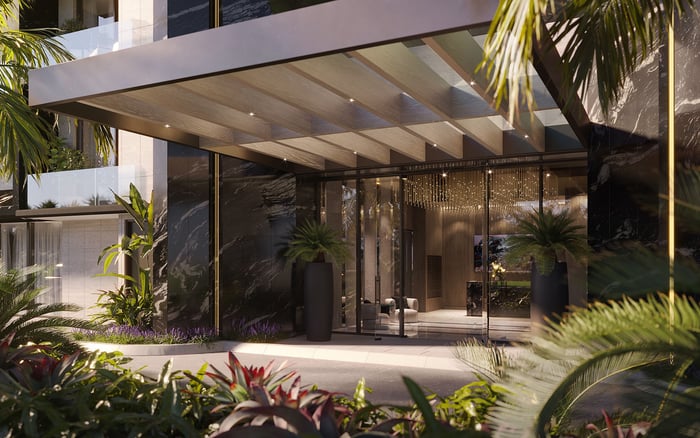
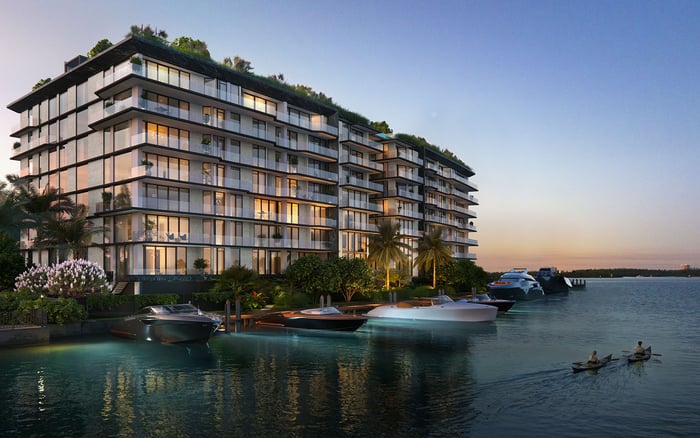
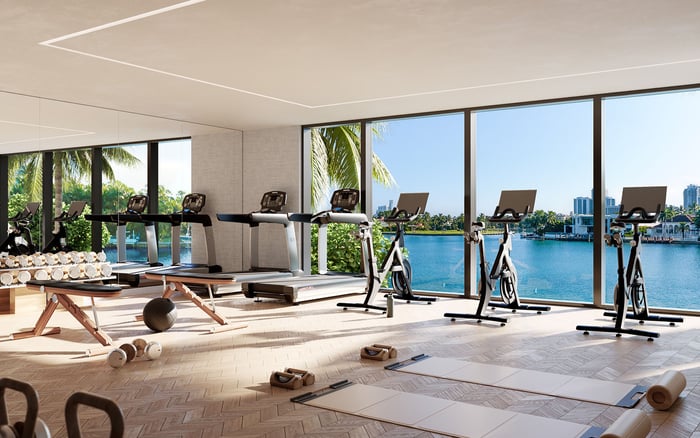
At Mila Bay Harbor Islands, sophisticated due diligence extends behind the walls. Buyers should examine pressure zoning, booster capacity, controls, backup power and outage resilience before treating reliable water service as a given.
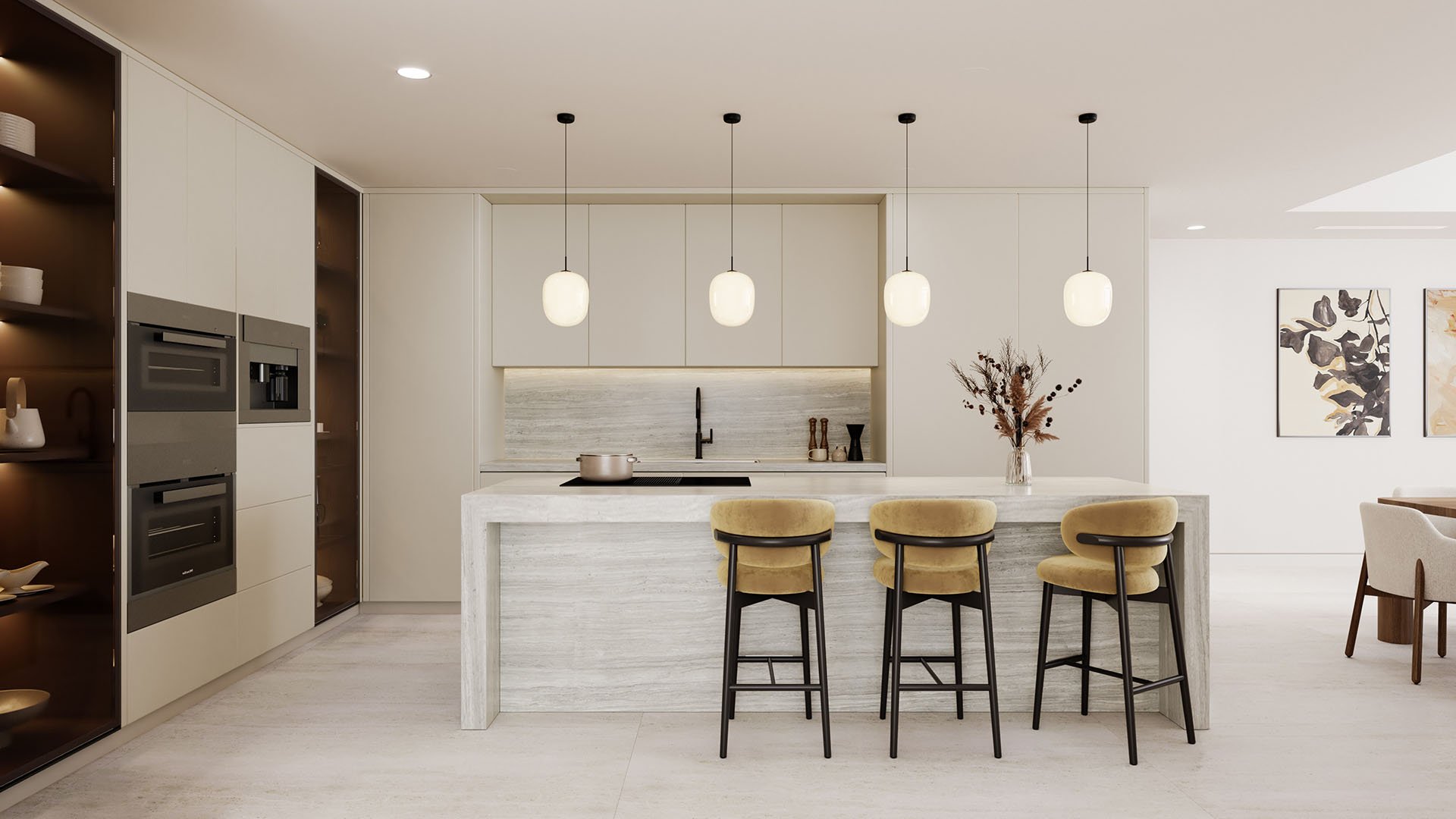
Luxury is typically measured through proportion, materials, outlook and privacy. Yet in a vertical residence, one of the most consequential comforts remains almost entirely concealed: dependable domestic water pressure. For a buyer considering Mila Bay Harbor Islands, the relevant fine print extends beyond whether water reaches every fixture. The deeper question is whether the building can deliver suitable pressure across its full height, protect lower fixtures from excess pressure and maintain service when equipment becomes unavailable.
This is an especially useful lens for waterfront and new-construction due diligence. Plumbing infrastructure may lack the visual appeal of a stone kitchen or landscaped terrace, but its design directly affects showers, appliances, maintenance exposure and the experience of returning home after a power interruption.
Water pressure falls by approximately 0.433 psi for every foot of vertical rise. Elevation therefore consumes a meaningful share of available municipal pressure before friction, valves, meters and other internal losses enter the equation. Street pressure alone is often insufficient to serve upper levels, which is why tall buildings commonly require domestic-water booster systems.
Proper sizing depends on more than height. The calculation should account for minimum street pressure, elevation, pipe-friction loss, equipment loss, pressure-reducing-valve falloff and the residual pressure required at the highest fixture. It should also reflect the building's total demand rather than residential fixtures alone. Seasonal changes matter as well, because irrigation and cooling demand can reduce available municipal pressure.
For buyers focused on high floors, the practical question is precise: what pressure remains at the most hydraulically remote fixture under design demand? A general assurance that the building has booster pumps does not answer it.
A booster powerful enough to serve the uppermost fixtures can create excessive pressure lower in the system. High-rise designs therefore divide the building into pressure zones and use pressure-reducing stations, commonly called PRVs, to maintain acceptable conditions.
Poor zoning or incorrect PRV adjustment can create the worst of both worlds: weak shower performance near the top of a zone and damaging overpressure near its bottom. Discharge pressure must also remain within the rated working pressure of connected pipes, valves, fittings and equipment.
Some buildings use multiple booster stations at different elevations to avoid the extreme pressures created by serving an entire tower from a single basement package. Series-connected systems require careful hydraulic separation because one stage can affect another's suction conditions. Break tanks may stabilize an inconsistent incoming supply and separate interacting stages. Whatever the arrangement, adequate inlet pressure must be measured against pump suction requirements to avoid cavitation.
These questions apply across the local market, from Alana Bay Harbor Islands to Onda Bay Harbor. They are not claims about the engineering of either property. Rather, they illustrate a due-diligence standard that should travel with the buyer.
A duplex, triplex or quadruplex label describes pump quantity, not necessarily resilience. The decisive issue is whether the remaining pumps can meet design demand when one unit is out of service. In a true N+1 arrangement, the package includes one more pump than normal demand requires, allowing a standby unit to preserve service after an operating pump fails.
The control sequence is equally important. Automatic lead-lag operation and standby activation can restore or maintain discharge pressure without awaiting manual intervention. In a system without a gravity bypass, residents depend entirely on the pumps, making available capacity after a single failure particularly consequential.
Electrical resilience warrants separate scrutiny. An extra pump offers no protection during a power outage unless the booster equipment is supported by an appropriate emergency or redundant power strategy. Alarms and remote monitoring should be capable of identifying pump failure, low suction pressure, high discharge pressure, PRV faults and loss of normal power.
The supplied information does not establish Mila's pump count, pressure-zone layout, PRV settings, emergency-power coverage or redundancy standard. Buyers should verify each point in the project engineering and condominium documents rather than infer performance from code compliance. Baseline water-supply requirements do not, by themselves, document pump redundancy, control logic or outage resilience.
Request the booster schedule, pressure-zone diagram, pump duty and standby capacities, control sequence, emergency-power coverage, alarm provisions and history of pressure complaints or outages. Ask for the minimum pressure at the highest fixture and the maximum pressure at the lowest fixture in every zone. If the package is described as duplex or triplex, ask what capacity remains when the largest required pump is unavailable.
This level of review belongs alongside design and architecture analysis in serious buyer's guides. It is equally relevant when considering The Well Bay Harbor Islands, Bay Harbor Towers or residences near Bal Harbour. Each property must be evaluated on its own documents and operating strategy.
Low pressure in one residence does not automatically signal a building-wide booster problem. The issue may lie within a fixture, cartridge, shutoff valve or unit piping. Conversely, simultaneous symptoms across multiple residences can point to a building main, booster, PRV, riser or another common component.
A disciplined assessment separates unit-side conditions from common-system conditions before proposing a remedy. Buyers reviewing an operating property should ask whether complaints cluster by floor, riser, pressure zone, time of day or outage event. Such patterns can reveal more than a single pressure reading taken under light demand.
Why does water pressure decline on upper floors? Vertical rise consumes about 0.433 psi per foot before friction and equipment losses are counted.
Does municipal pressure usually serve an entire tall building? Often it does not, so a domestic-water booster system may be required at the building entry.
What is a pressure zone? It is a defined portion of a building served within a controlled pressure range, balancing conditions at upper and lower fixtures.
Why are PRVs important? Pressure-reducing valves protect fixtures and piping from booster discharge pressure that might otherwise be excessive.
Does a triplex pump package guarantee redundancy? No. The remaining pumps must still meet the applicable design demand after one unit becomes unavailable.
What does N+1 mean? It means providing one more pump than normal demand requires, creating true standby capacity.
Will redundant pumps operate during a blackout? Only if the booster equipment also has suitable emergency or redundant electrical power.
Which alarms should a buyer ask about? Ask about monitoring for pump faults, low suction, high discharge, PRV faults and loss of power.
What Mila documents deserve review? Request booster schedules, zoning diagrams, capacities, controls, power coverage, alarms and service history.
Can one weak shower prove a common-system failure? No. Unit fixtures and valves should be evaluated separately from booster, riser, PRV and building-main issues.
If you'd like a private walkthrough and a curated shortlist, connect with MILLION.
If branded residences are on your mind — as a home or as an allocation — we would be glad to share what we are seeing, privately.
Begin a quiet conversation