For families considering a luxury condominium in Bay Harbor Islands, the practical value of an amenity depends on who may use it, under whose supervision, and on what terms. A disciplined review of caregiver permissions, guest access, safety policies, and waivers helps align the residence with everyday family life.

A beautifully appointed condominium should make family life feel effortless. Yet a pool, playroom, or concierge desk does not establish whether a nanny can accompany a child while parents are away, whether grandparents can visit independently, or who must sign an amenity waiver. Those details deserve the same attention as the floor plan.
In Bay Harbor Islands, buyers should distinguish the promise of an amenity from permission to use it. Review the declaration, bylaws, and applicable association rules with Florida counsel to understand amenity access. Marketing materials do not replace those documents.
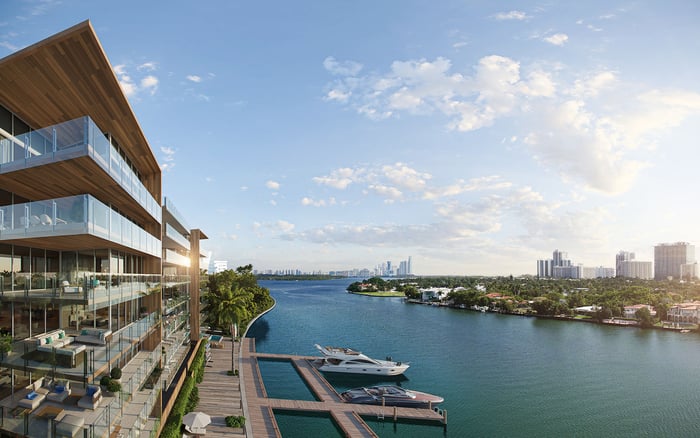
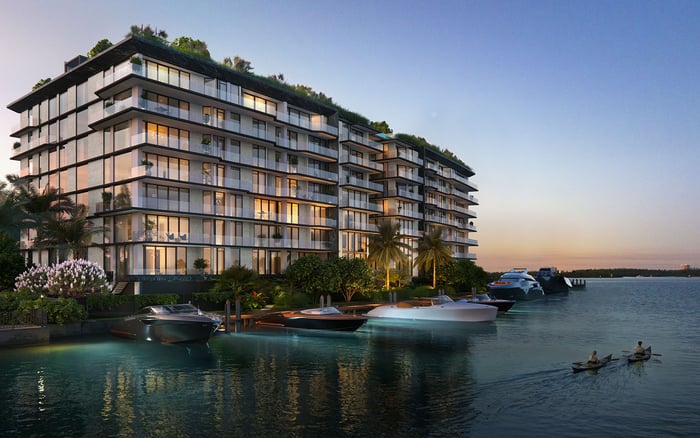
For a family considering Alana Bay Harbor Islands, start with a written account of an ordinary week: who supervises the children, which spaces they expect to use, and when relatives visit. This is a due-diligence approach, not a statement of that property's policies.
Request the current declaration, bylaws, association rules, amenity policies, and any pending amendments before purchase. Read them together; an amenity brochure is not a complete account of access.
Translate each important family habit into a specific question. Can a caregiver take a child to the playroom without the owner present? Can a teenager enter a fitness area independently? Does permission for one space extend to another? Ask management to identify the applicable provision in its written response.
If Bay Harbor Towers is on the shortlist, apply the same document-led review without presuming a particular access arrangement. A comparison sheet should distinguish confirmed permissions, stated restrictions, and unresolved questions. Do not treat silence as permission or an informal assurance as a substitute for reviewing the governing language.
Do not assume one caregiver policy applies throughout Bay Harbor Islands. What matters is how the individual association classifies the person caring for your child-and what that classification permits.
Ask whether a named nanny is treated as a guest, household employee, registered caregiver, or another category. Then confirm whether that person may accompany a resident child without an owner present. Address building entry and amenity access separately, including whether the same credentials authorize both.
Request details on identification, registration, passes, minimum ages, and procedures for substitute caregivers. Families with rotating care should explain that arrangement rather than seek approval for an abstract category of visitor.
Finally, distinguish supervision from signature authority. Permission to accompany a child is not proof that a caregiver may execute the child's waiver. Obtain the actual form and have Florida counsel assess who is authorized to sign.
A guest pass should never be read as automatic permission for independent amenity use. Confirm whether the owner or tenant must remain with the guest and whether that requirement changes between the pool, playroom, fitness facilities, and other shared spaces.
A grandparent visiting from Bal Harbour and a child's friend arriving for an afternoon may raise different practical questions. Ask whether children and caregivers count toward guest limits, whether advance registration is required, and whether limits apply by unit, resident, visit, or amenity. These are questions to resolve, not presumed local rules.
When considering Onda Bay Harbor, frame the inquiry around specific scenarios: two visiting grandparents, a caregiver accompanying siblings, or a small playdate. Management can address a defined situation more precisely than a general question about whether a building is family-friendly.
Pool access involves more than an entry credential. Ask counsel to verify the pool's classification and applicable regulatory requirements rather than assume every condominium pool operates under identical rules.
Separately, confirm lifeguard availability and who bears immediate responsibility for supervision. Do not infer staffed supervision from concierge service or the quality of the pool deck.
Ask for operating hours and rules governing adult accompaniment, swim diapers, flotation devices, and any age-specific restrictions. A schedule that conflicts with the family's routine can materially reduce an amenity's usefulness, even when access is otherwise permitted.
For playrooms or organized activities, ask whether child-release procedures exist and who may collect a child. Tie each answer to the particular space and activity. A general statement that children are welcome leaves the operational questions unanswered.
Obtain every applicable waiver before closing. Ask Florida counsel to review authorized signers, provisions concerning minors, covered activities, renewal requirements, releases, and indemnification obligations. Each merits attention; asking whether a form is standard is not enough.
Do not assume a waiver settles every liability issue. Have counsel assess the particular release, any relevant association duties, and the circumstances in which the form would apply.
Request an insurance summary and ask an insurance adviser about exclusions affecting pools, waterfront activities, children, guests, and hired caregivers. Do not assume association coverage addresses every household exposure.
For buyers evaluating The Well Bay Harbor Islands, the same principle applies: review actual activity policies and forms rather than infer permissions or protection from a project's name or presentation.
Families purchasing a second residence should consider how leasing could affect their own amenity access. Ask counsel to confirm which use rights would pass to the tenant and what access, if any, the owner could retain.
Clarify whether owner visits would require guest authorization or a written waiver of tenant use rights. Do not build a seasonal family schedule around simultaneous owner and tenant use without reviewing the arrangement.
Ask how the association handles rule violations, whether amenity suspensions may apply, and what procedures and limitations govern enforcement. Review the answers and applicable documents with counsel where necessary.
Before closing, assemble the current rules, amenity policies, waiver forms, insurance summary, pending amendments, and written management answers. Reconcile conflicting language rather than choose the most convenient interpretation.
The objective is not unrestricted access. It is a residence whose documented permissions support the household's actual rhythm, including caregivers, visiting relatives, and changing supervision needs. Treat unanswered questions as unresolved purchase considerations.
Explore Bay Harbor Islands residences with MILLION to shape a shortlist around your family's priorities.
If branded residences are on your mind — as a home or as an allocation — we would be glad to share what we are seeing, privately.
Begin a quiet conversationReview the declaration, bylaws, and applicable association rules with Florida counsel. Do not rely on advertised amenities to establish every condition of access.
Confirm that permission with the individual association and request the applicable rule in writing. Do not assume a uniform caregiver policy across Bay Harbor Islands.
Ask how caregivers are classified and whether identification, registration, passes, or minimum ages apply. Confirm procedures for substitutes and whether building entry includes amenity access.
Do not assume it does. Confirm whether an owner or tenant must accompany them and whether permissions differ by amenity.
Ask the association how its limits apply to each person and activity. Do not assume children or hired caregivers are excluded from the count.
No; ask counsel to verify the particular pool's classification and applicable requirements. Separately confirm operating hours, lifeguard availability, and supervision rules.
Do not assume that access permission confers signature authority. Obtain the actual form and ask Florida counsel who is authorized to sign for the child.
Do not assume a waiver resolves every liability question. Have counsel review the release, relevant association duties, and the circumstances in which it would apply.
Ask counsel which use rights pass to the tenant and what access the owner may retain. Clarify any guest authorization or written waiver requirements before relying on continued access.
Obtain current governing documents, amenity policies, waiver forms, an insurance summary, pending amendments, and written management answers. Treat unresolved access questions as purchase considerations rather than implied permission.