A buyer-focused comparison of Bay Harbor Towers and THE WELL Bay Harbor Islands, separating storage language from legal rights, environmental specifications, and the arrangements needed for extended absences.
For a seasonal owner, a residence must work beautifully even when nobody is home. Wardrobes, bicycles, luggage, and personal collections raise questions a floor plan alone cannot answer. Where does each item belong? What conditions protect it? Who can enter, inspect, and respond during an extended absence?
At Bay Harbor Towers and The Well Bay Harbor Islands, those questions provide a common framework for buyers. The comparison is not a contest between waterfront living and wellness. It is an examination of the rights, spaces, and responsibilities attached to a particular residence.
The available details establish no clear advantage in private-storage capacity, environmental performance, inspection frequency, vacancy fees, or remote-monitoring packages. That uncertainty is not evidence that a feature is absent. It is a reason to make written confirmation part of the purchase decision.
Begin with three categories: closets and cabinetry inside the residence, private owner lockers outside it, and shared rooms for bicycles or water-sports equipment. Each serves a different need. None should substitute for another without a review of dimensions, permitted use, and access.
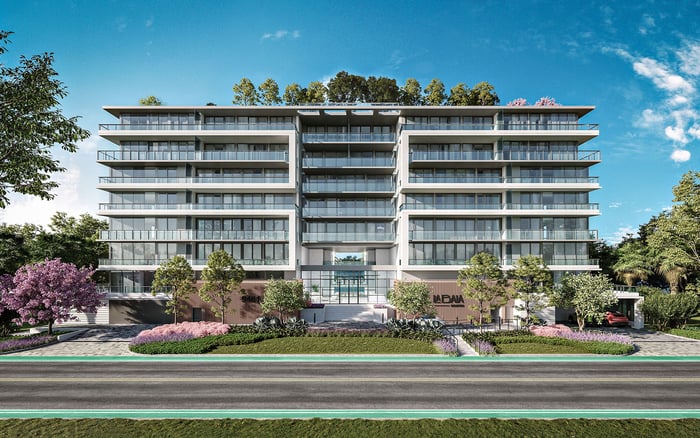
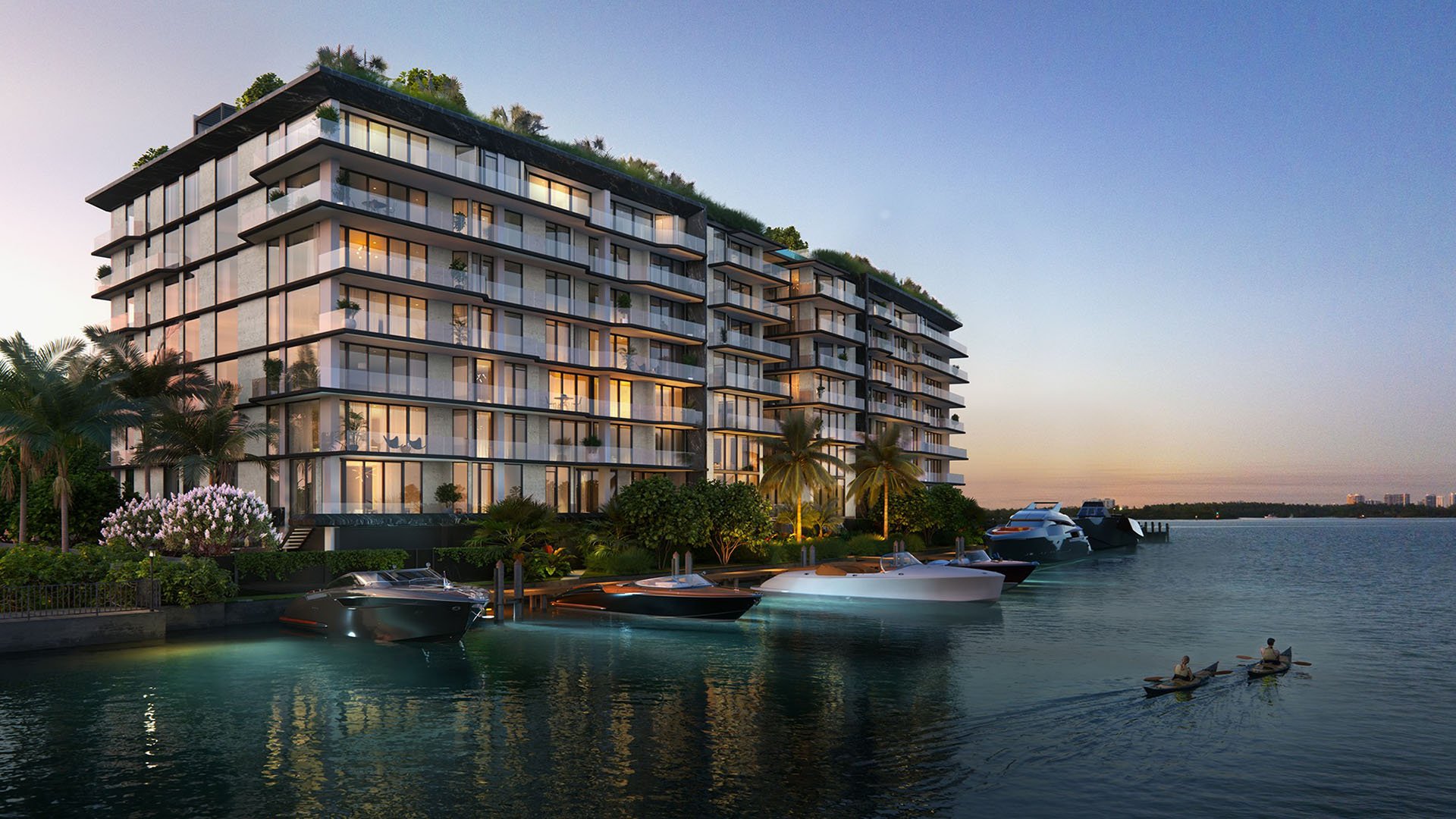
Bay Harbor Towers is an eight-story luxury condominium at 10141 East Bay Harbor Drive, Bay Harbor Islands, FL 33154. Its two-, three-, and four-bedroom residences are described as having flow-through layouts in a waterfront setting. Designated bicycle and water-sports storage areas are also described, but that language does not establish an individual owner's legal right to a particular space.
Private owner-storage dimensions, allocation, ownership status, and climate-control specifications require written verification. Buyers should not mistake an equipment-storage amenity for a private locker, much less a conditioned room suitable for every possession.
THE WELL offers a different starting point: generous floor plans designed with ample storage space. That language neither establishes a separately deeded locker nor quantifies conditioned storage outside the residence. Buyers should identify the actual closets, cabinets, and any external allocation in the documents for their selected unit.
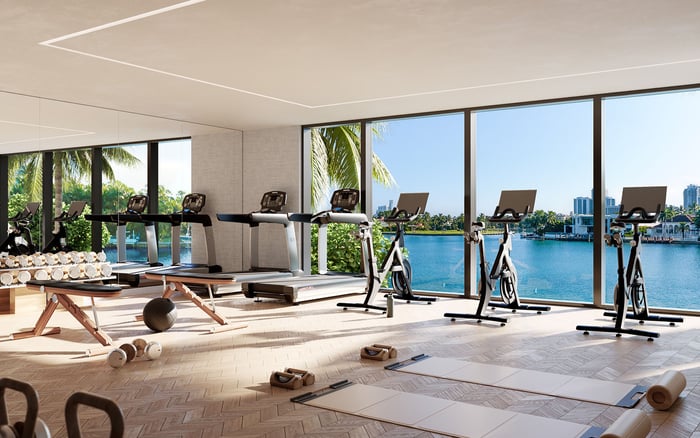
Unit 608 at 1176 97th Street is described as including storage and two THE WELL club memberships. Unit 201 at that address is also described with storage and bike storage, alongside fitness facilities, pool, sauna, spa, and secured building access. Neither description establishes storage allocation or environmental conditions across the building.
The distinction matters: a benefit associated with one residence should not become an assumption about another. Ask whether the contemplated purchase includes a specific storage identifier, where that space appears in the agreement, and whether the right survives a resale or lease.
Keep addresses equally precise. THE WELL's development address is identified as 1160 Kane Concourse, Bay Harbor Islands, FL 33154, while the residential units above use 1176 97th Street. Ask the transaction team to reconcile the unit address, legal description, and any storage designation rather than treating those identifiers as interchangeable.
Club membership deserves its own review. What transfers with ownership, what dues or service charges apply, and what restrictions affect leasing? Membership benefits are not evidence of residential storage rights or vacant-home care.
“Conditioned” needs a specification, not an assumption. Ask whether a proposed storage area is air-conditioned, humidity-controlled, ventilated, or simply enclosed. Request the applicable operating specifications and clarify who maintains the equipment serving it.
Let the intended contents guide the questions. Would the permitted uses and documented conditions suit clothing, luggage, sporting equipment, or sensitive possessions the owner plans to leave behind? What restrictions apply, and who is responsible for insuring the contents?
For either property, request usable dimensions and access details in writing. Does shelving reduce usable capacity? Are access hours restricted? Can an authorized representative retrieve belongings? What fees apply, and what happens to access during storm closures?
Do not assume a temperature range, humidity target, or uninterrupted environmental performance at either property. If a particular storage condition matters to the purchase, ask for it to be addressed in the transaction documents with the appropriate advisers.
THE WELL's wellness orientation does not establish a guaranteed vacant-unit inspection or home-watch service. Nor should buyers infer a specific absence-management program at either property from an amenity description. The question is not simply whether assistance is available, but what an agreed service would cover.
Ask who would conduct inspections, how frequently they would occur, and how completion would be recorded. Would the scope include HVAC checks, visible leaks, storage areas, and storm preparation? Who would hold keys or access codes, and what written authorization would permit routine or emergency entry?
Monitoring requires a separate discussion. Are remote HVAC controls, humidity monitoring, leak sensors, condensate alarms, or water shutoffs available for the selected residence? If so, who receives alerts, who responds, and what happens if the first contact cannot be reached?
Responsibility matters as much as equipment. Ask who can authorize emergency work, what spending approval is required, and who bears entry or remediation costs. Request details of any vacancy-related fees and service charges separately from the purchase price and regular ownership expenses.
An owner-created inventory can connect possessions to their intended spaces. Consider recording each item's location, photographs, relevant identifying details, and the person authorized to move it. This is a suggested ownership practice, not a confirmed service at either development.
Ask any proposed home-watch provider whether its agreement can accommodate inventory checks and document exceptions. Would an inspection record a relocated bicycle, an inaccessible locker, or a moisture concern? How would the owner receive that information?
The objective is a clear chain of responsibility, not unnecessary surveillance. Define access permissions, reporting expectations, and the handling of personal information before leaving belongings in another party's care.
Request the declaration, bylaws, rules, unit diagrams, storage-allocation schedule, purchase-agreement exhibits, and operating budget. Have the appropriate advisers examine how storage rights are allocated, whether they transfer, and which costs or restrictions apply. Keep unresolved questions visible rather than allowing verbal assurances to become assumed entitlements.
If the search extends to Bal Harbour and Oceana Bal Harbour, carry the same questions into that evaluation without assuming equivalent services. The comparison should remain specific to the residence, its documents, and any separately contracted care arrangements.
For Bay Harbor Towers and THE WELL alike, the strongest fit is the home whose documented arrangements suit what the owner intends to store and how long they intend to be away. An elegant residence becomes easier to enjoy when its practical responsibilities are equally clear.
For a discreet conversation about your South Florida residence search, connect with MILLION.
If branded residences are on your mind — as a home or as an allocation — we would be glad to share what we are seeing, privately.
Begin a quiet conversationPrivate owner-locker dimensions, allocation, and ownership status are not established by the available details. Buyers should request written confirmation for the selected residence.
Designated areas for bicycles and water-sports equipment are described. That does not establish an individual owner's legal right to a specific space.
No. It does not establish a separately deeded locker or quantify conditioned storage outside the residence.
Storage and two THE WELL club memberships are advertised with Unit 608 at 1176 97th Street. Those benefits should not be assumed to apply to every residence.
The development address is identified as 1160 Kane Concourse, while the cited residential units use 1176 97th Street. Buyers should have their transaction team reconcile the relevant address and legal description.
The available details do not establish that specification. Ask whether the selected space is air-conditioned, humidity-controlled, ventilated, or merely enclosed.
A guaranteed vacant-unit inspection or home-watch service is not established. Buyers should confirm any proposed service's scope, frequency, fees, and entry authorization in writing.
Request the declaration, bylaws, rules, unit diagrams, storage-allocation schedule, purchase-agreement exhibits, and operating budget. Have the appropriate advisers review allocation, transferability, restrictions, and costs.
It should clarify inspection duties, access permissions, emergency contacts, HVAC checks, leak response, and storm preparation. Ask separately about monitoring alerts and responsibility for emergency costs.
The available details do not establish a winner on private capacity, conditioned-storage performance, or absence-management services. Compare written arrangements for the specific residences under consideration.