Tula Residences offers a documented starting point for North Bay Village buyers, but its guest-control systems and building-app privacy remain unverified. A discerning purchase requires written operating policies, not assumptions drawn from boutique scale or luxury pricing.
For a buyer who values discretion, a waterfront address is only part of the brief. The more consequential questions begin at the entrance: who can authorize a visitor, where that visitor may go and what record remains after departure. A polished building app is not, by itself, evidence of controlled access or thoughtful handling of personal information.
There is no established privacy winner here. Tula Residences merits consideration for its documented residential plans, but its building-app provider, mandatory guest registration, expiring visitor credentials, elevator permissions and app-data protections remain unverified. Without written confirmation, it should not be presented as the best choice on those criteria.
The selection standard should be specific: documented visitor procedures, clearly bounded access and restrained data collection. More tracking does not itself mean stronger privacy.
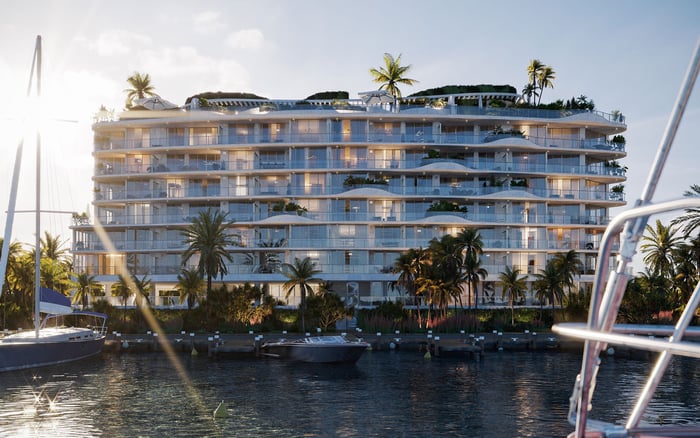
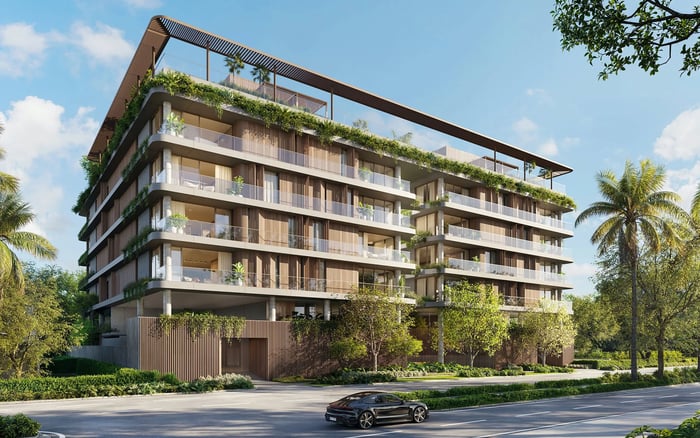
Planned at 7918 West Drive, Tula Residences North Bay Village is a waterfront condominium designed to rise 21 stories with 54 residences. The planned mix includes two- and three-bedroom condominiums, plus six penthouses averaging approximately 4,000 square feet.
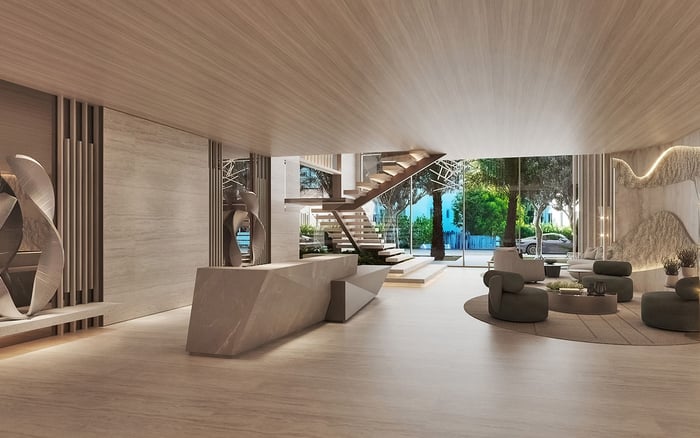
That scale may appeal to buyers seeking a smaller residential community. It does not establish how the entrance will be staffed, whether visitors must preregister or whether credentials will be limited to particular floors. A low residence count is no substitute for an operating policy.
Planned amenities include a pool, fitness center, media room, pet spa and private dining room. They raise practical questions for a privacy-minded purchaser: can a dinner guest reach only the approved destination, and does an amenity reservation expose a resident's name or schedule to anyone beyond the necessary staff?
These are questions to resolve, not features to assume. The distinction matters most when sales materials describe the residential experience more fully than the systems intended to support it.
Request the guest-registration procedure before treating any property as a security-led choice. It should explain who may invite visitors, how identity is checked, what happens when someone arrives unannounced and whether staff must obtain fresh resident approval before granting entry.
For buyers also considering Continuum Club & Residences North Bay Village, the same request establishes a consistent comparison standard. Its inclusion in a search does not confirm any particular visitor-management system or privacy protection.
Request a demonstration built around ordinary household situations rather than a frictionless sales presentation:
A dinner guest arrives early and the resident is unavailable.
A housekeeper needs recurring access during defined hours.
A contractor's authorization must be withdrawn before the next visit.
An expected delivery arrives after its permitted window.
For each scenario, ask who decides, what credential is issued, when it expires and what happens if the app is unavailable. Clarify whether elevator access is destination-specific and whether a revoked credential stops working immediately. Written answers provide a more meaningful basis for comparison than an assurance that a building will be secure.
An access system can restrict entry while collecting more information than a household wishes to disclose. Evaluate the app's privacy policy separately from the building's guest rules. Request the selected provider's identity, the resident-facing terms and an explanation of which functions require an account.
The essential questions concern visibility, retention and sharing. Who can search visitor logs? Can staff see every household's activity, or only the information needed for their role? How long are guest names, visit times and identity details retained? Are records shared beyond the association, management and necessary service providers?
Ask which phone permissions are required and which are optional. If the app requests location, contacts or other device information, seek a written explanation of the purpose and whether declining access limits essential building functions. Ask, too, whether residents and guests have a practical non-app route through registration.
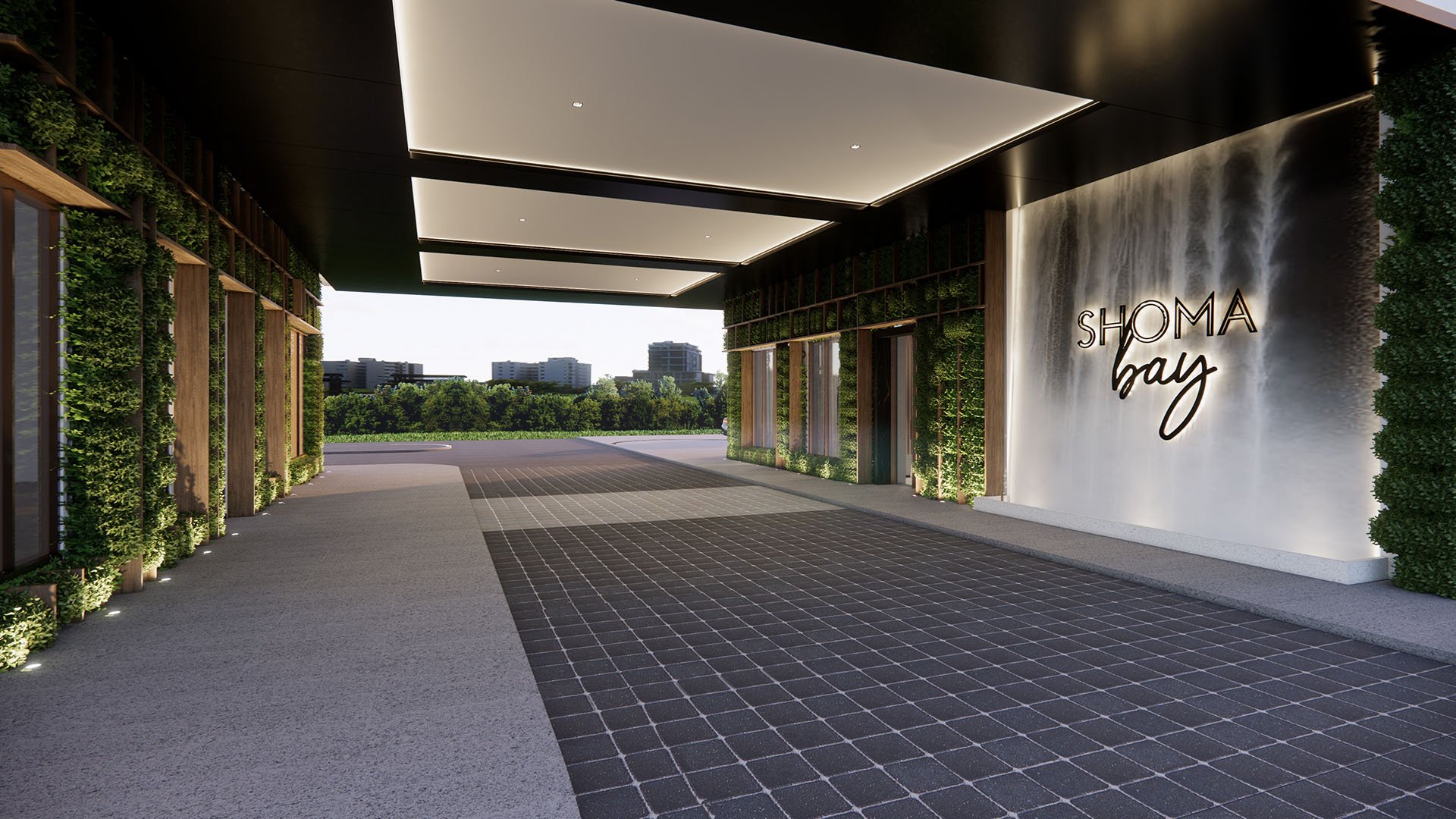
For a household comparing Shoma Bay North Bay Village with Tula, these questions belong in the same diligence file. Neither a project name nor a new interface establishes stronger privacy. The meaningful comparison is between documented policies and demonstrated controls.
Tula's July 2025 starting-price indication was $1.9 million. Historical asking prices illustrate a range of layouts and carrying costs: Unit 704 had an asking price of $1,995,000 for two bedrooms and 1,624 square feet, with monthly HOA fees of $2,916. Unit 1403 had an asking price of $2,700,000 for two bedrooms and 1,715 square feet, with monthly HOA fees of $3,087.
Those figures are historical reference points-not current availability, binding quotations or evidence of a particular service level. Neither the purchase price nor the monthly assessment establishes round-the-clock security, sophisticated access software or limited use of resident data.
Request the current proposed budget and ask which staffing, software, maintenance and support expenses it includes. Keep the financial review distinct from the privacy review: knowing what a service costs does not explain what information it collects or who controls it.
Tula's history calls for a careful distinction between project progress and delivery certainty. A $67 million construction loan from S3 Capital was identified in December 2025 for the previously stalled development. That financing milestone does not verify completion or the installation of any particular access-control system.
Delivery estimates have differed between a July 2025 projection for a 2026 opening and a separate 2027 estimate. Neither establishes completed delivery or guarantees an occupancy date.
Before committing, ask which security and app specifications have been selected, which remain proposed and whether substitutions are permitted. Have counsel review how the contract addresses those representations. Request an updated construction schedule separately, so an anticipated move-in date does not become an assumption about operational readiness.
For an owner who expects to be away, the decisive test is control without constant intervention. Ask how an authorized household representative can approve visits, how temporary permissions end and how former staff or vendors are removed. Confirm who handles exceptions when the resident cannot respond.
Before closing, request a demonstration using the intended operating configuration, along with the guest policy, app terms, retention schedule and management contact for privacy concerns. Keep pending answers marked as unresolved rather than treating them as implied amenities.
The strongest choice is the residence whose written policies fit the household's tolerance for access and data collection. Tula's boutique plans offer a reason to investigate, not a basis for awarding a privacy distinction.
For a discreet discussion of North Bay Village residences and the questions that matter before purchase, connect with MILLION.
If branded residences are on your mind — as a home or as an allocation — we would be glad to share what we are seeing, privately.
Begin a quiet conversationNo privacy winner is established. Tula's residential plans are documented, but its guest-control systems and app-data protections remain unverified.
Tula Residences is planned at 7918 West Drive, North Bay Village, FL 33141, on a waterfront site.
Plans call for 54 residences across 21 stories, including two- and three-bedroom condominiums and six penthouses averaging approximately 4,000 square feet.
Tula's building-app provider is not verified here. Buyers should request the selected provider's identity, app terms and privacy policy in writing.
No. A smaller residence count does not establish staffing levels, mandatory guest registration, elevator restrictions or stronger data protections.
Request written rules for resident approval, identity checks, unannounced arrivals, vendors and credential expiration. Ask how access is revoked and how entry works when the app is unavailable.
Entry security concerns who may enter and where they may go. App privacy concerns the information collected, who can access it, how long it is retained and whether it is shared.
Planned amenities include a pool, fitness center, media room, pet spa and private dining room. These plans do not confirm guest-access restrictions for those spaces.
A July 2025 starting-price indication was $1.9 million. Historical listing prices and HOA figures should not be treated as current quotations or guarantees.
Delivery estimates have differed between a 2026 opening projection and a separate 2027 estimate. Neither establishes completed delivery or a guaranteed occupancy date.