Jade Signature’s oceanfront architecture and wellness amenities are distinct from verified indoor environmental performance. A buyer’s guide to the documents, maintenance records, and independent assessments that can clarify air quality, drinking-water filtration, and lighting claims.
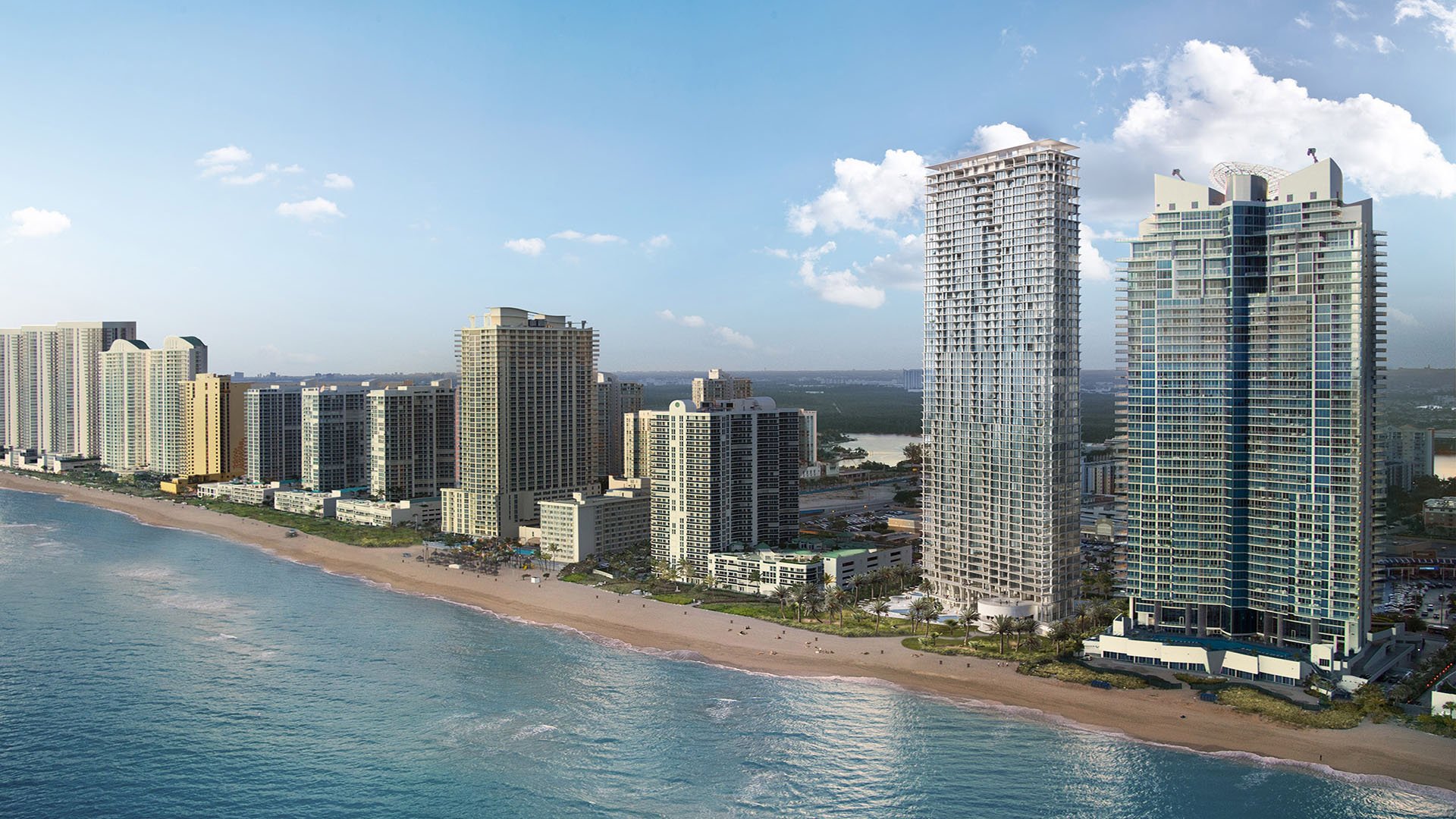
At Jade Signature Sunny Isles Beach, the architectural appeal is clear: an oceanfront address at 16901 Collins Avenue, a Herzog & de Meuron design, and approximately 300 feet of ocean frontage. Completed in 2018, the condominium comprises approximately 192 residences. Its slender, parallelogram-shaped form creates a distinctive setting for life beside the Atlantic.
For a buyer examining wellness claims, however, architecture begins the conversation; it does not conclude it. Air quality, drinking-water filtration, and circadian lighting require evidence tied to specific systems and, ideally, the residence under consideration. An amenity description cannot establish how those systems operate inside a particular home.
The essential distinction is between what is advertised, what equipment is documented, and what performance has been measured. Verified outcomes in these three categories are not established by the available public information. That does not mean a system is absent or deficient. It means an attractive promise should not be mistaken for a technical conclusion.
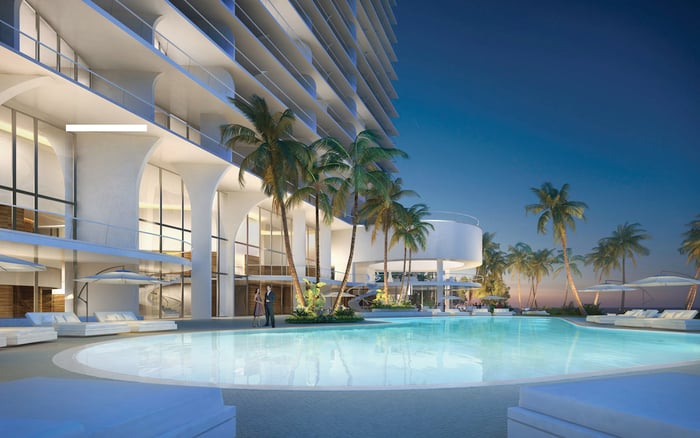
Jade Signature’s wellness amenities include a health and wellness center with a sauna, steam room, and coed hammam or Turkish bath. A cold rain shower, water terrace, massage cabanas, and Jacuzzi extend the offering. Two private exercise studios for Pilates and spinning, along with a sunset yoga terrace, add to its lifestyle appeal.
These amenities merit consideration on their own terms. They do not establish the filtration rating of an apartment’s HVAC equipment, the treatment of water at its kitchen tap, or the programming of its bedroom lighting. In particular, water used for spa experiences should not be confused with a documented drinking-water treatment system.
During a viewing, keep two questions separate: which amenities suit the household, and which technical records support the environmental features that matter to it? This preserves the pleasure of evaluating the property without asking wellness language to prove more than it can.
Central cooling and central heat are identified as residence features. Neither term establishes the detailed HVAC configuration serving an individual apartment. Filter MERV ratings, outdoor-air delivery rates, and dedicated outdoor-air and energy-recovery systems remain unspecified in the available public information.
Begin with mechanical drawings that identify the equipment serving the residence, along with filter specifications and outdoor-air and exhaust details. Ask an independent mechanical professional to explain what each document establishes and what still requires inspection. Do not draw a performance conclusion from the words “central air” alone.
Maintenance warrants a separate review. Request available service logs, filter-change records, and relevant remediation records. Clarify which components the association maintains and which fall to the residence owner. A building-wide service arrangement should not be assumed to cover everything.
Finally, ask an independent professional to propose appropriate in-unit testing and explain its scope. The objective is an assessment tailored to the buyer’s concerns, not an indiscriminate checklist. Specifications describe a system; maintenance records and measurements help a specialist evaluate how it operates.
For a buyer also considering Armani Casa Sunny Isles Beach, these questions provide a consistent basis for comparison without implying that the two properties have identical equipment or performance.
A building-wide drinking-water filtration system is not identified in the available public information for Jade Signature. Sub-Zero and Gaggenau appliances are advertised residence features, but appliance brands alone do not establish a specified potable-water treatment arrangement.
Request domestic-water schematics and specifications for any treatment equipment represented as serving the home. The practical question is precise: what, if anything, treats the water delivered to the outlets the household will use? Ask the reviewer to distinguish shared equipment from treatment installed within the residence.
Next, request maintenance records for the identified equipment and recent tap-water laboratory results, if available. Have an independent professional assess whether those results address the relevant outlets and the buyer’s concerns, or whether additional sampling is appropriate. Keep pool and spa treatment documentation separate throughout the review.
An unspecified system is not proof of poor water quality. Nor is a luxury kitchen or a water-centered wellness amenity proof of drinking-water purity. Both judgments exceed what the available public information establishes.
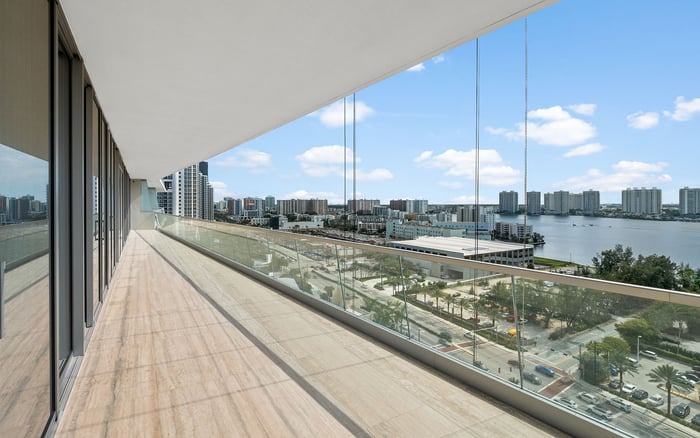
Advertised residence features include 10-foot ceilings, floor-to-ceiling windows, and direct ocean views, with flow-through plans offering ocean, city, and Intracoastal views. These features speak to spatial experience and outlook, not measured daylight or circadian-lighting performance.
Smart technology and Wi-Fi or high-speed internet throughout the building and residences are also advertised. Connectivity alone does not specify a built-in circadian-lighting system. Tunable-white fixture specifications, lighting schedules, and measured circadian performance are not provided in the available public information about the residences.
If a home is presented with circadian lighting, request specifications for the installed fixtures and controls. Ask whether the fixtures are tunable, which rooms are included, and what schedules have actually been configured. Seek commissioning documentation or a qualified lighting professional’s assessment rather than inferring capability from a touchscreen.
During the viewing, request a demonstration of the installed controls and an explanation of their settings. Treat it as a starting point for technical review, not evidence of clinical benefit. The aim is to understand the installation being purchased, not simply the language used to describe it.
A useful purchase file separates air, water, and lighting, recording each claim, its supporting specification, maintenance information, and any independent assessment. Ask reviewers to identify whether each item applies to common areas, the whole building, or the particular residence. Keep that distinction visible throughout negotiations.
When a shortlist includes Muse Residences Sunny Isles Beach, carry the same questions into that evaluation. Consistency is more useful than assuming a shared location or luxury positioning implies comparable systems. Each property warrants its own evidence-based review.
At Jade Signature, the architecture and amenities can remain compelling without being asked to substantiate unverified environmental claims. A discerning purchase rests on understanding both the experience on offer and the technical questions still open. Missing public specifications are a reason to inquire, not a verdict on the building.
For a discreet conversation about evaluating South Florida residences beyond the brochure, connect with MILLION.
If branded residences are on your mind — as a home or as an allocation — we would be glad to share what we are seeing, privately.
Begin a quiet conversationJade Signature is at 16901 Collins Avenue in Sunny Isles Beach, with approximately 300 feet of ocean frontage.
Herzog & de Meuron designed the condominium, which was completed in 2018 and comprises approximately 192 residences.
Published amenities include a sauna, steam room, coed hammam, cold rain shower, and Jacuzzi. The fitness offering includes private Pilates and spinning studios and a sunset yoga terrace.
No measured indoor-air-quality results are established in the public descriptions discussed here. Central cooling and heat do not establish filtration ratings or ventilation performance.
Request mechanical drawings, filter ratings, outdoor-air and exhaust specifications, and maintenance and relevant remediation records. An independent professional can recommend appropriate in-unit testing.
The public amenity and residence descriptions discussed here do not identify a specified building-wide drinking-water filtration system. That does not establish that treatment is absent.
Request domestic-water schematics, treatment equipment specifications, maintenance records, and recent tap-water laboratory results. Keep potable-water treatment separate from pool and spa treatment.
No. Floor-to-ceiling glazing and flow-through views are architectural features, not measured evidence of circadian-lighting effectiveness.
Ask for installed fixture and control specifications, confirmation of tunability, and configured lighting schedules. Request commissioning documentation or a qualified professional’s assessment of the installation.
No. An undocumented feature is not necessarily absent or deficient; it remains a question for residence-specific due diligence.