A buyer-oriented framework for reviewing master-policy replacement cost, hurricane deductibles, and HO-6 loss-assessment protection when comparing Armani/Casa and Regalia in Sunny Isles Beach.
For a luxury condominium buyer, some of the most consequential details are not visible during a private showing. Insurance determines how the financial burden of a covered property loss is divided among the association, its insurers, and individual owners. In Sunny Isles Beach, that division deserves the same attention as the residence itself.
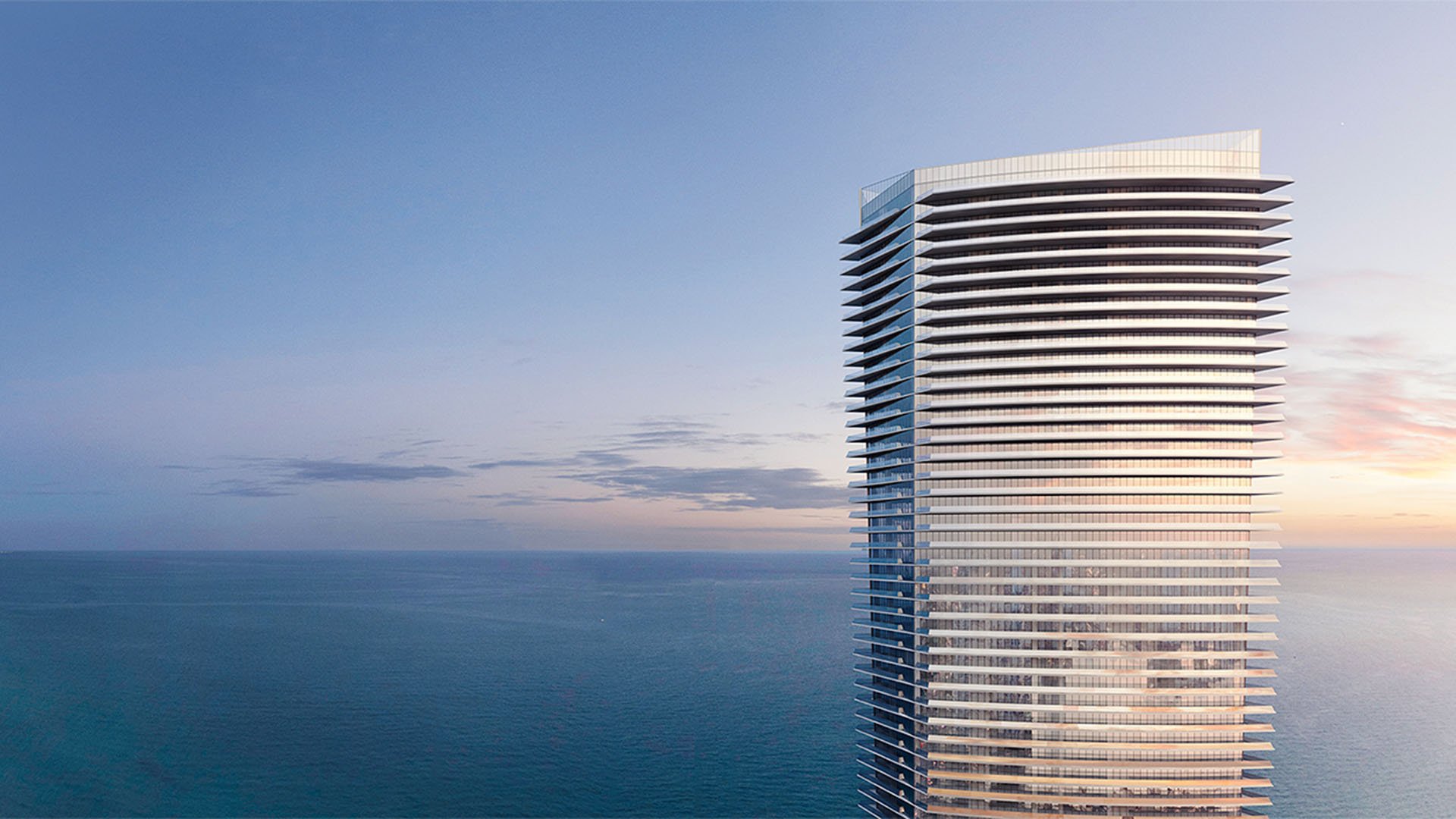
At Armani Casa Sunny Isles Beach, located at 18975 Collins Avenue, changes in coastal property and windstorm insurance pricing can flow through the association’s master policy into owners’ monthly expenses. Regalia Sunny Isles Beach calls for the same document-based review: buyers should not infer protection from the building’s identity.
Neither address should be ranked on insurance strength without current policy documents. The meaningful comparison is not which residence appears better protected, but how each association’s coverage, deductibles, and financial arrangements work with the buyer’s own insurance.
Begin with two distinct layers. The association generally insures condominium property as originally installed, including the structure, roof, common elements, and like-kind replacements, subject to statutory exclusions. Certain excluded property remains the unit owner’s insurance responsibility.
The owner’s HO-6 policy cannot be evaluated in isolation. Ask an insurance professional to identify where association coverage ends, where personal coverage begins, and whether the proposed owner policy addresses that boundary. For a highly customized residence, request a specific review of finishes and improvements rather than assuming everything within the apartment falls under one policy.
Review the governing documents alongside both insurance contracts. They help clarify responsibility and allocation; the policy language establishes the coverage purchased. A statement that the building is insured is a starting point, not a complete answer.
Replacement cost sounds reassuring, but the phrase alone does not establish whether the insured limit is adequate or how a claim will be settled. Request the master-policy declarations and endorsements, then confirm the valuation basis, insured limits, appraisal date, coinsurance provisions, and ordinance-or-law coverage.
Each item answers a distinct question. What property value supports the policy? How much coverage has been purchased? How current is the appraisal underlying that decision? What conditions could affect recovery? What protection addresses covered rebuilding costs associated with applicable codes or laws?
These are review questions, not confirmed features of either association’s insurance program. Ask the association’s insurance representative to explain the answers in writing and tie them to the relevant policy provisions. That explanation is more useful than a broad assurance of replacement-cost coverage.
For buyers also considering Jade Ocean Sunny Isles Beach, the same framework allows a consistent comparison without implying that neighboring buildings carry equivalent limits or terms.
Review a hurricane or named-storm deductible in three parts: the applicable deductible, the valuation base to which it applies, and its dollar equivalent. A percentage without its underlying base cannot meaningfully establish potential exposure.
Once the association-level amount is clear, ask how an uninsured portion of a covered loss could be allocated under the governing documents. Do not simply divide the building deductible by the number of residences. Obtain the applicable allocation provisions and have the potential unit-level responsibility explained before deciding what personal protection to purchase.
Then connect that analysis to the HO-6 endorsement. Ask whether loss-assessment coverage responds to assessments arising from the association’s hurricane deductible, what limit applies, and which exclusions or conditions could restrict payment. Written confirmation is preferable to a general statement that assessments are covered.
Do not treat wind coverage as flood coverage. Verify protection for storm surge and other rising-water losses separately, including how any association protection relates to the owner’s policy.
Florida Statute 627.714 requires condominium unit-owner residential property policies issued or renewed on or after July 1, 2010, to include at least $2,000 in property loss-assessment coverage. That statutory floor is not a tailored limit for a particular residence.
The minimum applies to all assessments resulting from the same direct property loss, regardless of how many assessments are issued. Multiple notices connected to one loss do not create a fresh statutory minimum each time. Coverage is also tied to a loss covered by the owner’s policy, not every obligation the association may impose.
The loss-assessment deductible may not exceed $250 per direct property loss. If the owner’s policy deductible already applies to the owner’s property damage from that same loss, the loss-assessment coverage deductible does not also apply.
Evaluate higher limits with an insurance professional, but review the endorsement as carefully as the amount. A larger limit does not resolve an excluded cause of loss or an uncovered assessment. Do not assume that ordinary reserve contributions, routine capital projects, or assessments caused solely by inadequate reserves qualify.
For each building, request current declarations, endorsements, renewal documents, claims history, governing documents, and financial statements. Read them together to assess premium costs, coverage terms, and possible owner obligations as parts of the same financial picture.
Keep recurring insurance expense separate from contingent loss exposure. Monthly association expenses reflect one part of ownership; a deductible allocation after a covered event presents a different question. Neither fully explains the other.
Request wind-mitigation inspection documentation as well. Documented mitigation features can support premium discounts, and buyers should verify that inspectors are authorized under Section 627.711(2)(a). Treat the record as relevant to the insurance-cost review, not as a guarantee of a particular premium or comprehensive storm protection.
A broader search that includes Turnberry Ocean Club Sunny Isles should use the same document checklist. Architectural distinction is not a substitute for policy comparison, and insurance paperwork is not evidence of milestone-inspection or structural-reserve compliance.
The strongest purchase decision connects three answers: what the association insures, what it retains through deductibles or coverage gaps, and what the owner’s policy can absorb. Armani/Casa and Regalia frame that conversation without supporting a conclusion that either has superior insurance protection.
Before committing, seek a written explanation of replacement valuation, wind-deductible exposure, and loss-assessment response for the specific residence. The objective is not a promise of zero risk, but a clear understanding of the obligations that accompany ownership.
For a discreet perspective on South Florida’s luxury residential market, explore MILLION.
If branded residences are on your mind — as a home or as an allocation — we would be glad to share what we are seeing, privately.
Begin a quiet conversationNeither building should be ranked without current master-policy documents and governing documents. Compare actual coverage, deductibles, and potential owner obligations rather than building identity.
The association generally insures condominium property as originally installed, including the structure, roof, common elements, and like-kind replacements, subject to statutory exclusions.
Certain property excluded from association coverage is the owner’s insurance responsibility. Reviewing both policies helps identify coverage boundaries and potential gaps.
Request declarations and endorsements, then confirm valuation, insured limits, the appraisal date, coinsurance provisions, and ordinance-or-law coverage.
Confirm the deductible, its valuation base, and its dollar equivalent. Then review governing documents to understand how potential owner responsibility would be allocated.
Wind coverage should not be treated as flood coverage. Verify protection for storm surge and other rising-water losses separately.
Florida Statute 627.714 requires at least $2,000 for condominium unit-owner residential property policies issued or renewed on or after July 1, 2010. The minimum applies collectively to assessments arising from the same direct property loss.
The deductible may not exceed $250 per direct property loss. It does not also apply when the owner’s policy deductible already applies to the owner’s property damage from the same loss.
No, statutory protection is tied to a loss covered by the owner’s policy. Do not assume it pays ordinary reserve contributions, routine capital projects, or assessments caused solely by inadequate reserves.
Buyers should obtain written confirmation that their endorsement covers assessments arising from that deductible. Evaluate higher limits alongside the endorsement’s conditions and exclusions.