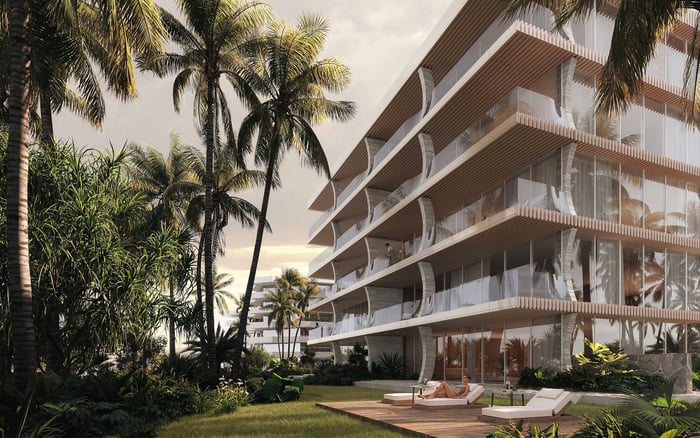
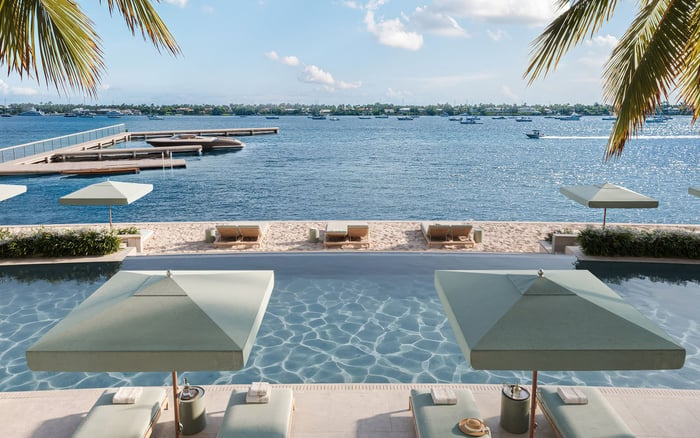
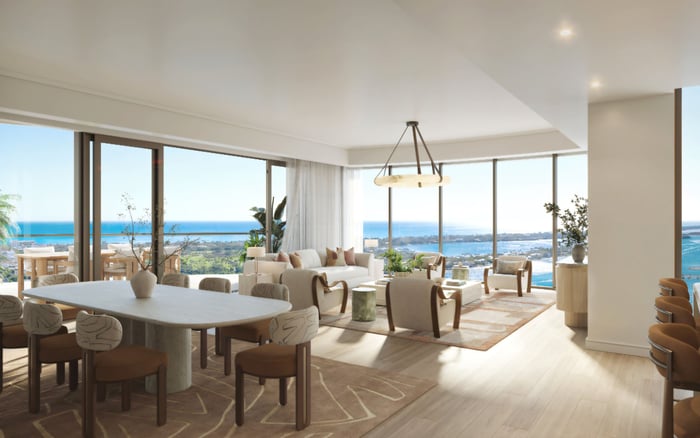
Banyan Tree and Rosewood advertise distinct wellness experiences. Buyers should look beyond the amenity inventory to evaluate practical capacity, residence-specific air and water systems, access rules, and the cost of daily use.
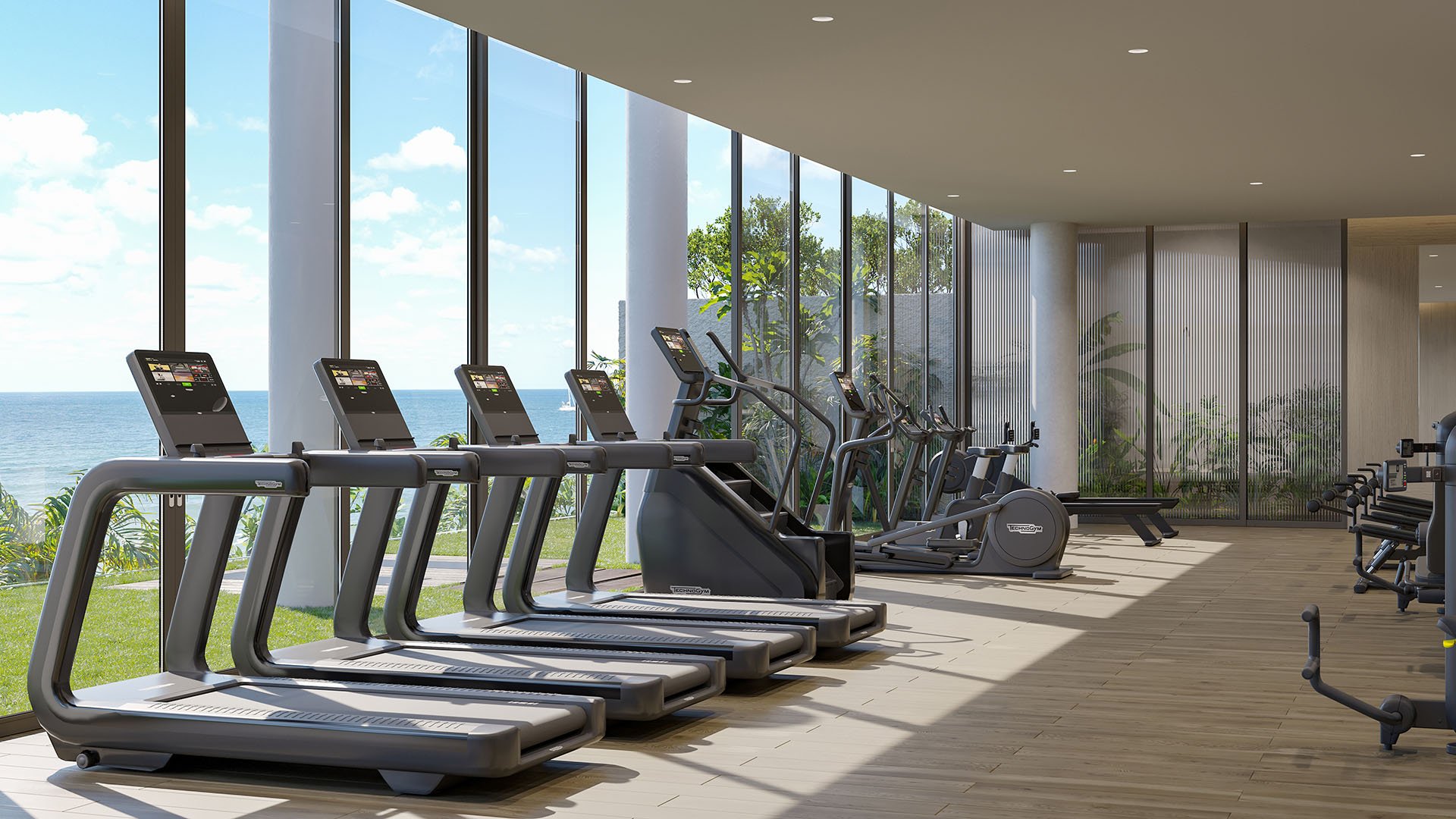
The most persuasive wellness amenity is the one that fits naturally into an owner's day. A quiet treatment room, an available training space, or an unhurried recovery session matters more than a long list of facilities. For buyers comparing Banyan Tree Residences West Palm Beach and Rosewood Residences Hillsboro Beach, the central question is not simply what is advertised, but how the experience would work during the hours they intend to use it.
Both projects have substantial advertised wellness offerings. These should be treated as advertised or planned amenities-not proof of completed facilities, current operations, or final condominium obligations. A disciplined comparison separates four issues: the spaces themselves, their usable capacity, the residence's environmental systems, and the rules governing access and payment.
At Banyan Tree Residences West Palm Beach, the advertised wellness floor is anchored by a full-service spa and an expansive reflection and meditation garden. A dedicated Meditation Dome adds another setting for contemplative practice, while indoor and outdoor fitness spaces broaden the proposed daily routine.
The planned recovery offering is notably varied: rainforest showers, hammam, steam room, sauna, soaking baths, cold plunge, cryotherapy, and an ice fountain. A serviced pool and cabanas extend the relaxation experience outdoors. For a buyer who values meditation and varied recovery rituals, the program warrants a closer look. Its range alone, however, does not establish availability.
At Rosewood Residences Hillsboro Beach, the advertised spa and wellness center includes relaxation rooms, private treatment rooms, steam rooms, saunas, and rain showers. The planned offering also includes separate his-and-hers spas with hydro pools and cold plunge pools, plus an outdoor spa with sunbeds and cabanas.
The planned program at Rosewood includes two fitness spaces, a yoga room, and a private salon. Two fitness spaces represent a meaningful facility count, but that count does not reveal how many residents can train comfortably at once. Neither project's amenity inventory establishes superior day-to-day access.
Ask each sales team for a facility-by-facility schedule showing treatment-room counts, equipment inventories, class limits, hydrothermal occupancy limits, staffing, and operating hours. Pair those details with the number of residences entitled to share each space. Without both sides of that comparison, square footage and room counts offer an incomplete picture.
Test capacity against your household's routine. A buyer seeking an early workout needs different answers from one planning afternoon treatments with a spouse. Ask whether equipment is duplicated, whether classes occupy otherwise usable training areas, and whether treatment rooms can operate simultaneously with the proposed staffing.
For recovery spaces, distinguish permitted occupancy from the reservation model. A cold plunge's user limit does not tell you whether sessions are private, shared, timed, or walk-in. Request cleaning intervals, maintenance closures, and session lengths. The useful measure is access during your preferred window, not theoretical use across an entire day.
A wellness identity should never substitute for residence-specific mechanical specifications. The amenity descriptions discussed here do not establish contractual specifications for in-unit HEPA filtration or potable-water filtration at Banyan Tree. Nor do they establish HVAC filtration ratings, in-unit air-purification equipment, or potable-water treatment specifications at Rosewood. That is a reason to request documentation, not to conclude that particular systems are absent.
For air quality, request the equipment schedule and filtration rating for the actual residence, not merely the spa or lobby. Clarify outdoor-air provisions, humidity controls, any supplemental purification equipment, and responsibility for filter changes. Ask which features are included at delivery, which are optional, and which appear in the purchase documents. Oceanfront exposure alone does not establish indoor air quality.
For water, ask where treatment occurs: building entry, residence entry, or individual fixtures. Request the filtration technology, contaminant-reduction certifications, covered outlets, maintenance schedule, and replacement costs. Confirm whether a proposed system serves only drinking taps or additional fixtures. Included water service is not evidence of filtration, and spa-water treatment should not be confused with potable-water treatment.
Apply the same documentation standard to a broader shortlist that includes The Well Bay Harbor Islands. Evaluate each residence's written specifications independently rather than carrying assumptions over from a project's wellness positioning.
The amenity descriptions discussed here do not establish the reservation terms needed for a meaningful comparison. Request written advance-booking windows, cancellation and no-show fees, session limits, waitlist procedures, and owner-priority policies. Ask how recurring appointments work and whether a household can hold multiple future reservations. An attractive facility can be a poor fit if its booking structure conflicts with an owner's schedule.
Banyan Tree's spa is advertised as resident-only, with a wellness concierge, but those terms do not establish guest eligibility or reservation procedures. Clarify access for owners, tenants, children, overnight guests, and outside trainers. Its advertised Children's Discovery Center and Pet Retreat should not be interpreted as permission for children or pets to enter the spa.
Apply the same questions at Rosewood. Request guest quotas, accompaniment requirements, age restrictions, and rules for reserving treatments for visiting family. For both projects, ask who can amend access policies and whether proposed rules are final or remain subject to change.
Do not assume that spa access includes treatments, classes, or personal training. Obtain an itemized schedule distinguishing facilities covered by common charges from appointments, instruction, and other services billed separately. Ask about minimum charges, packages, gratuities, and cancellation costs without presuming any particular fee structure exists.
At Rosewood, residential butler services are advertised, while à la carte services are to be performed by third parties for an additional fee. Clarify which wellness services fall into that category, who delivers them, and how appointments and billing are handled. At Banyan Tree, the advertised holistic wellbeing and fitness program does not establish class sizes, schedules, or staffing levels.
Before committing, assemble a comparison sheet covering planned facilities, usable capacity, air specifications, water treatment, booking rights, and recurring costs. Mark each answer as contractually documented, proposed, or awaiting clarification. Have the relevant purchase documents and condominium provisions reviewed alongside technical schedules rather than relying on a presentation alone.
Banyan Tree's meditation-specific spaces and varied recovery offering may suit one household; Rosewood's two fitness spaces and extensive spa program may suit another. The stronger choice is the one whose documented systems, access terms, and service costs best support the routine you will actually keep.
For a discreet conversation about aligning your South Florida residence search with your wellness priorities, connect with MILLION.
If branded residences are on your mind — as a home or as an allocation — we would be glad to share what we are seeing, privately.
Begin a quiet conversationIts advertised offering includes a wellness floor, a full-service spa, a reflection and meditation garden, and a Meditation Dome. Its planned recovery amenities include a hammam, cold plunge, cryotherapy, and an ice fountain.
The advertised offering includes extensive spa facilities, two fitness spaces, a yoga room, and a private salon. The planned spa offering includes treatment and relaxation rooms, hydro pools, and cold plunge pools.
Neither amenity inventory establishes superior availability. Buyers need occupancy limits, staffing, hours, booking terms, and the number of residences sharing each facility.
The advertised offerings do not establish completed facilities or current operations. Buyers should confirm delivery status and final obligations in the relevant documents.
The amenity descriptions discussed here do not establish contractual, residence-specific HEPA filtration. Request the actual equipment schedule, filtration rating, and purchase specifications.
The summarized amenities do not establish those specifications. Ask for treatment locations, filtration technology, certifications, covered fixtures, and maintenance costs.
Request advance-booking windows, cancellation and no-show fees, session limits, waitlists, and owner-priority policies. Also clarify recurring appointments and limits on future reservations.
Not necessarily; the wording alone does not establish guest eligibility. Obtain written rules for accompanied visitors, overnight guests, tenants, children, and outside trainers.
Buyers should not assume they are included. Rosewood's advertised à la carte services involve third-party providers and additional fees; obtain an itemized schedule at each project.
Collect facility and staffing schedules, residence-specific air and water specifications, access rules, and itemized costs. Review them alongside the purchase documents and condominium provisions.