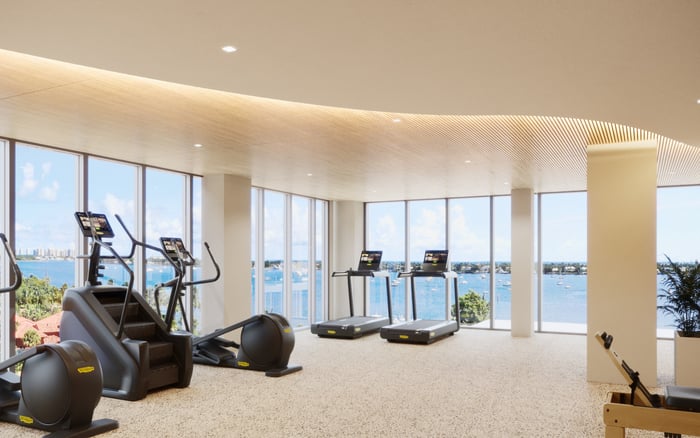
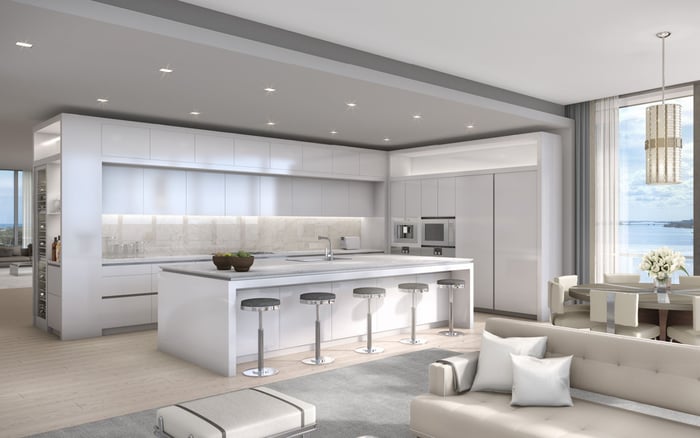
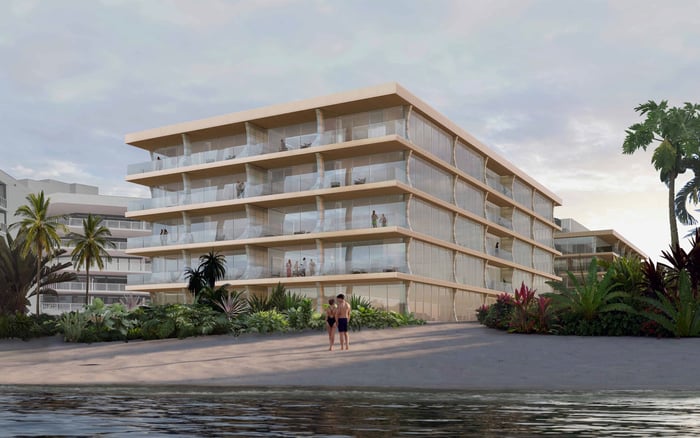
At Alba West Palm Beach, a panoramic outlook should be evaluated alongside exposure, interior comfort, glazing documentation, terrace usability, and storm planning. Unit-specific diligence helps buyers determine whether a view premium suits their routines and priorities.
At Alba West Palm Beach, buyers considering a premium for the outlook should examine more than the initial impression. Orientation, elevation, terrace geometry, and glazing performance can influence how a residence feels throughout the day.
Large windows and outdoor spaces can strengthen the connection to the water, but the building envelope also affects glare, solar heat, privacy, storm protection, and the comfort of rooms nearest the facade. Buyers should therefore verify the specifications that apply to the selected residence rather than rely on broad marketing descriptions.
The best view is the one that remains comfortable when the sun is least forgiving.
A polished midday presentation cannot answer every relevant question. A more useful inspection is timed to the residence itself: morning for east and southeast exposures, and late afternoon for west-facing rooms. Observe whether direct sun reaches seating areas, screens, art walls, and kitchen worktops. Note when shades become necessary and whether closing them compromises the outlook carrying the premium.
Two residences at the same height may perform differently. A corner exposure can offer a varied panorama, but it should be assessed when direct light reaches the glass. This is why a view comparison should be unit-specific rather than applied uniformly across a tower.
Visit more than once if possible. A clear morning can reveal glare and reflection, a warm afternoon can help identify heat accumulation, and an overcast visit can show how much natural light remains without direct sun. Stand at seated eye level, not only against the glass. Check the outlook from the primary bedroom, bathroom, kitchen, and principal sofa position. A compelling photograph may have been composed from a point where an owner rarely spends time.
Buyers considering other Flagler Drive choices, including Forté on Flagler West Palm Beach, can apply the same protocol. The purpose is not to declare one orientation universally superior, but to determine which exposure best suits the buyer's schedule, furnishings, tolerance for bright light, and willingness to operate shades.
Buyers should not treat impact resistance, solar performance, and glare control as interchangeable. Request the exact window assembly for the selected residence, including the glass make-up, coatings, solar heat gain coefficient, visible-light transmittance, product documentation, and warranties.
The applicable ratings and documents should be reviewed rather than inferred from general descriptions of the glazing. Ask whether specifications vary by facade, door type, or residence. Confirm who administers warranty claims and whether glass coatings require particular cleaning methods.
When comparing The Ritz-Carlton Residences® West Palm Beach or another premium tower, ask the same questions. Consistent diligence produces a more useful comparison than brochure terminology.
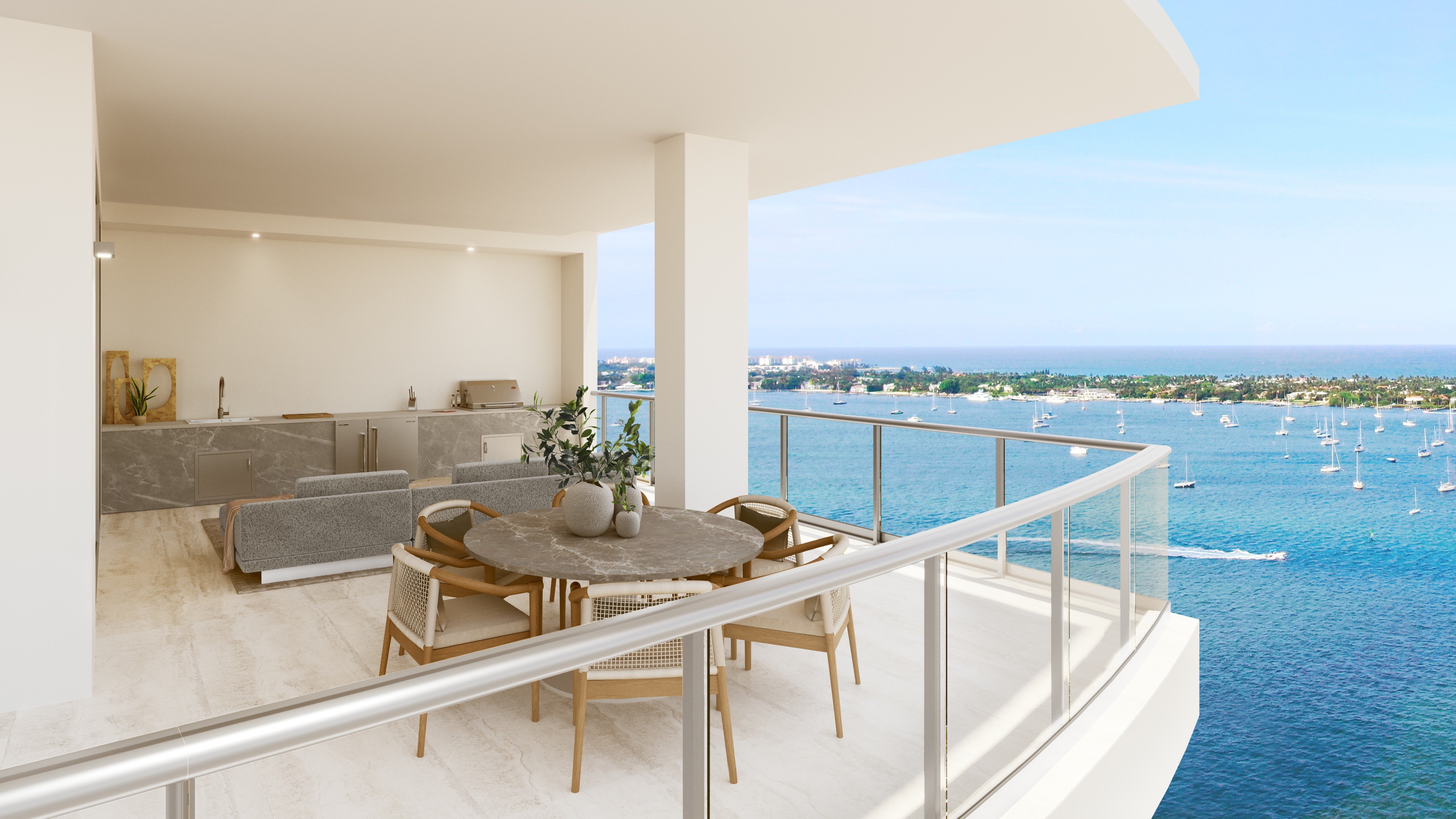
Terrace depth may improve outdoor usability and shade adjacent interiors, but its effect depends on the specific stack, floor, sun angle, and surrounding exposure. An overhang can soften direct light at certain hours while also changing the sky view from rooms set farther behind the facade.
Walk from the interior to the terrace and back again. Check whether the overhang shades the glass when the sun is strongest, whether reflected light rises from the water or neighboring surfaces, and whether an outdoor kitchen or other fixed features affect dining and lounging space. Test sightlines while seated, and consider where furniture can remain without narrowing circulation.
This is the practical meaning of a water-view premium: not simply how much water is visible, but how effectively the residence mediates between view and climate. Buyers weighing nearby options such as Shorecrest Flagler Drive West Palm Beach should compare usable shade and interior comfort alongside the breadth of the panorama.
A high-floor home should not end a buyer's review of waterfront conditions. Storm diligence can include flood exposure, evacuation planning, parking, backup power, water-intrusion procedures, and the practical ability to return after severe weather.
Verify current flood information for the parcel, garage, surrounding roads, and likely access routes. Separately confirm the applicable evacuation information. Buyers should obtain current documentation from the appropriate parties rather than make assumptions based on floor height.
Request clear answers about garage conditions, generator coverage, elevator availability, domestic water support, loading and service access, and post-storm inspection protocols. Determine which common areas and residence systems receive backup power. Ask how management communicates before and after a named storm, how water intrusion is documented, and what conditions govern re-entry. Insurance review should address the selected unit as well as relevant association documents, coverage, and deductibles.
The central lesson for waterfront purchases is simple: price the view only after testing the conditions that accompany it. Compare similar floors and orientations, revisit at demanding sun hours, and place glazing and storm-document requests on the diligence calendar. If shades, films, or specialized treatments may be desired, confirm building rules and warranty implications before assuming they are permissible.
For a buyer-focused evaluation, the most persuasive residence is not necessarily the one with the widest first impression. It is the one whose light, temperature, terrace shade, operating considerations, and resilience remain compatible with the owner's routines. At Alba West Palm Beach, fine print should be treated as part of the luxury decision rather than an afterthought.
For discreet guidance on evaluating South Florida's premium waterfront residences, connect with MILLION.
If branded residences are on your mind — as a home or as an allocation — we would be glad to share what we are seeing, privately.
Begin a quiet conversationOrientation, sun angle, terrace shade, and glazing can affect comfort. A timed visit can reveal conditions that marketing images do not show.
Visit east and southeast exposures in the morning to evaluate direct sun, reflections, and shade use.
Evaluate west-facing rooms late in the day to observe direct sun, heat accumulation, reflections, and reliance on shades.
Request the glass make-up, coatings, solar heat gain coefficient, visible-light transmittance, product documents, and applicable warranties.
No. Buyers should review each performance characteristic separately and verify the specifications for the selected residence.
Specifications may differ by facade, opening type, or residence. Unit-specific documents provide a sounder basis for comparison.
A terrace overhang may shade adjacent glass at certain hours, but the result depends on the stack, floor, sun angle, and exposure.
No. Buyers should still verify current parcel, garage, road-access, evacuation, and insurance information.
Review generator coverage, elevators, water support, garage conditions, communications, intrusion protocols, and post-storm access procedures.
Use consistent inspection times and document requests, then compare orientation, shade, glazing, terrace usability, and storm planning.