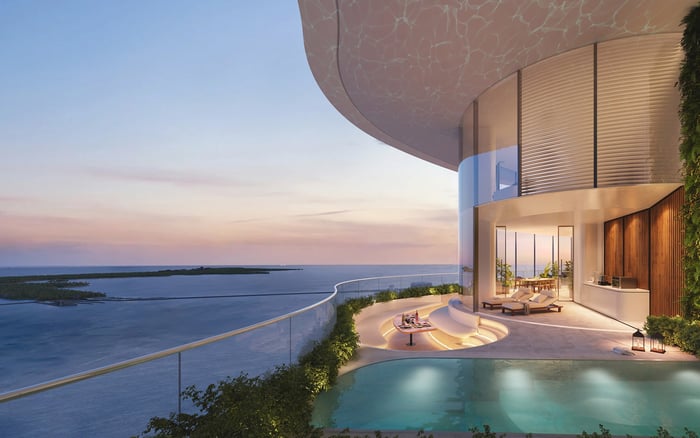
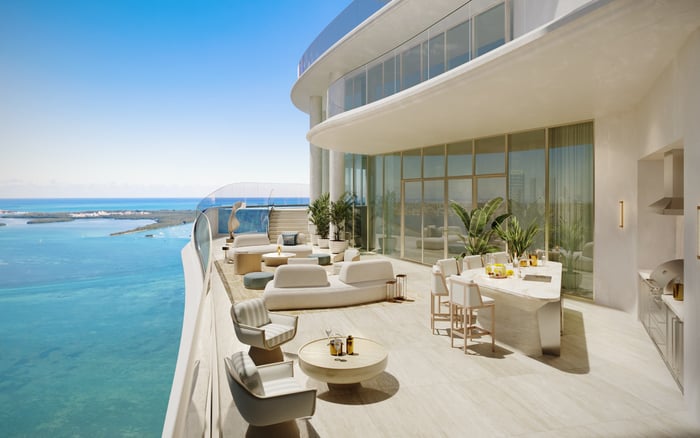
At 619 Brickell, sophisticated wellness and smart-home specifications do not, by themselves, confirm outage resilience. Buyers should seek the emergency load schedule, electrical one-line diagram, generator specifications, fuel plan, and written operating priorities before assuming that residential or convenience loads will remain available.
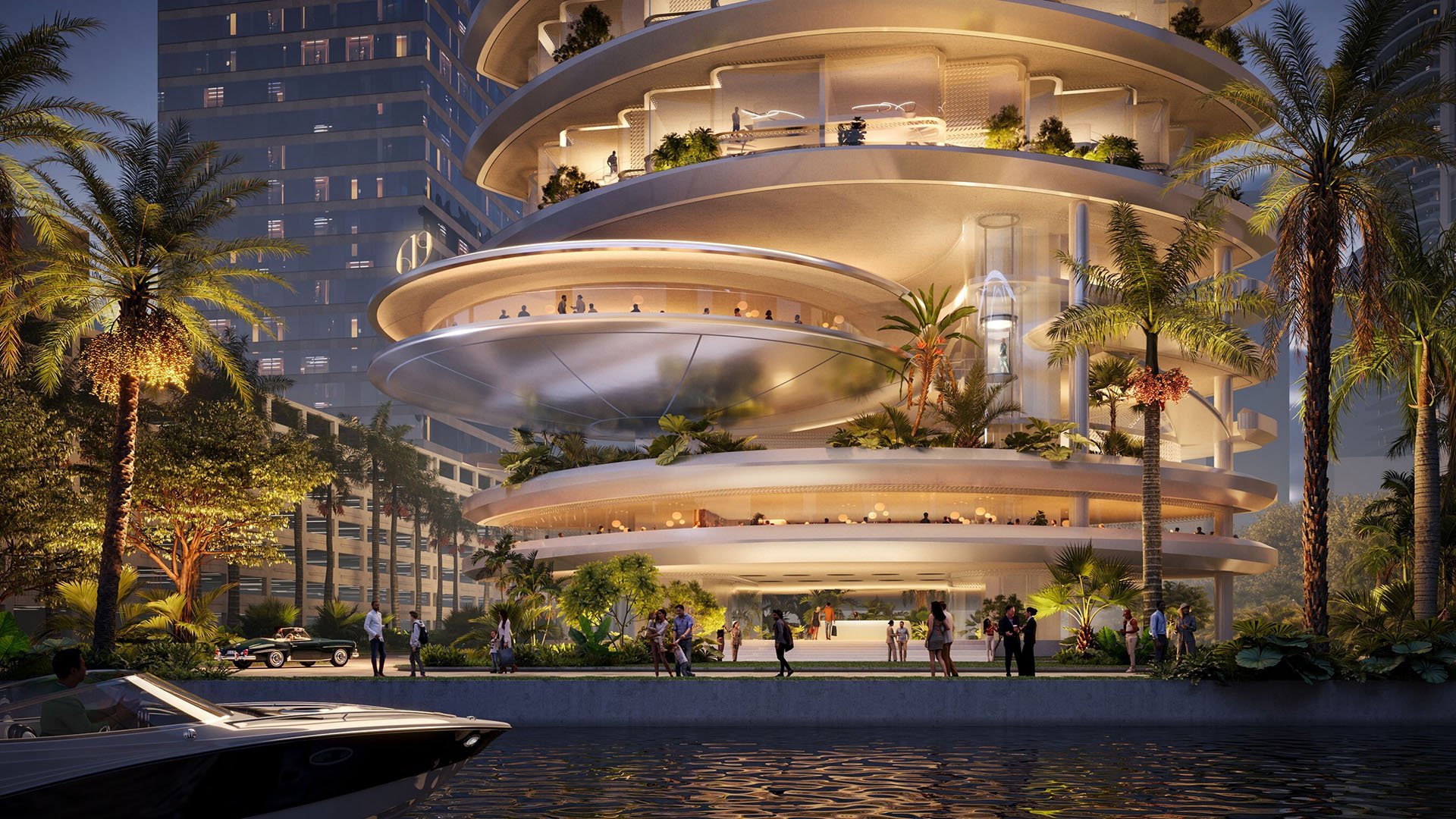
Waterfront architecture, hospitality, and advanced residential systems converge at 619 Residences by Foster + Partners + Nobu Hospitality in Brickell. For buyers, however, the essential emergency-power question is not simply whether the building has a generator. The issue is which loads it serves, for how long, and under what operating priorities.
The available information does not provide a unit-by-unit emergency-power schedule or expressly confirm generator-backed circuits within residences. That does not establish an absence of backup power; it means the precise scope remains unconfirmed and should be verified through project-specific technical and contractual documents.
Code-required life-safety power, optional standby power, and broader residential backup are materially different. Marketing language about technology, comfort, or wellness cannot replace an electrical load schedule that identifies the equipment and circuits connected to an alternate source.
Residential specifications emphasize air purification, whole-home water treatment, climate and humidity controls, smart-home functions, lighting controls, and keyless entry. These features may shape daily comfort, but their presence does not demonstrate that they will remain operational when utility service fails.
Buyers should obtain written confirmation before assuming that refrigerators, residential lighting, receptacles, air conditioning, water-treatment equipment, smart-home controls, network hardware, motorized shades, or entry systems are generator-backed. Wiring and control-system specifications describe how components are installed or managed; they do not, on their own, identify the emergency-power source.
The same discipline is useful when comparing nearby new-construction options such as The Residences at 1428 Brickell. Finish quality, building technology, and emergency-power scope should be evaluated separately.
Shared spaces and building systems require their own review. Buyers should request written confirmation covering elevator operation, domestic-water booster pumps, garage gates, access control, security, communications, corridor and stair lighting, cooled common areas, and resident-service spaces.
A connection to emergency power does not necessarily mean every elevator or shared amenity will operate normally throughout an outage. Buyers should ask whether elevator service is continuous, limited, or rotated and whether cooling is confined to designated areas.
This distinction is especially relevant in branded residences, where service and hospitality programming are central to the ownership experience. Buyers comparing St. Regis® Residences Brickell should apply the same standard: identify which building functions are supported and which may pause when utility power is unavailable.
The most useful starting point is the emergency-power narrative and load list. It should identify the alternate source and specify each connected load. A general statement that a building has a generator is incomplete because it does not define the actual scope of support.
The electrical one-line diagram is equally important. It should show how relevant panels and systems connect to the alternate source. A buyer's attorney and qualified technical adviser can compare that diagram with the load list, residence specifications, and condominium documents to identify inconsistencies or unanswered questions.
Generator plans and equipment specifications can also clarify placement, system configuration, and related infrastructure. For a waterfront tower, this technical review belongs alongside broader diligence concerning storm preparation, water management, access, and building operations.
Capacity is only one part of outage resilience. Written confirmation should address fuel type, storage, expected operating duration at the scheduled load, refueling arrangements, testing, maintenance responsibility, and the sequence used to prioritize systems after an outage.
Buyers should also ask what happens if demand must be reduced. Relevant questions include whether elevators are rotated, whether cooling is limited to selected areas, whether domestic-water pumps take priority over convenience loads, and whether garage access, security, and communications remain supported. These questions are also appropriate when evaluating Una Residences Brickell or other South Florida high-rise residences.
Requirements that may apply to specialized or regulated facilities should not be treated as automatic proof of coverage in a conventional luxury condominium. The applicable project documents must establish the actual residential and common-area backup scope.
The prudent position is neither alarmist nor assumptive. The absence of a public residential load schedule does not prove that the project lacks alternate power, nor does it establish the extent of any coverage. It means buyers need written, project-specific answers.
Before purchase, the diligence file should identify supported loads, connected panels, equipment location, fuel arrangements, testing procedures, maintenance responsibility, and the operating hierarchy during an outage. Any representation that affects a purchase decision should be reconciled with the governing documents and reviewed by appropriate legal and technical advisers.
Does 619 Brickell publicly promise generator power inside every residence? No unit-by-unit schedule or express promise of generator-backed residential circuits is identified in the available information.
Does a building generator mean the entire tower remains operational? No. The actual coverage depends on the connected loads, available capacity, fuel, and operating priorities.
Are refrigerators and residential outlets confirmed as backed up? No. Buyers should not assume backup for refrigerators, outlets, or general residential lighting without written confirmation.
Will residential air conditioning continue during an outage? That remains unconfirmed unless the relevant equipment and circuits appear on the emergency load schedule.
Are air purification and water-treatment systems outage-resilient? Their presence in a residence does not establish emergency-power coverage. The connected-load documentation must confirm whether they remain operational.
What should buyers ask about elevators? Ask how many elevators are connected, how they operate during an outage, and whether service is continuous, limited, or rotated.
Why do domestic-water booster pumps matter? Buyers should verify whether the pumps serving the tower are included among the supported emergency loads.
Which technical documents are most revealing? The emergency load list identifies supported equipment, while the electrical one-line diagram shows the relevant panels and power path.
What fuel details should be confirmed? Confirm the fuel type, storage plan, expected duration at the scheduled load, refueling arrangements, and operating priorities.
Who should review the emergency-power documents? Buyers should consider review by their attorney and a qualified technical adviser before relying on the stated backup-power scope.
For a confidential assessment and a building-by-building shortlist, connect with MILLION.
If branded residences are on your mind — as a home or as an allocation — we would be glad to share what we are seeing, privately.
Begin a quiet conversation