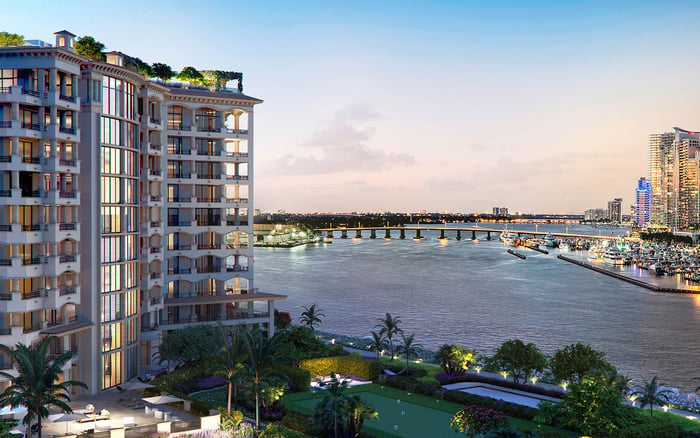
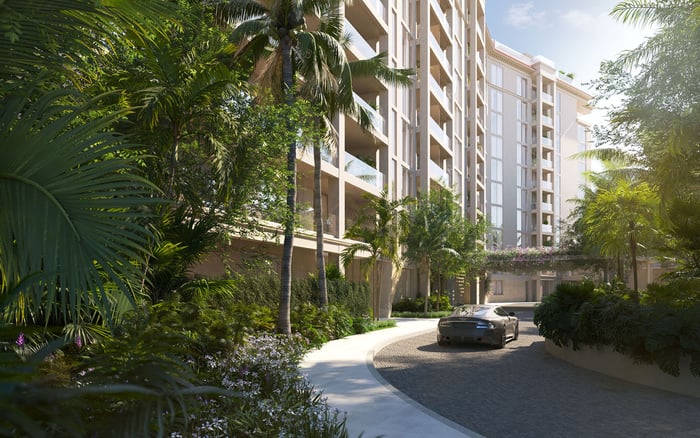
A practical due-diligence framework for separating island access, club hospitality, condominium governance, rental permissions, reserve exposure, and owner privacy before acquiring a seasonal Fisher Island residence.

A seasonal residence on Fisher Island can feel inherently private, yet its legal and operational framework is more layered than the setting suggests. Buyers should distinguish four systems: island access administered through FICA, Fisher Island Club membership and hospitality, the governing condominium or homeowners’ association, and the owner’s own lease or guest arrangements.
That distinction matters because Fisher Island is primarily condominium-based, with 21 condominium associations and two homeowners’ associations governing their respective properties. Island-wide custom should never be mistaken for a building-level right. The relevant diligence categories include Gated-community access, Condo-hotel separation, Second-home operations, and Long-term-rentals.
Fisher Island has no public road or casual walk-on access. It is reached by private ferry, yacht, helicopter, or private boat, and visitors require advance clearance. FICA transportation operates around the clock, while arriving guests must present government identification or an authorized FastAccess pass.
Guest names and vehicle details should be submitted in advance. Social visitors, contractors, and vendors may also be subject to different credentials and security procedures. For a seasonal owner, the practical question is not simply whether access is controlled, but who may authorize each category of arrival, how far in advance approval is required, and what occurs outside normal office hours.
This review should be completed for any candidate residence, whether the search includes Palazzo del Sol or another Fisher Island association. The answer lies in the governing documents and current operating procedures-not in assumptions about the island as a whole.
Fisher Island Club is a private, membership-only club with 15 all-suite accommodations. Its hospitality inventory includes historic cottages and courtyard villas centered on the original Vanderbilt mansion. Club cottages are available to guests sponsored by club members, rather than ordinary unsponsored hotel customers.
The hospitality footprint is operationally distinct from owner-condominium inventory. That differs materially from a conventional condo-hotel model, where transient stays may circulate throughout a residential tower. Even so, buyers should identify the routes, amenities, arrival areas, and common spaces available to club guests relative to the target building.
For a residence under consideration at Palazzo della Luna, counsel should still verify the association’s guest definitions, occupancy limits, access controls, and enforcement history. Club sponsorship does not resolve a condominium question.
A resort environment does not necessarily imply short-term residential leasing. A six-month minimum rental term has applied to at least one Fisher Island residence. Before modeling rental income or personal scheduling, review the controlling declaration, rules, rental addenda, application procedures, approval timelines, fees, and recent board minutes.
Nor should club privileges be presumed to accompany a lease. Certain residence rental terms have specified daily club-access charges of $150 plus tax for two adults and children under 18, plus $100 plus tax for each additional adult. Payment is made directly to the membership office, and access may not begin until the following day if arrival occurs after office hours. These terms can change and should be reconfirmed directly.
A buyer comparing The Residences at Six Fisher Island should require the lease file to answer three separate questions: May the residence be rented? May the tenant enter the island? May the tenant use club amenities? Each may have a different answer.
The available file does not establish building-specific furniture, fixtures, and equipment reserve requirements, furnished-rental replacement schedules, or reserve balances. The absence of a stated figure is not evidence that no obligation exists.
Request the current budget, reserve study, financial statements, capital plan, insurance information, recent assessments, and board minutes. Then distinguish association-owned FF&E in shared spaces from owner-owned furnishings within the residence. If the home will be leased furnished, create a separate replacement schedule for upholstery, linens, appliances, outdoor furniture, technology, art handling, storage, and turnover damage.
The same discipline applies to estate-format options such as The Links Estates at Fisher Island. Ownership form and governing documents determine the exposure; island reputation does not.
Privacy begins with controlled arrival, but extends through daily circulation. FICA rules prohibit obstructing common areas or using them for unintended purposes, including storing carts, bicycles, furniture, and similar personal property. Visiting rules also restrict photography in private or signposted areas.
A buyer should walk the actual route from ferry arrival to residence entry, parking, elevators, amenities, service access, and deliveries. Ask how guest credentials expire, how household staff are processed, whether vendors are escorted, where packages wait, and how violations are recorded. Residence-owner privacy is strongest when physical planning, written rules, and consistent enforcement align.
Before contingencies expire, obtain the declaration and amendments, bylaws, current rules, budgets, reserve materials, rental addenda, applications, fee schedules, insurance records, and recent board minutes. Add written confirmation of club eligibility, sponsorship procedures, tenant charges, office-hour limitations, and guest access.
The objective is not to eliminate hospitality from Fisher Island. It is to know precisely where hospitality ends and residential control begins, then determine whether that boundary suits the owner’s preferred seasonal rhythm.
Can the public casually visit Fisher Island? No. Access is limited to residents, authorized hotel guests, and invited visitors with confirmed accommodations or sponsorship.
Does the ferry operate only during daytime hours? FICA’s transportation system operates around the clock, although arrivals remain subject to identification and authorization controls.
Are club cottages located inside residential condominium inventory? No. Club cottages and guest lodgings are operationally separate from owner-condominium inventory.
Can unsponsored travelers book a club cottage? Club cottages are reserved for guests sponsored by Fisher Island Club members.
Does a residential lease automatically include club access? No. Tenant club access may require separate daily payments and administrative processing.
Are short-term rentals automatically permitted? No. A six-month minimum has applied to at least one residence, and each association’s current documents control.
What should be reviewed for FF&E exposure? Review budgets, reserve studies, capital plans, assessments, minutes, and any furnished-rental replacement obligations.
May personal items be stored in common areas? FICA rules restrict obstructions and the storage of carts, bicycles, furniture, and similar items in common areas.
Are guests and contractors processed identically? No. The rules distinguish guest credentials from contractor and vendor access controls.
What is the central privacy test for a buyer? Confirm that arrival controls, circulation paths, building rules, vendor procedures, and enforcement match the owner’s expectations.
If you'd like a private walkthrough and a curated shortlist, connect with MILLION.
If branded residences are on your mind — as a home or as an allocation — we would be glad to share what we are seeing, privately.
Begin a quiet conversation