
2200 Brickell’s advertised workspaces offer an appealing setting for remote work. Buyers should separately confirm internet delivery, cellular reception, network privacy, and backup-power coverage before treating those amenities as a continuity plan.
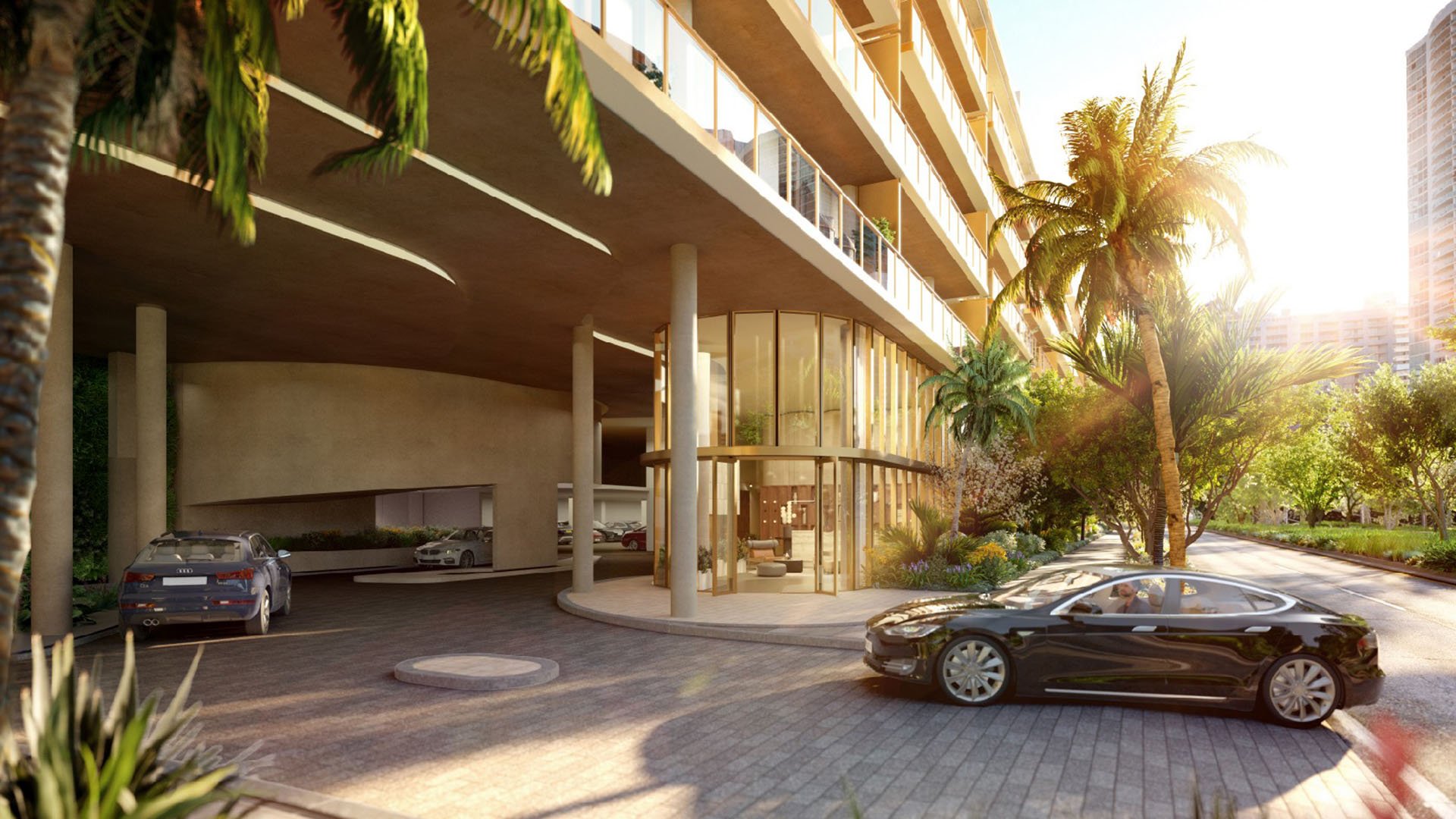
For a buyer whose home also serves as an executive office, connectivity deserves the same scrutiny as the floor plan. At 2200 Brickell, wellness-focused amenities and dedicated work-from-home spaces offer an appealing proposition on Miami’s Brickell Avenue. The essential distinction is between a place designed for work and infrastructure specified to support it.
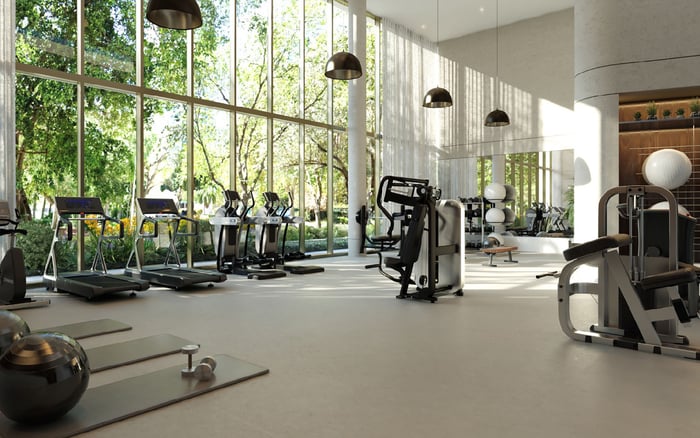
Advertised amenities include work-from-home suites with a conference room known as “The Think Tank,” alongside an outdoor co-working lounge. The one-acre rooftop sanctuary includes a pool, cabanas, summer kitchens, outdoor fitness, pickleball, and a quarter-mile walking track. These offerings describe how a day might unfold, not how a connection will perform.
Dedicated workspaces do not, by themselves, guarantee bandwidth, cellular reception, uptime, or cybersecurity. Likewise, design described as inspired by the WELL Building Standard™ should not be read as WELL certification or a promise of telecommunications performance.
Fiber to the unit, a structured-cabling panel, and minimum internet speeds remain unspecified in the advertised offering. Building-wide Wi-Fi and a fiber-optic backbone are also not explicitly specified. That is a limit of disclosure, not evidence that these features are absent.
Start with a written service description for the intended residence. Ask which internet service providers are available, which download and upload tiers can be ordered, and whether service is purchased individually or through a building arrangement. Request installation charges, recurring costs, equipment responsibilities, and any restrictions on provider choice.
Then examine the in-unit layout. Ask whether Ethernet outlets serve the intended office and other work areas, where network equipment will sit, and whether the residence has a structured-cabling panel. Impact-resistant floor-to-ceiling glass and premium finishes are advertised, but neither answers those questions.
For buyers also considering Una Residences Brickell, the same written questionnaire provides a useful comparison without presuming equivalent technology. What matters is what each property commits to delivering, not how confidently it presents its lifestyle.
The Think Tank and outdoor co-working lounge warrant their own review. Detailed internet and audiovisual specifications for these shared workspaces remain unspecified in the advertised offering. Do not assume that a residence’s service agreement also describes the conference room’s connection.
Ask whether the work suites offer wired connections, how Wi-Fi access is controlled, and who supports the service. Request details on available audiovisual equipment, including arrangements for presentations and video meetings. Confirm booking rules, session limits, guest access, and privacy provisions before relying on the rooms for confidential conversations.
Put practical network-privacy questions to management: are users separated from one another, how are credentials issued, and who administers the network? These are due-diligence questions, not assertions about the installed system. Buyers handling sensitive work should also have their own technology adviser assess whether the proposed setup meets their requirements.
Fixed internet and indoor cellular coverage are separate infrastructure questions. Concrete and metal can obstruct indoor mobile signals, while cellular coverage systems can redistribute signals within a building. Strong service outside is therefore no substitute for testing the spaces where calls matter.
A cellular distributed antenna system, or DAS, is not explicitly specified in 2200 Brickell’s advertised offering. Ask whether one is planned or installed, which consumer carriers it supports, and which areas it is intended to cover. Do not equate an emergency-radio system with consumer mobile coverage.
Where access permits, test your own carrier in the intended residence, work suites, elevators, and garage. Check calls as well as data, and include any inaccessible locations in a follow-up inspection. If mobile service will be your fallback during an internet interruption, ask your adviser to assess that arrangement rather than treating a phone signal as a complete backup plan.
EV charging is advertised at 2200 Brickell, but generator capacity, battery-storage specifications, and backup-power coverage for telecom equipment remain unspecified in the advertised offering. Buyers should neither assume comprehensive backup nor conclude that none exists.
Request a system-by-system schedule covering network equipment, access controls, cameras, elevators, and garage gates. For each, ask what receives backup power, how long that coverage is intended to last, how the transition occurs, and who maintains and tests the equipment. Also ask whether any equipment inside the residence requires an owner-provided backup solution.
Separate power continuity from connection continuity. Request details on redundant internet connections and failover arrangements, including whether backup service is automatic, what it covers, and who handles restoration. Ask the provider to explain how the proposed arrangement addresses both a power interruption and the loss of its primary connection.
The advertised amenities also include a double-height, 24-hour attended lobby and an automated parcel-storage system with contactless digital delivery and refrigerated storage. Neither establishes how access, package, or security systems will operate during an outage. Ask for the procedures residents would follow.
Brickell Flatiron offers a useful local disclosure benchmark. Its advertised technology features include building-wide Wi-Fi extending to outdoor amenity areas, a fiber-optic backbone, fiber-to-the-home gigabit internet, and a cellular antenna system intended to improve coverage throughout the building. Electronically controlled entry points and a digital concierge service are also listed.
These are advertised specifications, not independently tested current performance. Their value here lies in the specific questions they help frame. A building-wide network, an in-residence connection, and cellular coverage each require a distinct answer.
If The Residences at 1428 Brickell is also on your shortlist, carry that distinction into its review without inferring any technology specification from the address or positioning. Compare written commitments, service terms, and inspection results on the same basis.
Before basing a purchase decision on remote-work capability, assemble a concise connectivity file: the residence’s service options, shared-workspace specifications, carrier-testing results, backup-power coverage, and failover arrangements. Identify which details are contractual commitments, which are current operating practices, and which remain proposed.
Ask who is responsible when something fails, how residents request support, and what escalation path applies outside ordinary hours. Have the appropriate technical and legal advisers review material commitments rather than relying on a tour conversation.
The objective is not to discount 2200 Brickell’s amenities. It is to establish whether the experience you value is supported by the operating details your household needs. For remote work and security alike, confidence should rest on clear answers.
Explore South Florida residences with a more discerning buyer’s perspective at MILLION.
If branded residences are on your mind — as a home or as an allocation — we would be glad to share what we are seeing, privately.
Begin a quiet conversationAdvertised amenities include dedicated work-from-home suites with a conference room, marketed as The Think Tank, and an outdoor co-working lounge.
Fiber to the unit and minimum internet speeds are not specified in the advertised offering. That does not establish that fiber is unavailable; buyers should request written service details.
Building-wide Wi-Fi and a fiber-optic backbone are not explicitly specified in the advertised offering. Confirm coverage and service arrangements directly before relying on them.
Request available providers, upload and download tiers, costs, Ethernet outlet locations, and equipment responsibilities. Ask separately about redundant connections and failover arrangements.
Detailed internet and audiovisual specifications are not specified in the advertised offering. Confirm wired access, Wi-Fi controls, equipment, booking rules, and privacy provisions.
A cellular DAS is not explicitly specified in the advertised offering. Ask whether one is planned or installed and which consumer carriers and spaces it supports.
Test your own carrier in the intended residence, work suites, elevators, and garage where access permits. Check both calls and data rather than relying on reception outside.
Generator capacity, battery-storage specifications, and telecom backup-power coverage are not specified in the advertised offering. Request separate details for network equipment, access controls, cameras, elevators, and garage gates.
Design described as inspired by the WELL Building Standard™ should not be treated as WELL certification or an internet or cellular performance commitment.
Its advertised specifications separately address building-wide Wi-Fi, a fiber backbone, fiber-to-the-home gigabit service, and a cellular antenna system. These provide a disclosure benchmark, not independently tested current performance.
.jpg&width=700&height=438&fit=cover)