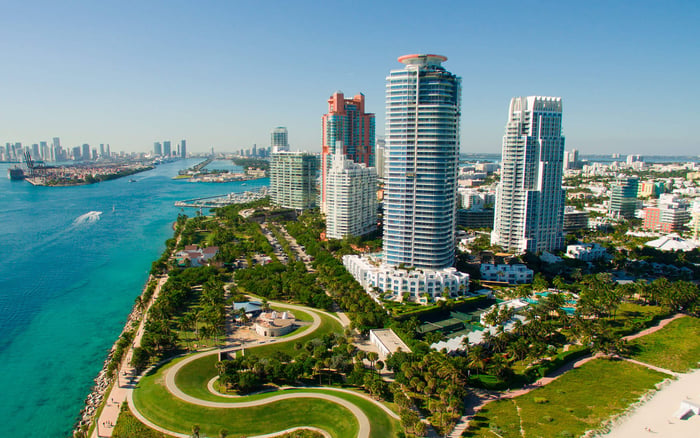
Before reserving a South Beach residence, look beyond the finish palette. Review exterior-material specifications, actual warranty certificates, municipal records, and the maintenance responsibilities that will shape coastal ownership.
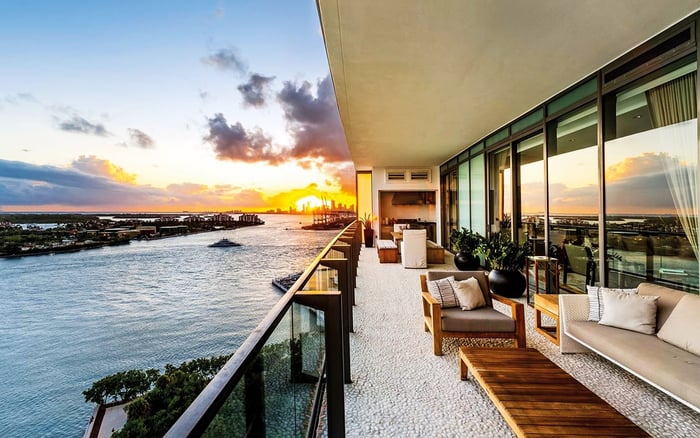
A South Beach residence is often chosen for its relationship to the outdoors: the terrace, the light, the open horizon. Before reserving, give the less visible details equal attention. What protects the exterior metal? Who maintains the exposed hardware? Which documents confirm that promised repairs and servicing have been completed?
For a buyer considering Apogee South Beach, those questions belong alongside layout and finish preferences. The objective is not to expect a coastal building to be maintenance-free. It is to understand its materials, care requirements, and division of responsibility before the reservation becomes nonrefundable, if the agreement provides for that transition.
Request a coherent document package: exterior specifications, warranty certificates, a maintenance calendar, repair records, and written owner-versus-association responsibilities. A polished presentation is no substitute.
Miami Beach maintains a dedicated building-recertification process. For an existing property, request the applicable recertification records, associated engineering assessments, and any repair requirements. Ask which items have been addressed, which remain open, and what documentation supports each answer.
The city also provides building-permit and inspection channels. Use them to check reported balcony, façade, roofing, window, or waterproofing work. Ask whether management can connect each described repair to its permit documentation and inspection history. Keep the scope of work central to the review rather than accepting a broad statement that the exterior was recently renovated.
When evaluating Continuum on South Beach, apply the same document-led approach. Request records relevant to the particular residence and building; do not infer condition or completion from the project name. If technical questions remain unresolved, ask your engineer to identify what further review is appropriate.
“Stainless” and “weather resistant” begin a conversation; they are not complete specifications. 316 stainless steel and solid brass are suitable choices for exposed hardware. Neither description alone establishes the suitability or warranty coverage of every installed component.
Request the manufacturer, product designation, material grade, and finish for exposed handles, hinges, fasteners, and other hardware relevant to the residence. Ask whether the specification covers the complete assembly or only the visible finish. Then request the corresponding care instructions and warranty certificate.
Apply the same scrutiny to the broader exterior corrosion-control system: which metal and coating products are specified, where are they installed, and what inspection or maintenance instructions accompany them? Have the seller or project team distinguish installed materials from proposed selections.
For a terrace-focused purchase, make responsibility explicit. Who inspects the hardware, who authorizes replacement, and who pays? Request written answers tied to the governing documents, not an informal assurance that maintenance is handled.
A headline warranty term is less informative than its scope. Separate protection for the underlying material from protection for the finish, then determine whether the component under review is covered at all.
COASTALUME™, for example, is advertised with a 25-year steel-substrate warranty and up to 50 years of finish protection. These are distinct, product-specific promises-not evidence that a South Beach building, balcony assembly, or hardware package carries either term. Request the actual certificates for the installed products.
Put these questions in writing:
Does coverage transfer to a subsequent owner, and is registration required?
Are salt-air or coastal-exposure conditions excluded or restricted?
Does coverage include labor, or only the replacement material?
What maintenance records must be retained to support a claim?
Who submits a claim: the owner, association, installer, or another party?
Treat the answers as unresolved until the applicable terms establish them. A sales summary should not be the final document used to assess coverage.
There is no single citywide salt-air maintenance interval established for every building and material. Exposure, condition, product selection, and manufacturer instructions matter. Use the following intervals as discussion benchmarks-not municipal requirements or substitutes for a building-specific assessment.
Monthly fresh-water rinsing of salt-exposed exterior surfaces is a useful benchmark to discuss. Ask what is rinsed, who performs the work, and where completion is recorded. First, confirm that rinsing is appropriate for the installed product. COASTALUME™ is advertised as requiring no fresh-water rinse, illustrating why a generic coastal schedule should not override product-specific instructions.
Quarterly professional HVAC condenser-coil cleaning is another benchmark. Request the actual service interval and maintenance records, and clarify whether the equipment serving the residence is the owner's or the association's responsibility.
An annual roof-fastener review provides a specific item to check against the maintenance calendar. Ask when it was last performed and how any identified work was documented. For exterior repainting, a three-to-five-year cycle is guidance dependent on exposure and coating condition, not a universal deadline. Ask what condition assessment supports the property's planned timing.
Where a property includes waterfront structures, ask whether annual seawall or waterfront inspections are appropriate and when the last inspection occurred. Request the findings and any resulting work records. Do not add a seawall obligation to the checklist without first establishing that it applies to the property.
For a purchase involving Five Park Miami Beach, begin by confirming which documents are available for the specific transaction. The evidence requested should reflect the residence's delivery status, not assumptions about its marketing or name.
An existing building may have service logs and completed repair records to review. For a residence reserved before completion, ask which specifications are current, which warranties will be delivered later, and who will supply the final maintenance instructions. Request a written timetable for delivery of those documents. Identify future paperwork as such; do not treat it as coverage already reviewed.
Before moving beyond any refundable stage, organize the answers into four categories: materials, coverage, maintenance, and responsibility. Each should have supporting documents, an identified responsible party, and a clear status. Where an answer remains pending, have your advisers explain its significance before you commit.
The clearest understanding of ownership does not come from the longest warranty or the most frequent cleaning schedule. It comes from a consistent set of specifications, applicable coverage terms, documented care, and clearly allocated duties. Those are the details worth examining behind a beautifully finished coastal residence.
For a considered approach to South Beach ownership, explore MILLION.
If branded residences are on your mind — as a home or as an allocation — we would be glad to share what we are seeing, privately.
Begin a quiet conversationRequest exterior specifications, applicable warranty certificates, a maintenance calendar, repair records, and written owner-versus-association responsibilities before any nonrefundable commitment.
Request applicable Miami Beach recertification records, associated engineering assessments, and repair requirements. Check permit documentation and inspection history for reported exterior work.
No. Request the exact material grade, product designation, and finish; 316 stainless steel and solid brass are identified as suitable choices in coastal hardware guidance.
Monthly fresh-water rinsing is a discussion benchmark, not a universal requirement. Follow the installed product's maintenance instructions rather than imposing a generic schedule.
Quarterly professional cleaning is a coastal-maintenance benchmark. Confirm the equipment's actual service requirements and obtain maintenance records.
Ask about roof-fastener review and, where applicable, seawall or waterfront inspections. Annual review is guidance to discuss against the property's actual maintenance needs.
No. That range is guidance dependent on exposure and coating condition, not a universal deadline.
No. COASTALUME™ illustrates the distinction with an advertised 25-year steel-substrate warranty and up to 50 years of finish protection, neither of which establishes coverage for a particular residence.
Confirm transferability, registration requirements, labor coverage, coastal-exposure restrictions, and maintenance-record obligations. Do not assume these terms apply without reviewing the actual certificate.
Separate currently available specifications from warranties and maintenance instructions to be delivered later. Request a written timetable and identify who is responsible for supplying the final documents.