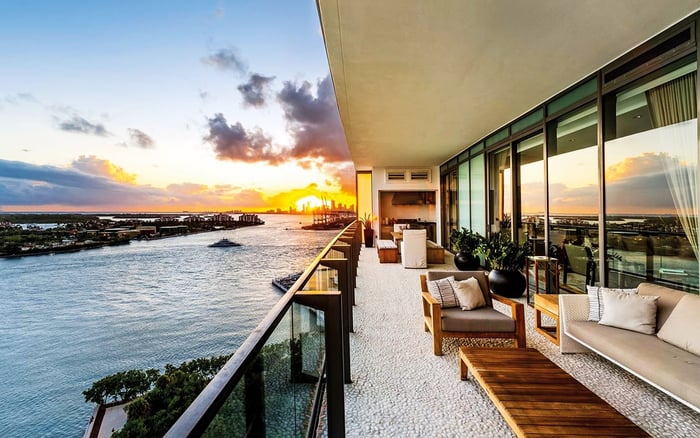
A disciplined first-year plan for a South Beach residence separates recurring ownership costs from furnishing, optional services, and assessment exposure, with every allowance tied to the unit and its association.
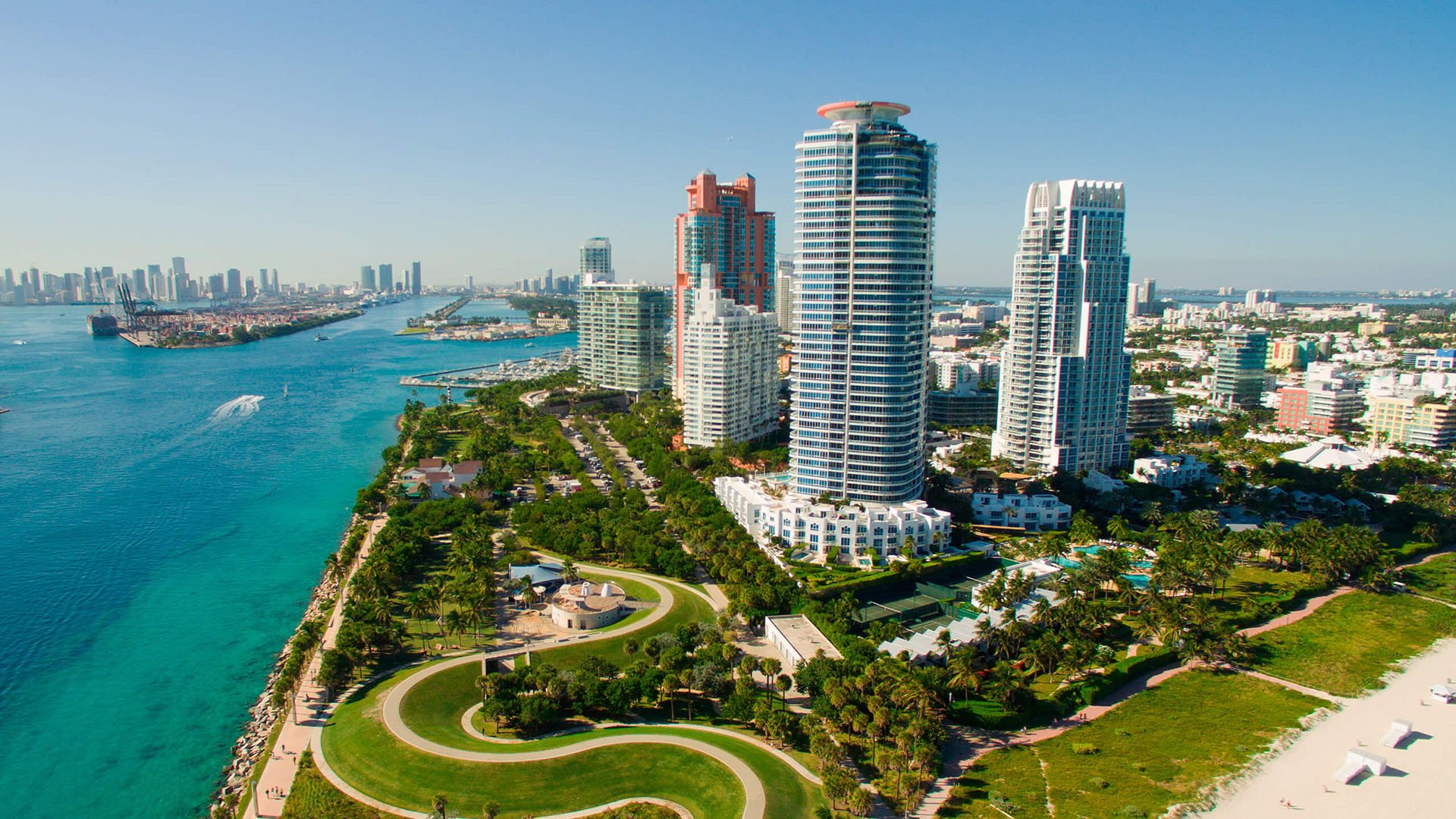
For a Washington, D.C. buyer considering a South Beach residence, the financial question extends beyond acquisition. The more useful test is whether the first year can feel as composed as the home itself: regular obligations understood, discretionary services priced, and furnishing funded without competing with taxes or insurance.
Start with a residence-specific cash plan, not a neighborhood average. Miami Beach ownership combines association obligations, private expenses, and potentially irregular capital charges. This is a destination-property budgeting exercise-not a conclusion about changing domicile, tax residency, or maintaining a Washington home.
The governing principle is simple: separate the cost of owning the residence from the cost of making it ready to enjoy.
Organize the first year into recurring ownership, furnishing and setup, and an assessment contingency. This is a planning framework, not a prescribed package or reserve requirement.
The recurring bucket should cover twelve months of HOA dues, estimated property taxes, unit-owner insurance, uncovered utilities, and separately billed parking or services. Include known assessments as scheduled obligations, not hypothetical surprises.
The setup bucket should cover your approved furnishing scope and related quoted expenses. Keep a separate contingency for uncertain association exposure. Its size should reflect the building’s financial and physical condition, not an arbitrary percentage.
For a shortlist that includes Apogee South Beach, prepare the same worksheet for every residence under consideration. The name on the building is no substitute for the unit’s current charges and the association’s supporting documents.
This operating plan sits alongside acquisition and financing budgets; it does not replace them. If financing applies, keep debt service visible as a separate obligation.
Luxury-condominium dues commonly fund building insurance, maintenance, reserves, management, security, trash removal, and shared water and sewer costs. Common-area maintenance can encompass cleaning, lighting, landscaping, and upkeep of lobbies, hallways, elevators, and exterior areas.
Valet, concierge, pool and fitness facilities, basic cable or internet, and pest control may also be included. Inclusions vary by building. Request a written inclusion schedule and reconcile it against the budget and fee schedule before adding private expenses to your model. This helps prevent both omissions and double counting.
When comparing a candidate at Continuum on South Beach with another residence, calculate monthly dues per square foot using a consistent area basis. Then examine what those dues purchase. Services and waterfront location can affect comparisons; a lower figure alone does not establish better value.
Avoid a universal South Beach HOA allowance. A defensible figure begins with the specific unit’s current charge, adjusted for any documented changes affecting your ownership period.
An amenity’s presence does not mean every related service is included in regular dues. Distinguish access, included service, and additional usage charges when reviewing the residence.
If Setai Residences Miami Beach enters your search, apply that distinction without assuming a particular service arrangement. Request the applicable written fee schedule, then build a usage allowance around your intended stays and preferences.
For each optional service under consideration, record the quoted price, billing basis, expected frequency, and any conditions that affect cost. Ask whether parking is included or separately billed. Mark unresolved items as provisional allowances, not confirmed charges.
The objective is not to minimize service. It is to choose it deliberately, keeping the building’s operating budget distinct from your household’s preferences.
Use the county’s property-tax estimator for the prospective residence rather than applying a generic South Beach percentage to the purchase price. The estimator uses the previous year’s adopted millage rates, so the result is a planning estimate-not a guaranteed future bill.
Review parcel-level tax comparisons as historical context. They show tax amounts and changes between years, but a past bill is not a promise of your future obligation.
Enter the estimated annual amount in the first-year worksheet and divide it by twelve to establish a monthly funding target. Record the expected payment timing separately once confirmed. Setting money aside monthly and paying a bill are different events; a useful cash-flow plan tracks both.
Do not turn an unsettled or proposed rate into a fixed assumption. Preserve flexibility until the relevant obligation is established.
The association’s master insurance does not replace the owner’s HO-6 policy. Unit-owner coverage typically addresses interior finishes, personal property, and liability, subject to the policy’s terms.
An indicative Miami-Dade luxury-condominium planning range for HO-6 coverage is $2,000-$6,000 annually, or approximately $167-$500 monthly. Treat this only as an initial allowance, not a residence-specific quote or a ceiling.
Obtain a unit-specific quotation and review it alongside the association’s insurance summary. Ask your insurance adviser to clarify coverage boundaries and deductibles, and describe the furnishing scope you intend to insure. Before finalizing the budget, replace the provisional allowance with the quoted premium and confirmed payment schedule.
Treat furnishing as a defined project with an itemized scope, not an assumed all-inclusive number. Request written pricing for your selected furniture, window treatments, lighting, household essentials, and any delivery or installation services you intend to commission. Confirm inclusions and exclusions rather than assuming them.
For a residence under consideration at Five Park Miami Beach, the same discipline applies: establish what the transaction includes before commissioning additional purchases. No furnishing allowance should depend on the project name alone.
Consider separating arrival essentials from later decorative decisions. Map deposits and balance payments to the vendor’s actual terms, keeping setup commitments visible alongside recurring bills. A completed interior and a comfortably funded first year should be complementary goals.
Before committing, review the current association budget, reserve materials, meeting minutes, insurance summary, fee schedule, and assessment disclosures. Examine the Structural Integrity Reserve Study and milestone inspection findings for repair and funding needs. Compare the budget’s annual reserve contribution with the study’s recommended annual funding amount.
Special assessments sit outside regular dues. They can address structural repairs, major capital projects, storm damage, insurance shortfalls, large deductibles, unexpected failures, or depleted reserves. A manageable monthly charge does not eliminate that exposure.
Finish with a twelve-month calendar showing each confirmed obligation, its due date, and the funds reserved for it. Keep known assessments separate from contingency, and update estimates as firm figures arrive. The strongest residence strategy is not the lowest apparent monthly cost, but a clear view of what ownership will require.
Explore your South Beach residence strategy with MILLION.
If branded residences are on your mind — as a home or as an allocation — we would be glad to share what we are seeing, privately.
Begin a quiet conversationInclude twelve months of HOA dues, estimated property taxes, unit-owner insurance, uncovered utilities, and separately billed parking or services. Track furnishing, known assessments, and contingency separately.
Dues commonly fund building insurance, maintenance, reserves, management, security, trash removal, and shared water and sewer costs. Other inclusions vary by building.
No. Obtain the building’s written inclusion and fee schedules to distinguish included services from separately billed usage.
Compare monthly dues per square foot using a consistent area basis, then review inclusions and reserve funding. Services and waterfront location can affect the comparison.
Use the county’s property-specific tax estimator rather than a generic neighborhood percentage. Its use of the previous year’s adopted millage rates means the result remains a planning estimate.
No. An owner’s HO-6 policy typically addresses interior finishes, personal property, and liability, subject to its terms.
An indicative Miami-Dade HO-6 range is $2,000–$6,000 annually, approximately $167–$500 monthly. Replace that guide allowance with a unit-specific quote.
Keep furnishing and setup separate from recurring ownership expenses. Use an itemized written scope and map vendor deposits and balance payments to their agreed terms.
Review the association budget, reserve materials, meeting minutes, insurance summary, fee schedule, and assessment disclosures. Structural Integrity Reserve Study and milestone inspection findings can also reveal repair and funding needs.
No. It addresses budgeting for a South Beach residence, not domicile, tax residency, or decisions about maintaining a Washington home.