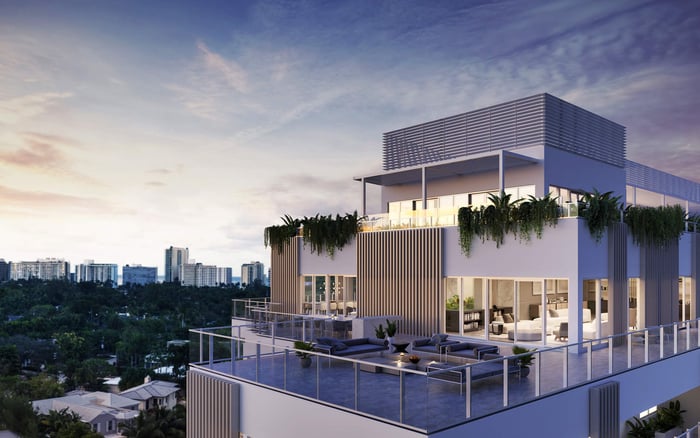
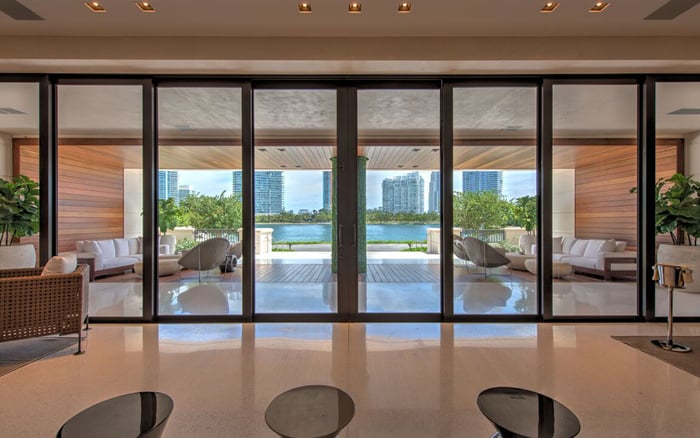
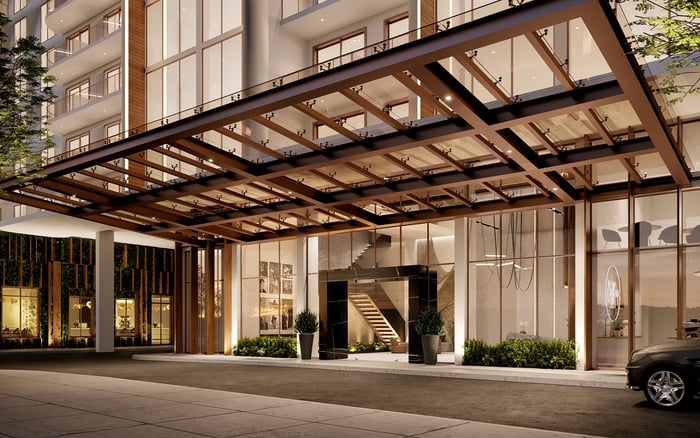
A South Beach terrace deserves the same scrutiny as the residence behind it. Review structural inspections, waterproofing records, storm-related leaks, reserve funding, and façade-access schedules before committing to a purchase.

In South Beach, a terrace can define a residence’s appeal. The purchase decision should give equal weight to what protects that outdoor room: waterproofing, window and door interfaces, maintenance obligations, and the schedule for exterior work. A beautiful outlook is not evidence that these matters have been resolved.
Begin with three parallel reviews: the building’s milestone-inspection status, its Structural Integrity Reserve Study, or SIRS, and an independent inspection of the unit. Each answers a different question. Structural review addresses building conditions; reserve planning addresses anticipated expenditure; the unit inspection focuses on the residence itself.
For buyers considering Apogee South Beach, the discipline is straightforward: evaluate the records supporting the purchase, not simply the home’s presentation. Project references here identify browsing options, not findings about any building’s condition or repair program.
Florida’s milestone-inspection requirement generally applies to condominium and cooperative buildings with three or more habitable stories. Inspections are generally due by December 31 of the year a building turns 30, then every 10 years. A local enforcement agency may require inspection at 25 years based on local circumstances. Coastal location alone should not be treated as an automatic statewide 25-year deadline.
Confirm the actual deadline with the local enforcement agency. Then request the signed inspection documentation, structural findings, repair status, and relevant permits. An assurance that the inspection occurred is no substitute for understanding its conclusions and any remaining work.
Phase One is primarily a visual, qualitative inspection of structural components and the exterior envelope-not comprehensive testing of every residence’s waterproofing. Substantial structural deterioration identified during Phase One can trigger Phase Two. Even when the structural review is complete, balcony and window questions may still warrant independent attention.
A balcony review should look beyond the finished surface. Request waterproofing specifications, repair history, warranties, testing records, permits, and close-out documentation. Seek records addressing slabs, railings, thresholds, sealants, and drainage, rather than accepting a general statement that the balcony was refurbished.
The objective is to establish what work was specified, what was completed, and what remains unresolved. Ask whether the documents cover the residence under consideration or a broader building program. Have the inspector identify questions the available records leave unanswered. Review a warranty alongside the scope of completed work, not in place of it.
When comparing a residence at Continuum on South Beach with another purchase opportunity, apply the same document standard. The comparison should rest on substantiated condition and obligations, not the confidence of a sales presentation.
These detailed requests are buyer recommendations, not a claim that every item is a statutory disclosure requirement.
A dry-day inspection is not a watertightness test. Ask an independent inspector or building-envelope engineer to assess the balcony, window, and exterior-door interfaces and review any recurring storm-related leaks associated with the residence.
Request the history of complaints and repairs, including whether an issue returned after intervention. Distinguish a documented repair from an assumption that a visible improvement resolved the underlying concern. Let the independent professional determine whether further evaluation or testing is appropriate.
For a Miami Beach search that includes Setai Residences Miami Beach, keep the questions residence-specific. Building-level paperwork and unit-level observations should inform one another, but neither establishes that the other is complete.
The SIRS covers major components including roofs, load-bearing structures, fireproofing and fire-protection systems, plumbing, and electrical systems. It also covers waterproofing and exterior painting, windows, and exterior doors, making the study directly relevant to this review.
Focus on remaining useful lives and replacement or deferred-maintenance estimates. Compare the identified funding needs with available reserves and association finances. A completed study does not, by itself, demonstrate that anticipated work is adequately funded.
Review five years of board minutes alongside reserve information, insurance, inspection findings, and assessment history. Include current capital-project obligations in the same review: building repairs can create costs beyond the purchase price.
Certain associations with milestone inspections due by the end of 2026 may coordinate their SIRS with that inspection, with December 31, 2026 as the outer SIRS deadline for that coordination provision. This is not a universal milestone or SIRS deadline; confirm the building-specific position.
Scrutinize an exterior project for its effect on daily use as well as its cost. Request suspended-scaffold dates, stack-by-stack sequencing, balcony closures, unit-entry requirements, furniture-removal instructions, notice periods, and expected reopening dates.
Ask which dates are confirmed and which remain estimates. If terrace access is central to the purchase, understand the anticipated restriction before treating the residence as ready for your intended use. These are practical scheduling requests, not established statutory requirements.
A search including Five Park Miami Beach should maintain this distinction between the appeal of outdoor space and the documentation governing its availability. Do not infer a particular access schedule from a project’s name or presentation.
Periodic exterior-building inspections also serve an ongoing maintenance purpose beyond a one-time statutory structural inspection. Ask how that continuing review connects to the association’s current work plan.
Read the declaration’s maintenance allocations with your advisers. Identify who is responsible for the relevant balcony, window, door, and exterior elements; do not assume that location alone determines responsibility.
For proposed or active repairs, establish whether funding is expected from reserves, insurance, financing, or assessments. Review current obligations alongside assessment history. Ask your transaction advisers to clarify how the purchase documents address any outstanding obligations. Physical condition and financial responsibility are related, but they are not the same question.
Waterfront purchasing deserves a clear closing review: the inspection status is understood, waterproofing questions have been independently assessed, reserve needs have been compared with funding, and exterior-access expectations are documented. Where a question remains open, identify the additional evidence or professional advice needed before proceeding.
The goal is not to eliminate every future maintenance expense. It is to distinguish a well-understood ownership commitment from an attractive residence whose obligations remain unclear. That is the due diligence that allows the view to become a pleasure rather than a distraction.
For a considered approach to your next South Beach residence, explore MILLION.
If branded residences are on your mind — as a home or as an allocation — we would be glad to share what we are seeing, privately.
Begin a quiet conversationStart with the building’s milestone-inspection status and Structural Integrity Reserve Study, alongside an independent inspection of the residence.
The requirement generally applies to condominium and cooperative buildings with three or more habitable stories.
No. Inspections are generally due at 30 years and every 10 years thereafter, although a local enforcement agency may require inspection at 25 years based on local circumstances.
No. Phase One is primarily a visual, qualitative inspection of structural components and the exterior envelope, not comprehensive waterproofing testing of every residence.
Request waterproofing specifications, repair history, warranties, testing records, permits, and close-out documentation addressing slabs, railings, thresholds, sealants, and drainage.
Ask an independent inspector or building-envelope engineer to assess balcony and window interfaces and review recurring storm-related leaks. A dry-day inspection is not a watertightness test.
Waterproofing and exterior painting, windows, and exterior doors are SIRS components. Review their remaining useful lives and expenditure estimates against available reserves and association finances.
Ask for scaffold dates, stack sequencing, balcony closures, unit-entry requirements, furniture-removal instructions, notice periods, and expected reopening dates.
Review the declaration’s maintenance allocations and identify whether proposed repairs are funded through reserves, insurance, financing, or assessments. Include current capital-project obligations in the purchase review.
No. It is the outer SIRS deadline for a coordination provision available to certain associations with milestone inspections due by the end of 2026; confirm the building-specific deadline.