A buyer-focused framework for distinguishing Continuum’s advertised amenities from documented emergency-power coverage, cooling-refuge arrangements, and post-storm access procedures.
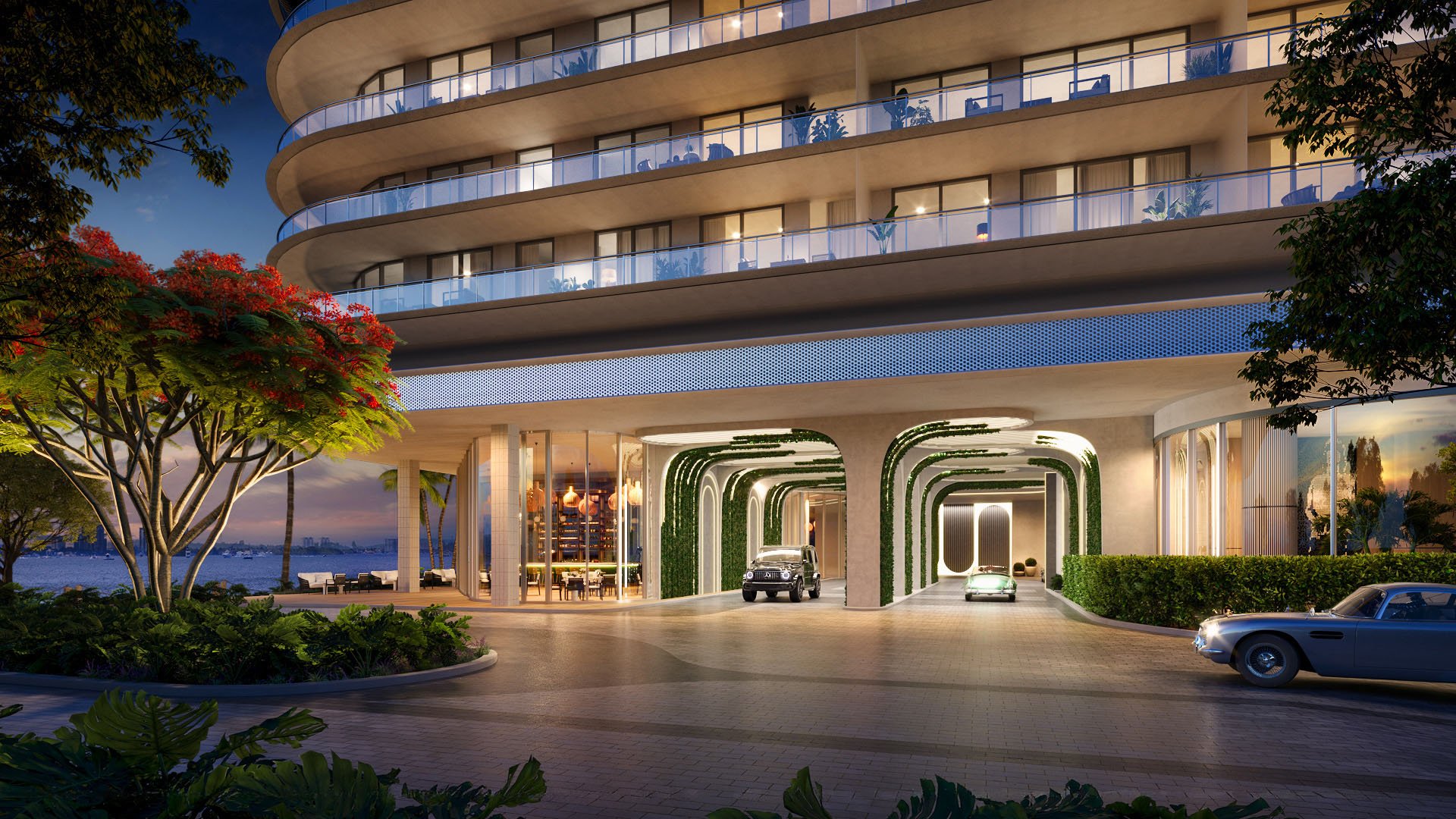
At Continuum Club & Residences North Bay Village, the purchase conversation naturally begins with the waterfront setting between Miami and Miami Beach. The development is marketed with 198 condominium residences and penthouses and approximately 60,000 square feet of amenities. For a discerning buyer, however, lifestyle scale and storm readiness belong in separate columns.
The essential questions are precise: what remains powered when utility service fails, where residents can find cooled space, and who authorizes access after a storm. Publicly disclosed project information does not answer them in enough detail to calculate power allocation per residence or guarantee cooling hours. That does not mean systems or policies are absent. It means buyers should seek written operational commitments before relying on them.
A rigorous purchase brief distinguishes three things: advertised amenities, documented emergency capabilities, and household needs that require an independent contingency plan.
Public project materials do not disclose a generator-capacity schedule identifying the generator’s kW rating, fuel autonomy, or circuits served. Nor do they confirm generator-backed air-conditioning inside individual residences. Buyers should not treat emergency power as a promise of uninterrupted residential comfort.
Request the generator specifications, electrical one-line diagram, and load schedule together. Ask which functions receive power, which loads take priority, and whether residential outlets, refrigeration, or cooling are included. The objective is to define the scope of service, not merely confirm that equipment appears on a plan.
Runtime requires equal scrutiny. Request the projected operating duration at the stated critical load, the fuel and refueling plan, and the party responsible for maintenance. A runtime figure should state its assumptions; without supporting documentation, it should not be treated as a household guarantee.
Elevator access requires separate diligence. Public materials do not confirm which elevators receive emergency power or how residents may use them during an outage. Ask about service priorities, resident availability, staffing, and conditions that could restrict operation. For a household with mobility needs, evaluate elevator availability alongside cooling-not after it.
Continuum’s advertised amenities include a waterfront fitness center, yoga room, golf simulator, and residents’ spa, with a social lounge and business lounge on Level 5. None is designated in those descriptions as a generator-backed emergency cooling refuge.
The outdoor program includes Vista Pool, Sun Pool, a jacuzzi spa, a fitness lawn, and a sunset dining pavilion. These are lifestyle features, not evidence of emergency shelter capacity. Nor does the total amenity-area figure establish how many people could safely occupy a cooled room during an outage.
Ask for a written cooling-refuge designation, if one is planned. It should specify the location, backup HVAC coverage, occupancy limit, accessibility, hours, and staffing. Drinking water, usable restrooms, charging facilities, medication refrigeration, and any medical support should be addressed explicitly. Overnight access is a separate question: a room available for daytime cooling is not necessarily an overnight accommodation.
When comparing Continuum with Shoma Bay North Bay Village, request the same documentation for each purchase option. The comparison should rest on confirmed capabilities, not assumed similarities between amenity programs.
Continuum advertises a kids’ playroom and splash pad, along with a dog park and pet spa on Level 4. Those amenities do not establish emergency accommodation policies for children or animals. Families should ask whether any designated refuge would admit pets, what restrictions would apply, and how access would be managed.
The advertised 24/7 marketplace warrants the same distinction. Its normal operating description does not establish emergency stocking, backup refrigeration, or continued operation during an outage. Buyers should not regard it as a guaranteed supply point without written confirmation.
Prepare a short household requirements schedule before reviewing the building’s response. Include mobility assistance, temperature-sensitive medication, charging needs, drinking water, and pet arrangements. Match each requirement to a documented service or a personal alternative. This gives the diligence conversation more substance than a broad assurance that the building is prepared.
Public project information does not establish a complete post-storm re-entry protocol. Request the hurricane or business-continuity plan and ask who has authority to inspect, clear, and reopen the property. The plan should distinguish permission to enter briefly from permission to resume occupancy.
Seek definitions of limited and full access, with the conditions attached to each. Ask whether residents could enter before elevators, cooling, or other services are restored. Clarify how residents will receive notices and how an owner away from South Florida can confirm access status before arranging a return.
Shelter in an interior room away from windows during a hurricane, and avoid downed power lines and standing water after a storm. These precautions do not establish Continuum as a shelter or provide building-specific clearance. Household plans should remain responsive to official instructions, not depend on an assumed refuge designation.
The purchase question is not simply when the doors reopen. It is what reopening permits, which services are available, and who communicates the restrictions.
For an owner who visits intermittently, storm planning should include authorized contacts and a procedure for obtaining reliable status updates while away. Ask management how access information would reach owners, guests, and authorized representatives, and what permissions a post-storm visit would require.
A buyer also considering Onda Bay Harbor should bring the same household brief to that comparison. Remote notification, cooling access, and re-entry authority must be resolved for each property independently-not inferred from location or positioning.
Do not schedule a return solely around restored utility power. Confirm whether the property has also been cleared for the intended use and whether the services your household requires are available.
Operational capability and financial provision belong in the same review. Request available budgets, reserves or capital plans, insurance coverage and deductibles, and provisions for funding emergency operations and storm restoration. Clarify responsibility for generator maintenance, fuel arrangements, and any staffing proposed for a cooling refuge.
Have your advisers distinguish contractual commitments from descriptive marketing language and determine where material representations should be recorded. Confirm the legal property address in the purchase documents rather than relying on a listing address.
The strongest purchase decision does not rest on an assumption of uninterrupted luxury. It rests on a clear understanding of what is promised, what remains to be confirmed, and what your household will arrange independently.
For discreet guidance on aligning a South Florida purchase with your lifestyle and operational priorities, connect with MILLION.
If branded residences are on your mind — as a home or as an allocation — we would be glad to share what we are seeing, privately.
Begin a quiet conversationThe development is marketed with 198 condominium residences and penthouses in North Bay Village, between Miami and Miami Beach.
No. The approximately 60,000 square feet of advertised amenities does not establish emergency-power coverage, refuge occupancy, or shelter capacity.
The reviewed public materials do not confirm it. Request written confirmation of residential HVAC coverage and the circuits served.
Request generator specifications, the electrical one-line diagram, load schedule, critical-load runtime, fuel and refueling plan, and maintenance responsibilities.
Public materials do not confirm which elevators receive emergency power or the resident operating protocol. Ask for written service priorities and operating restrictions.
The social lounge and business lounge are listed amenities, but their descriptions do not confirm generator-backed emergency-refuge status.
It should address location, backup HVAC, capacity, accessibility, hours, staffing, water, restrooms, charging, medication refrigeration, and pet rules. Ask separately about overnight access and medical support.
The advertised 24/7 marketplace does not establish emergency stocking, backup refrigeration, or continued outage operation. Those arrangements require separate confirmation.
Ask who authorizes inspection and clearance, how notices reach residents, and what limited versus full access permits. Building entry should not be assumed to mean normal occupancy or restored services.
No. Undisclosed details remain due-diligence questions, not proof that equipment or policies do not exist.