A buyer-focused guide to verifying domestic-water redundancy, testing upper-floor pressure, and reviewing pump-maintenance records at Armani Casa Sunny Isles Beach before purchase.
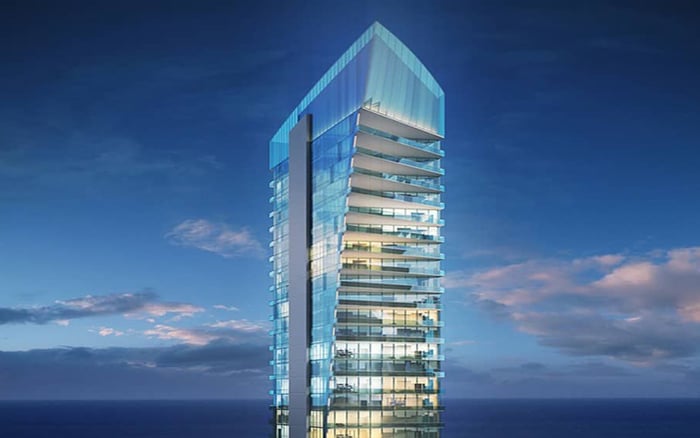
At Armani Casa Sunny Isles Beach, the purchase conversation naturally begins with the Atlantic setting, architecture credited to César Pelli, and interiors by Giorgio Armani’s Armani/Casa. The address is 18975 Collins Avenue, Sunny Isles Beach, on the ocean side of Collins Avenue. Marketed as a 56-story tower with 308 residences, the property also warrants a practical conversation: how domestic water reaches the residence, how service continues during equipment interruptions, and how that equipment is maintained.
For a buyer considering an upper-floor home, these questions deserve attention alongside the view and floor plan. The objective is not to presume a problem, but to distinguish design appeal from the technical evidence needed to evaluate everyday comfort.
A disciplined review should connect three elements: the equipment serving the target residence, measured performance within it, and the association’s maintenance and financial records.
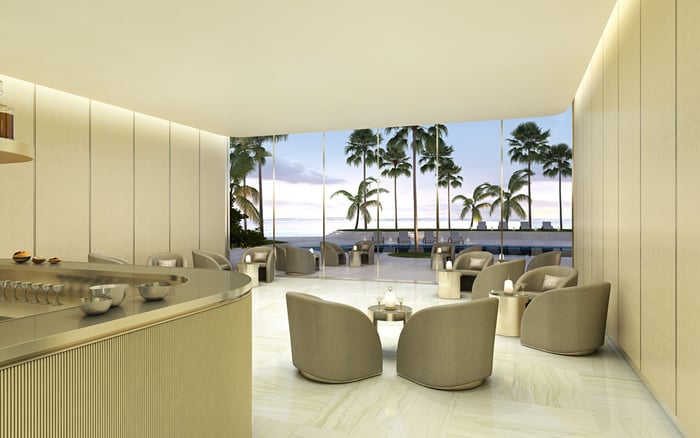
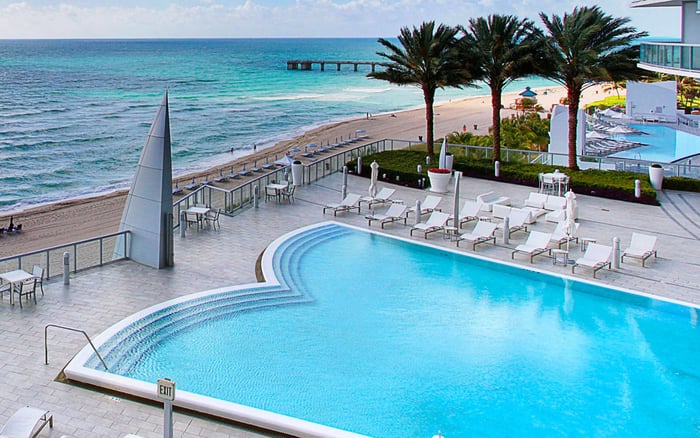
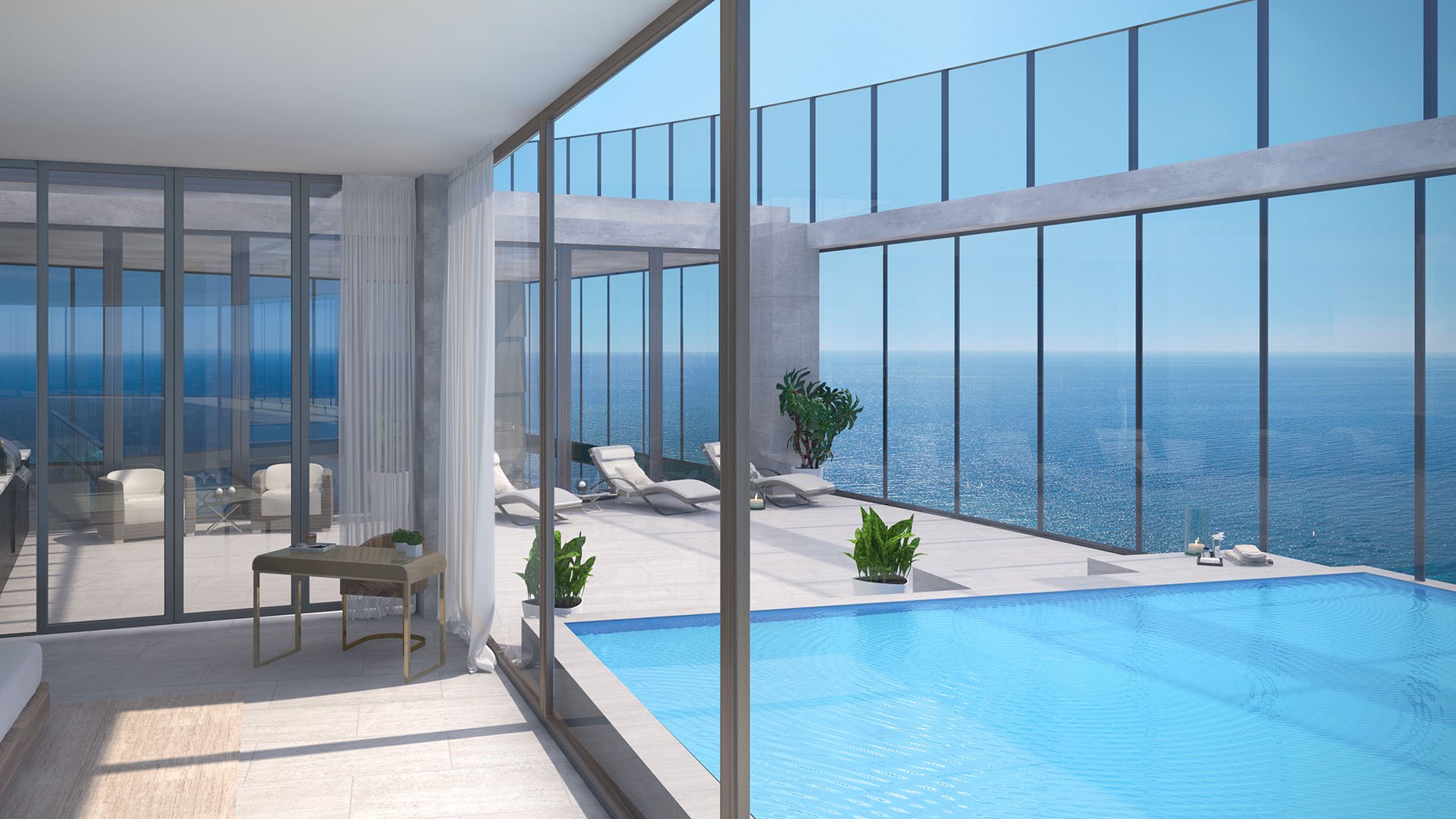
Residences are marketed with two-, three-, and four-bedroom configurations, 10-foot ceilings, floor-to-ceiling glass, and private high-speed elevators. Amenities include an oceanfront pool terrace and a two-story spa. These features describe the residential experience; they do not establish domestic booster-pump counts, capacities, standby arrangements, or emergency-power coverage.
The domestic-water configuration, pressure zones, and equipment assignments for individual floors require technical verification. No verified upper-floor fixture-pressure measurements or guaranteed pressure range are established here. Pump-maintenance logs and replacement schedules should likewise be requested, not assumed.
That distinction is especially important with branded residences: design identity is no substitute for an equipment schedule. Missing public detail is not evidence of defective pumps, inadequate pressure, or absent maintenance. It leaves specific purchase questions to resolve through records and qualified inspection.
Begin by requesting plumbing drawings and an equipment schedule identifying the domestic-water pumps, their capacities, controls, and the floors or zones they serve. Ask a qualified plumber or mechanical engineer to interpret those documents in relation to the residence under consideration.
The question is not simply whether a backup pump exists. Ask what happens when an operating pump is unavailable: which equipment takes over, whether changeover is automatic, and what service the remaining equipment is designed to provide. Request documentation rather than relying on an informal assurance that the system is redundant.
Review emergency power separately. Request written confirmation or an electrical diagram showing whether domestic-water pumps receive generator power, and ask about fire-pump coverage independently. Neither private elevators nor the presence of a generator establishes that domestic-water service has the coverage a buyer expects.
If Jade Signature Sunny Isles Beach is also on the shortlist, ask the same questions there. Compare documented arrangements, not assumptions based on presentation or branding.
An upper-floor purchase calls for unit-specific testing. Arrange for a qualified plumber or mechanical engineer to measure both static and flowing pressure, including during simultaneous fixture use. Ask the professional to document test locations, conditions, and results so the findings can be evaluated rather than recalled from a walkthrough.
The test plan should reflect how the buyer expects to use the home. Discuss which combinations of showers, taps, and other fixtures are appropriate to include, subject to permission and the professional’s judgment. This is a due-diligence recommendation, not a statement that any particular residence has deficient service.
Ask which pressure zone serves the target floor and compare the measurements with the building’s design and commissioning records. Avoid adopting a universal pressure target without that context. The professional conducting the review should interpret readings against the relevant design and fixture requirements.
Where results raise questions, request an explanation and any appropriate follow-up before treating the initial test as conclusive.
Request preventive-maintenance schedules, service logs, repair invoices, replacement records, and contractor details. The purpose is to establish what work was planned, what was performed, and whether any recommendations remain outstanding. Do not infer pump service history from the building’s appearance or amenities.
Have the technical reviewer connect the records to the equipment schedule. Ask whether the documents identify the relevant pumps and controls clearly enough to trace their history. If an invoice describes corrective work, seek the associated service entry or confirmation of completion where available.
Water-interruption records add context. Request documented incidents, their causes and duration, and the corrective work performed. An interruption calls for contextual review, not an automatic conclusion about maintenance quality. Equally, a reassuring verbal summary cannot replace the records needed to assess a specific event.
For buyers also considering Turnberry Ocean Club Sunny Isles, the same document checklist keeps the comparison focused without implying anything about either property’s equipment condition.
Read technical findings alongside association minutes, budgets, reserve schedules, and any proposed water-system assessments. Ask whether identified pump-related work appears in those documents, whether it is planned or completed, and how any proposed expenditure is expected to be addressed.
Avoid assigning a generic replacement date to the equipment. Base the purchase review on actual service history, documented recommendations, and the association’s plans. Distinguish proposals still under discussion from approved work and completed work.
The buyer’s advisers should also separate current operating observations from future financial exposure. A satisfactory inspection does not answer every funding question, just as a proposed expenditure does not establish a current service failure. Both deserve review, but they answer different questions.
Request documents and coordinate inspections early enough for meaningful review within the transaction’s agreed timetable. Access to mechanical rooms or every requested record is not guaranteed. Establish what can be provided and who can answer follow-up questions rather than relying on an inspection appointment alone.
The final purchase file should distinguish what has been documented, what has been measured, and what remains unresolved. Ask the appropriate advisers to address material uncertainty before the relevant contractual deadlines. The aim is confidence grounded in the residence’s actual service arrangements, not a promise that equipment will never require attention.
For discreet guidance on your next South Florida residence, connect with MILLION.
If branded residences are on your mind — as a home or as an allocation — we would be glad to share what we are seeing, privately.
Begin a quiet conversationResidences by Armani/Casa is at 18975 Collins Avenue, Sunny Isles Beach, FL 33160, on an Atlantic Ocean beachfront site east of Collins Avenue.
The property is marketed as a 56-story tower with 308 condominium residences, including two-, three-, and four-bedroom configurations.
The pump count, capacities, and standby arrangements are not established here. Request plumbing drawings and an equipment schedule for qualified review.
That coverage requires separate confirmation through written documentation or an electrical diagram. Ask about domestic-water pumps and fire pumps independently.
Have a qualified plumber or mechanical engineer measure static and flowing pressure in the target residence, including during simultaneous fixture use.
No verified fixture-pressure range is established here. A qualified professional should interpret measurements against the relevant design records and fixture requirements.
The zone assignment helps connect the target floor to its serving equipment and design records. That information provides context for interpreting unit-level measurements.
Request preventive-maintenance schedules, service logs, repair invoices, replacement records, and contractor details. Also seek documented water interruptions and the corrective work performed.
Compare identified work with association minutes, budgets, reserve schedules, and any proposed water-system assessments. Distinguish work under discussion from approved or completed work.
No. Missing public detail is not evidence of defective equipment, inadequate pressure, or absent maintenance; it identifies questions for records review and qualified inspection.