On Fisher Island, a residence's practical fit depends on more than views and finishes. Buyers with important art, monumental furnishings, safes, custom millwork, or sensitive materials should verify the complete delivery route, structural capacity, installation permissions, and environmental performance before due-diligence protections expire.
A Fisher Island purchase may satisfy every visible criterion yet prove unsuitable for the objects intended to define it. A monumental sculpture can fit beautifully on a floor plan but fail at the loading area, elevator door, corridor turn, or residence threshold. A substantial safe or stone installation may reach the room yet exceed a localized structural limit. Museum-quality art may arrive safely, only to encounter humidity, filtration, or backup-power conditions that were never confirmed.
These are not post-closing details. They determine whether a buyer can realize the residence envisioned during negotiations. At Fisher Island's financial level, a technically constrained delivery or installation can become a material purchase risk rather than a minor inconvenience.
The decisive measurement is the complete path from arrival point to final placement.
Fisher Island properties operate under FICA requirements as well as the selected condominium association's declarations, bylaws, rules, and procedures. A buyer must therefore examine both layers rather than assume community-level permission resolves a building-level issue, or vice versa. The latest amendments matter because restrictions can affect exterior work, common-area use, and protective installations.
Exterior modifications require Architectural Control Committee approval across categories that include painting, signage, windows, doors, antennae, and other exterior elements. An artwork that penetrates an exterior wall, changes glazing, or otherwise touches the building envelope may consequently require review before work begins. Signs, notices, graphics, lettering, and advertisements in common areas also require approval. Hurricane shutters and similar installations must be an approved type and comply with FICA guidelines.
Whether considering The Residences at Six Fisher Island or an existing-building alternative such as Palazzo del Sol, the operative documents should be tied to the exact residence and association. New-construction disclosure packages and resale association records demand the same disciplined reading, even when their contents and timing differ.
Building-specific freight-elevator dimensions, rated capacities, door clearances, turning radii, and loading-dock configurations for Fisher Island condominiums are not publicly established. Buyers should request the current move and alteration packets directly from the relevant building, then commission a physical route survey for any consequential object.
The survey should record every constriction from the approved arrival point to final placement: entry doors, elevator cab and door openings, corridor widths, ceiling heights, corners, floor transitions, private vestibules, and unit doors. Cab capacity alone is insufficient. Crating, protective padding, lifting equipment, and handlers' working clearance can make the transported dimensions materially larger than the artwork or furnishing itself.
A luxury-condominium benchmark illustrates the operational questions worth asking. Procedures may require at least two weeks' notice, advance identification of the moving company, secured Masonite over finished floors, padded elevator cabs and walls, and route inspections before and after delivery. A unit representative may need to supervise, while moves may be assigned to after-hours or weekend windows under management oversight. These examples are not Fisher Island building rules; they demonstrate why the actual packet must be obtained rather than inferred.
For buyers comparing Palazzo della Luna with The Links Estates at Fisher Island, delivery feasibility should be tested independently at each property. Residence scale does not, by itself, establish freight access or installation freedom.
Marketing materials do not provide the live-load ratings, localized slab limits, anchoring restrictions, or structural review thresholds needed to approve heavy sculptures, safes, stone assemblies, aquariums, or substantial built-ins. Floor area is not a proxy for capacity. A large object may concentrate significant weight on a small footprint, while its installation equipment may introduce separate temporary loads.
Before waiving relevant protections, buyers should obtain written confirmation from qualified professionals addressing the proposed object's weight, base dimensions, precise location, support conditions, anchoring method, and installation sequence. The review should also consider the path across common and private floors, not solely the final display location.
This is particularly important in a penthouse, where expansive interiors can encourage ambitious objects without resolving how those objects reach the level or interact with the structure. A planned 15,000-square-foot penthouse at Six Fisher Island was marketed at $90 million, or approximately $6,000 per square foot. At that scale, early technical diligence protects both the investment and the design brief.
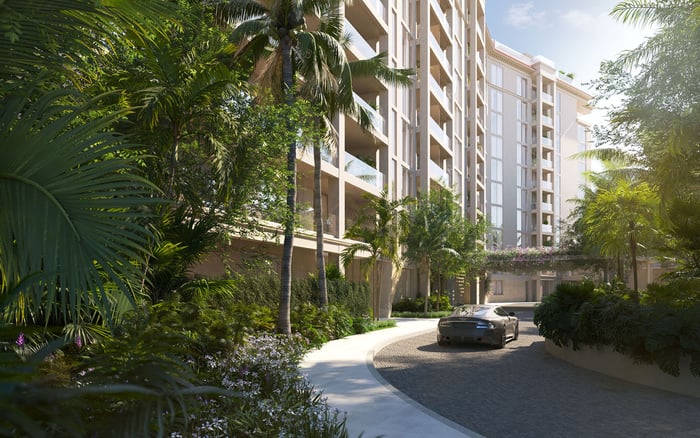
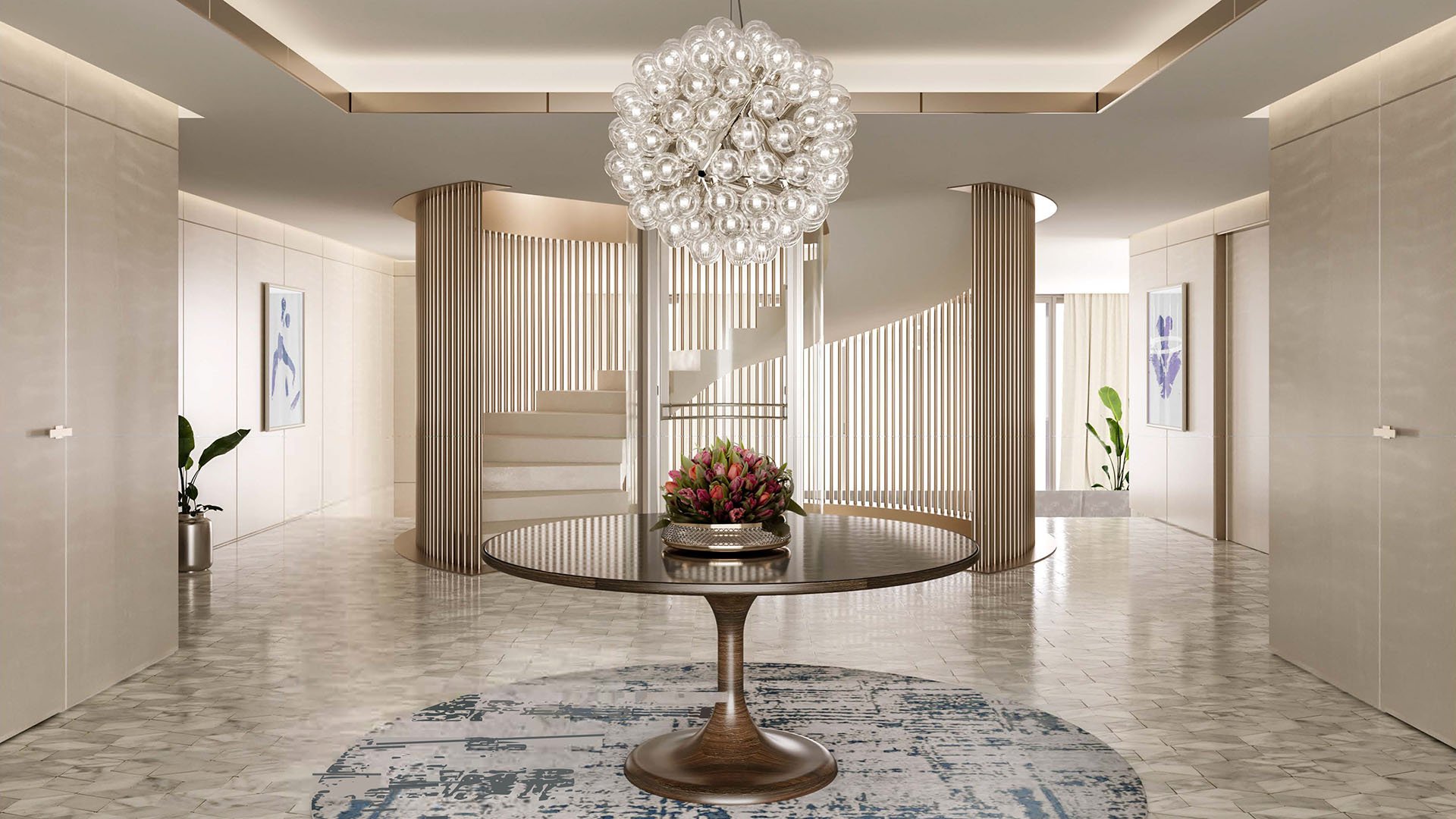
A rendering is not an installation approval. At Six Fisher Island, depicted designs, fixtures, furnishings, finishes, décor, and installations may not be included with a residence. Displayed or depicted art may also be loaned and removed before turnover. The contract documents, specifications, and approved plans therefore control-not the atmosphere suggested by imagery.
Buyers should submit a defined installation scope whenever artwork touches glazing, exterior walls, terraces, shared routes, or other regulated conditions. The package may need drawings, dimensions, weights, attachment details, contractor information, insurance documentation, protective measures, and a schedule. Approval responsibility and timing should be established in writing before fabricators, conservators, riggers, or art handlers are committed.
Waterfront exposure also makes envelope integrity especially consequential. Even a visually discreet intervention can intersect with waterproofing, wind protection, or association standards. The prudent question is not simply whether an artwork can be mounted, but whether the exact method is permitted.
Climate control for important art cannot be reduced to a thermostat setting. Buyers should verify humidity tolerances, filtration, redundancy, backup power, monitoring, and the conditions encountered along the loading and staging route. These specifications are not publicly established for individual Fisher Island buildings.
The inquiry should distinguish whole-residence performance from the requirements of a dedicated gallery, wine room, wardrobe, or storage space. It should also identify what happens during an outage, maintenance event, or transition between conditioned and unconditioned areas. For a second-home owner, remote monitoring and a clear response protocol may be as important as ordinary daily performance.
Technical diligence has the greatest value when it informs contract timing and decision rights. Before relevant contingencies expire, the buyer's team should seek the latest FICA amendments, the association's governing documents, the current move and alteration packets, written freight specifications, a measured route survey, structural confirmation, climate-control information, and preliminary installation feedback.
The buyer should also reconcile sales materials with the contract's actual inclusions. Residences at Six Fisher Island were marketed from $15.5 million, underscoring why a mismatch between expectation and executable design can be financially meaningful. Fisher Island's approval environment can require patience; one major development involved about 18 months of negotiations with the community association and country club. That project-level history does not dictate an individual installation timeline, but it cautions against treating approvals as automatic.
The best result is not merely a compliant closing. It is confidence that the residence can receive, support, preserve, and display the collection, furnishings, and custom work that give the property its personal meaning.
For discreet guidance on evaluating South Florida's most exceptional residences, connect with MILLION.
If branded residences are on your mind — as a home or as an allocation — we would be glad to share what we are seeing, privately.
Begin a quiet conversationCab dimensions and capacity can determine whether large art, furnishings, safes, and equipment can reach the residence. The complete route must also be measured.
No. Fisher Island buyers must review FICA requirements alongside the selected association's declarations, bylaws, rules, and procedures.
No. Renderings do not establish inclusion, feasibility, or association approval; contract documents and approved plans control.
Review may be required when work penetrates exterior walls, changes glazing, affects the building envelope, or uses regulated common areas.
The supplied public information does not establish building-specific cab dimensions, capacities, door clearances, turning radii, or dock configurations.
It should measure the approved arrival point, doors, elevators, corridors, corners, ceiling clearances, transitions, vestibules, and residence threshold.
A heavy object can concentrate weight on a small footprint. Written engineering confirmation should address its location, support, anchoring, and installation sequence.
Verify humidity tolerances, filtration, monitoring, redundancy, backup power, and conditions along loading and staging areas.
A published luxury-condominium benchmark recommends at least two weeks' notice, but buyers must obtain the selected Fisher Island building's current procedures.
Request current FICA amendments, association documents, move and alteration packets, freight specifications, structural confirmation, climate information, and contract inclusions.