In Edgewater, quiet enjoyment depends on more than views and finishes. Buyers should examine acoustic separation, elevator operations, commercial uses, and loading activity before committing to a residence.
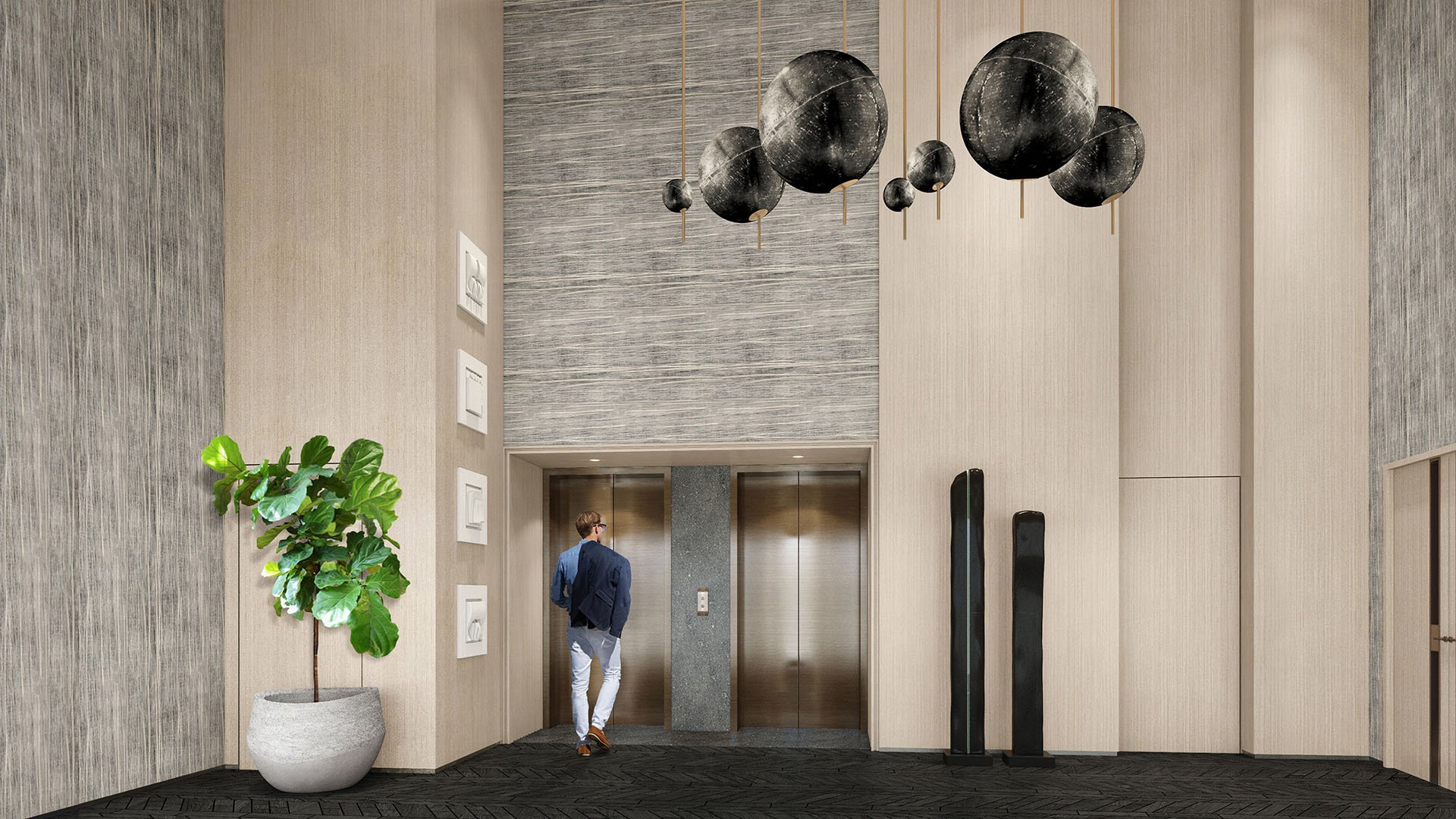
In Edgewater, evaluating a residence should extend beyond views, finishes, and amenities. Sound from adjoining homes, service areas, elevators, mechanical spaces, commercial premises, or loading activity can shape the daily experience of a property.
A scheduled presentation may not reveal every recurring condition. The timing of a visit, the operation of building systems, and the activity around a particular residence can all influence what a buyer observes. The appropriate standard is therefore residence-specific diligence rather than assumptions based on price, floor height, or design quality.
Buyers comparing Aria Reserve Miami, EDITION Edgewater, and other neighborhood options can place acoustic privacy and operational review alongside layout, exposure, and amenities from the beginning of the search.
The sounds that matter most may be recurring operational conditions that are absent during a scheduled tour.
Noise rules and building procedures do not necessarily answer the personal question of whether a home feels comfortable. A buyer may be sensitive to voices, impact sound, low-frequency hum, vibration, door closures, or intermittent activity. The relevance of each condition depends on the residence, its adjacencies, and the buyer's intended use.
Consider how each room will function. A sound that is tolerable in a kitchen may be disruptive in a primary bedroom, office, or nursery. Buyers who work from home, sleep lightly, or spend extended periods in the residence may wish to apply a more exacting standard during inspections and return visits.
Avoid relying on general assurances that a building is quiet. Ask targeted questions about the specific stack, floor, exposure, and neighboring spaces. When documents are available, compare them with direct observations inside the residence.
Request the residence plan and the broader floor plate when available. Identify shared walls, passenger and service-elevator shafts, refuse areas, mechanical spaces, utility zones, and back-of-house corridors. For residences closer to street-level operations, also consider garage entrances, loading areas, valet circulation, and commercial spaces.
Give the primary bedroom special attention. Determine what lies behind its walls, above its ceiling, and below its floor. Ask whether it adjoins another residence, a corridor, a shaft, or a service area. The same review should be applied to offices and other rooms where quiet is important.
Glazing, terrace doors, and exposed façades also deserve observation. During a visit, listen near doors and windows and note any movement, whistling, or exterior sound that reaches the interior. Treat the result as specific to the residence and the conditions present at the time.
The same stack-level approach can be used when considering The Cove Residences Edgewater or Lilli Miami Edgewater: understand the immediate adjacencies, then assess the individual home under realistic conditions.
Service-elevator operations can affect circulation, deliveries, move-ins, housekeeping, contractor access, and waste handling. If a service car is unavailable or heavily used, activity may shift to other elevators, corridors, or waiting areas.
Ask how passenger and service traffic are separated. Confirm where delivery personnel wait, how moves are scheduled, and what procedure applies when a service elevator is unavailable. If a residence is near the service core, spend time listening for doors, call signals, carts, conversation, and repeated trips.
Request available maintenance, repair, modernization, and outage information. Review board materials and assessment documents for discussions of elevator work or recurring operational concerns. The objective is not to predict every interruption, but to understand how the building manages essential circulation and how that management may affect the residence.
Commercial space can provide convenience and street-level activity, but buyers should understand how it interacts with residential life. The current occupant is only part of the inquiry. Ask what uses are permitted and whether building documents address operating hours, music, outdoor activity, private events, exhaust, refrigeration, deliveries, waste storage, and service access.
Trace the relationship between commercial premises and the residence. Identify where employees and vendors enter, where equipment is located, and whether commercial operations share corridors, elevators, garages, or loading areas with residents.
A daytime visit may provide an incomplete picture of an evening-oriented use. Conversely, an active morning delivery period may not be visible during a late-afternoon presentation. Return visits can help distinguish occasional activity from a recurring operating pattern.
Loading-dock review should extend from the street to the service elevator. Observe where trucks stop, how goods move through the property, where carts travel, and how refuse leaves the building. Note whether the residence, terrace, or bedroom faces any part of that route.
Ask about delivery windows, move-in procedures, truck staging, gate operation, waste pickup, and oversight. Written rules are useful, but buyers should also consider how the physical design directs activity and how staff apply the procedures in practice.
Spend time near the relevant areas without obstructing operations. Listen for vehicle movement, alarms, rolling carts, gates, doors, compacting equipment, and conversation. Inside the residence, repeat the exercise with televisions and music off.
A single tour offers only a snapshot. Consider returning during a period when deliveries or waste handling may occur, during evening activity, and when the surrounding streets are active. If exterior conditions are important to the residence, another visit under different weather conditions may also be useful.
During each visit, pause in the primary bedroom, office, main living area, and terrace. Listen for voices, impact sounds, hum, vibration, doors, elevators, vehicles, and commercial activity. Ride the elevators and observe the service circulation where access is permitted.
Document the time, location, and character of anything notable. Specific notes are more useful than a general impression because they can guide follow-up questions and professional review.
Request available board minutes, incident records, elevator materials, delivery procedures, loading rules, commercial-use provisions, and notices concerning work that could affect operations. Review these materials with attention to the specific residence and its nearby systems.
Informal comments can identify questions, but they should not be treated as conclusions about an entire building. Compare any concern with direct observation, management information, relevant documents, and the physical location of the residence. Dates and locations matter because conditions can differ by stack, floor, exposure, and operating period.
Bring unresolved issues to appropriate professionals. Condominium counsel can review governing documents and disclosure materials, an inspector can assess visible physical conditions, and an acoustical consultant can evaluate sound concerns that require specialized testing.
Edgewater buyers can evaluate acoustic separation, elevator circulation, commercial activity, and loading operations as one connected system. Early review supports clearer comparisons and helps identify whether a concern appears temporary, manageable, or tied to the residence's physical position.
The goal is not to demand absolute silence. It is to understand the home's likely sound environment, the building's operational pattern, and the buyer's own tolerance before the purchase becomes binding.
For discreet guidance on evaluating Edgewater residences, connect with MILLION.
If branded residences are on your mind — as a home or as an allocation — we would be glad to share what we are seeing, privately.
Begin a quiet conversationA scheduled tour may not reveal recurring sound from adjoining residences or building operations. Residence-specific review helps a buyer assess personal comfort.
Buyers should locate shared walls, elevator shafts, refuse areas, mechanical spaces, utility zones, and service corridors near the residence.
The room's position relative to shared walls, shafts, corridors, and service areas can affect its sound environment. Buyers should also consider what is above and below it.
Spend time near the elevator core and listen for doors, signals, carts, voices, and repeated trips. Ask how service and passenger traffic are managed.
Request available maintenance, repair, modernization, and outage materials, along with board discussions or assessments addressing elevator work.
Review permitted uses, operating patterns, music, events, exhaust, refrigeration, deliveries, waste handling, and service access.
Following the route from the street to the service elevator can show whether trucks, carts, gates, or waste handling pass near the residence.
Return under different operating conditions, including periods when deliveries, waste handling, or evening activity may be visible.
Treat them as prompts for investigation rather than conclusions. Compare them with direct observation, building materials, dates, and the residence's location.
Condominium counsel, a qualified inspector, and an acoustical consultant can review legal, physical, and sound-related questions within their respective roles.