Bal Harbour offers a public-facing luxury village rhythm and flexible staffing options, while Fisher Island emphasizes controlled access, member-oriented programming, and advance coordination. The better second-home choice depends less on prestige than on how an owner expects the household to operate.
Bal Harbour and Fisher Island occupy distinct positions within South Florida luxury, yet the more revealing comparison is operational rather than aesthetic. Both can serve an exacting second-home owner. The difference lies in the rhythm surrounding the residence: how social plans take shape, how household teams arrive, and how much coordination is required before an owner or guest steps through the door.
Bal Harbour operates as an upscale waterfront village anchored by Bal Harbour Shops, an open-air setting of designer boutiques, luxury department stores, fine dining, and tropical gardens. Its lifestyle extends beyond individual condominium lobbies. Fisher Island is intentionally more inward-facing. Entry is restricted to residents, club members, and approved guests, and the island has no public attractions. That controlled environment is central to its appeal, but it also defines the cadence of daily administration.
The decisive luxury may be either spontaneity or control, depending on how the household lives.
For a seasonal owner, the first question is not simply where to spend winter. It is how quickly a dormant residence can become fully operational. Bal Harbour offers access to estate managers, executive housekeepers, personal assistants, private chefs, butlers, domestic couples, nannies, and yacht crew. Placements can be live-in, live-out, seasonal, or long-term, allowing support to expand around arrival dates and contract after departure.
That flexibility suits owners with shifting calendars or those for whom a Miami residence is one of several homes. It can also reduce the need to retain a complete year-round team when occupancy is concentrated in selected months.
Fisher Island offers a different proposition. Its controlled entry provides privacy while requiring advance authorization for household employees, caterers, and other vendors. This does not mean one staffing model is statistically more common there; the available facts do not establish that. Rather, the island rewards households with disciplined schedules, current access lists, and clear communication among the residence, club, building, and outside providers.
No reliable seasonal-versus-full-time residency percentages are publicly established for either enclave. Event calendars and access models therefore illuminate lifestyle, not occupancy rates.
Bal Harbour maintains a public-facing calendar of dining, fashion, and community programming for residents and visitors. Its social texture does not depend exclusively on private condominium events. Restaurant promotions, luxury-brand experiences, and fashion markets can become part of an owner’s week with comparatively little planning.
Miami Spice has extended that dining rhythm through August and September, with participating restaurants offering three-course brunch, lunch, and dinner menus priced from $40 to $95. In a separate December 2025 example, Salon du Vintage’s Ultimate Luxury Miami was scheduled as a three-day event at Bal Harbour Waterfront Park. It combined an opening cocktail for VIPs, press, and influencers with two days of luxury fashion shopping. Residents could receive complimentary admission with an All Access Card, although opening night required an RSVP.
These examples are time-specific, not promises of future programming. They do, however, reveal the village’s pattern: publicly visible events can animate a stay even when an owner has not assembled a private itinerary.
Fisher Island’s most visible social model is club-curated. Its Season Opener, presented as the kickoff to Miami’s social season, took the form of a private member luau with themed entertainment, décor, and food. The contrast is meaningful: Bal Harbour invites owners into a broader village calendar, while Fisher Island concentrates social life within a protected membership environment.
Gated-community living can make privacy feel effortless to residents precisely because substantial coordination occurs behind the scenes. On Fisher Island, staff, caterers, and vendors require prior authorization. A last-minute chef, floral delivery, or service appointment may demand more preparation than it would in an openly accessible village.
The solution is procedural. Before each stay, the household office can confirm approved personnel, guest names, vendor timing, and building contacts. A single point person-whether an estate manager or personal assistant-can keep authorizations aligned with the owner’s schedule. This is especially important when arrivals include family, guests, and multiple service providers.
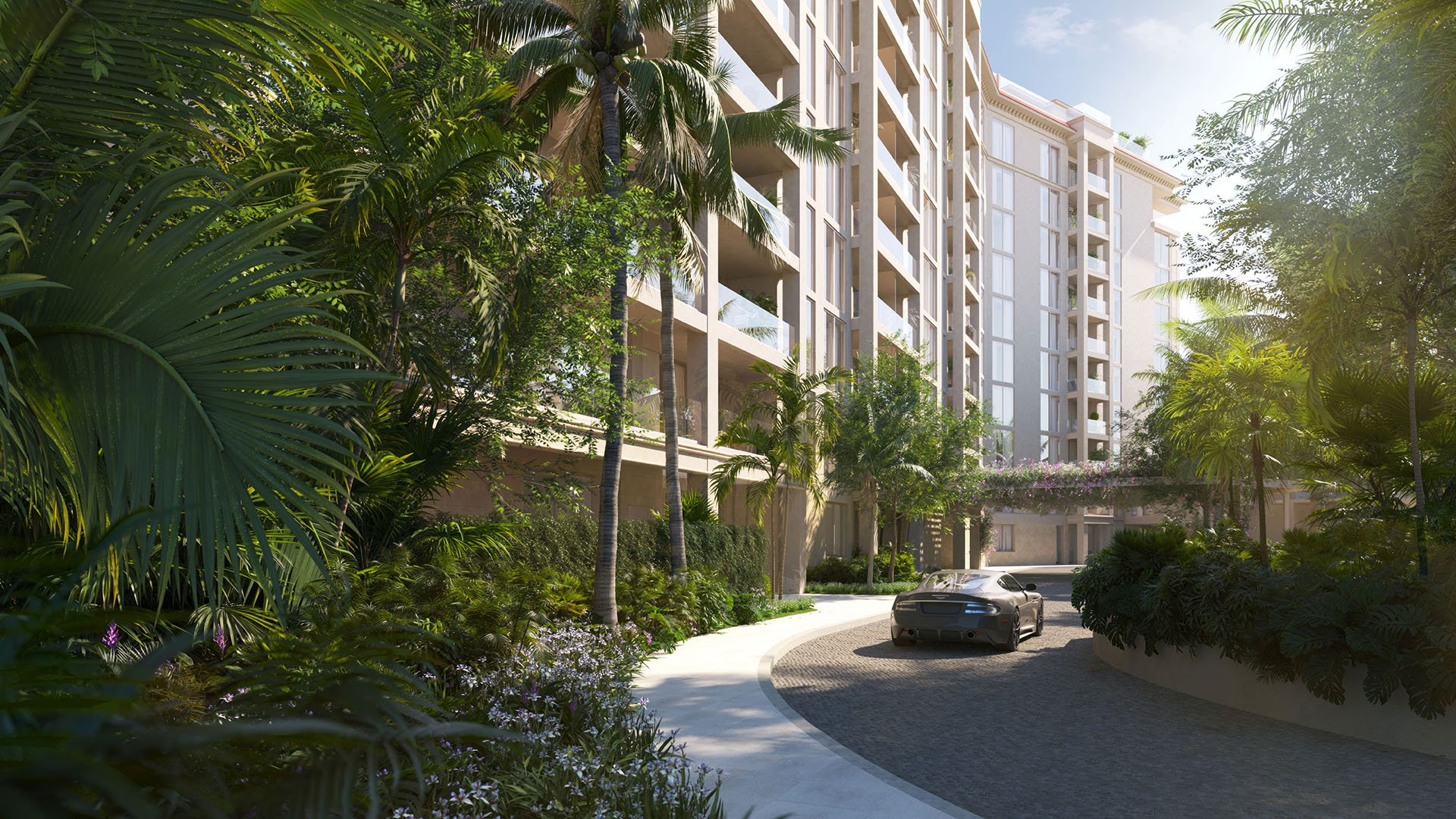
Bal Harbour is more accessible at the village level, but individual condominiums still control their own operations. Buyers considering Oceana Bal Harbour or Rivage Bal Harbour should verify staff-entry procedures, service elevators, delivery windows, guest lists, and any short-term occupancy restrictions for the relevant building and residence.
The same discipline applies on Fisher Island. Prospective owners reviewing Palazzo del Sol or The Residences at Six Fisher Island should treat access protocols as part of due diligence, not as a detail to resolve after closing.
Bal Harbour is compelling for an owner who values an easy relationship with dining, fashion, retail, and community events, along with the ability to scale domestic staffing around irregular occupancy. The village offers structure without requiring every social engagement to originate within a private club.
Fisher Island is compelling for an owner who places exceptional value on controlled access and prefers a member-oriented social environment. Its privacy comes with an administrative counterpart: outside personnel and guests require more deliberate advance coordination.
The decision should be tested against a real week in residence. Who arrives before the family? Does the chef work seasonally? How often do guests change? Are dinners spontaneous or planned through a club calendar? Will vendors need recurring clearance? These questions expose the true distinction between the two addresses.
Neither model is inherently more luxurious. Bal Harbour prioritizes permeability between home and village life; Fisher Island prioritizes separation and control. For the right household, either can feel seamless, provided the ownership structure, staffing plan, and building rules support how the residence will actually be used.
To compare residences and refine a South Florida ownership strategy, connect with MILLION.
If branded residences are on your mind — as a home or as an allocation — we would be glad to share what we are seeing, privately.
Begin a quiet conversationBal Harbour maintains a visible calendar of dining, fashion, and community programming for residents and visitors.
Fisher Island’s most visible programming is private and member-oriented, illustrated by its club Season Opener.
Yes. Documented placements include seasonal and long-term formats, with both live-in and live-out arrangements.
Available roles include estate managers, executive housekeepers, personal assistants, private chefs, butlers, nannies, domestic couples, and yacht crew.
Its controlled entry means household employees, caterers, vendors, and approved guests require advance authorization.
The available facts do not establish that. They support only that controlled access makes outside-personnel logistics more complex.
No. Publicly available event timing should not be treated as direct evidence of full-time or seasonal residency percentages.
Buyers should verify staff entry, service elevators, delivery windows, guest lists, vendor procedures, and short-term occupancy rules.
Bal Harbour is generally better aligned with that preference because its public village calendar complements nearby luxury retail and dining.
Fisher Island is the clearer fit for controlled entry, provided the household is comfortable planning staff, guest, and vendor access in advance.