A disciplined funding plan can turn Houston sale proceeds into closing-ready capital for a Downtown Miami purchase, with clear proof of funds, prudent currency timing, association preparation, and secure wire coordination.
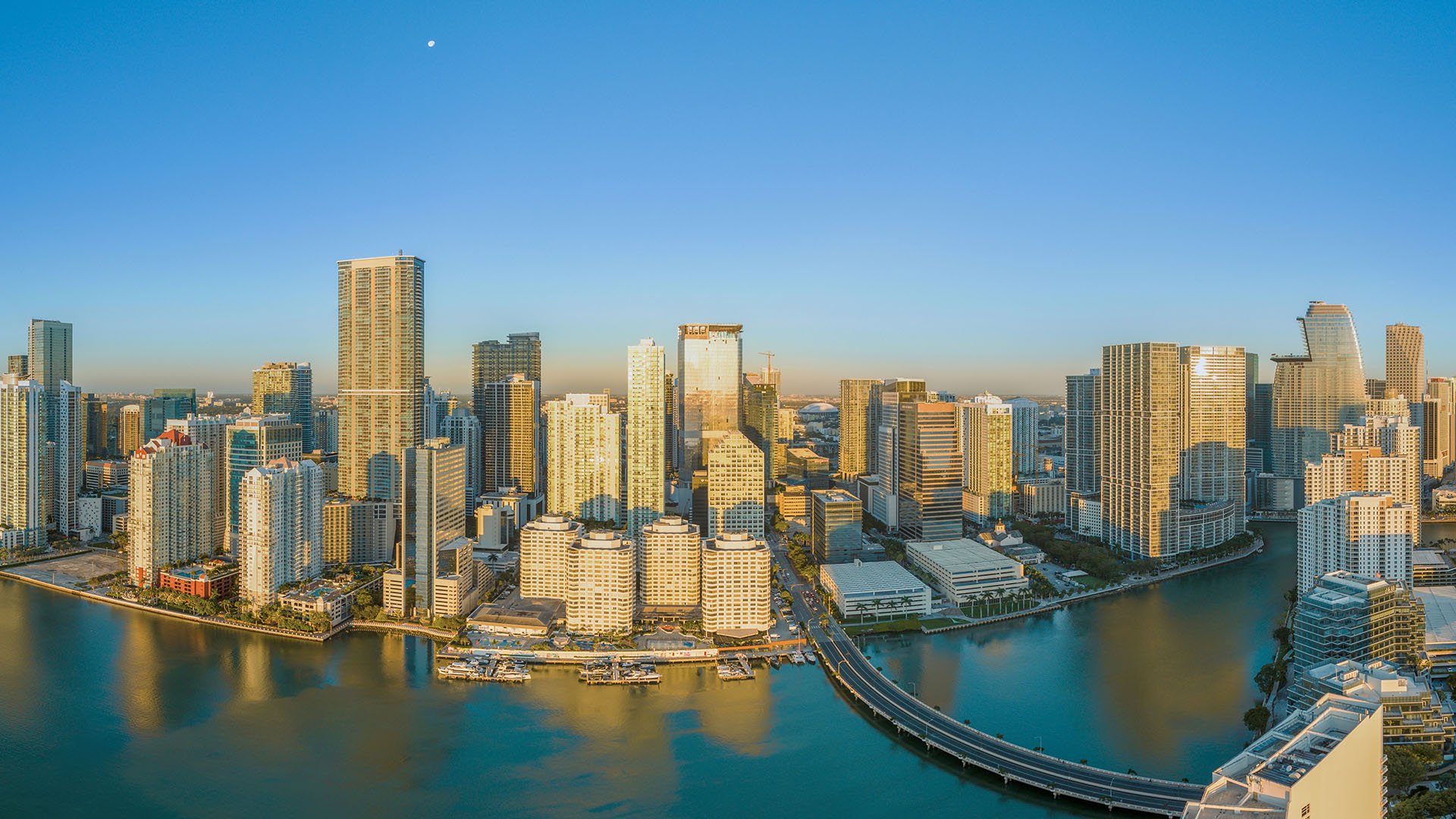
Selling in Houston and buying in Downtown Miami may look like a straightforward transfer of equity from one residence to another. In practice, a well-executed transaction must account for three separate clocks: the Houston sale, the Miami contract, and the banking system. If any portion of the capital is held in foreign currency, a fourth clock enters the plan.
The central question is not simply when the Houston proceeds arrive, but when they become documented, liquid, and transferable in the exact ownership name required for the Miami closing. That distinction matters whether the search centers on Aston Martin Residences Downtown Miami, Waldorf Astoria Residences Downtown Miami, or a resale condominium elsewhere in the urban core.
The best closing plan makes every dollar easy to identify, explain, and deliver.
A cash offer should include recent proof that readily available funds are sufficient for the purchase. Bank or brokerage statements are generally strongest when dated within 30 to 60 days and when they show liquid assets at least equal to the purchase price. Checking, savings, and liquid brokerage balances are commonly accepted. Home equity, retirement accounts, cryptocurrency, and margin accounts may not serve as primary proof.
Ask the listing agent whether the seller expects statements, a bank letter, or both, and whether account numbers may be partially redacted. A well-constructed bank letter should appear on institutional letterhead, identify the buyer and liquid account type, confirm sufficient funds, carry a recent date, and include a bank officer’s signature.
If the Miami offer precedes the Houston closing, anticipated sale proceeds are less persuasive than liquid funds already under the buyer’s control. One solution is to substantiate the offer with existing liquidity, then refresh the documentation after the Houston sale. The priority is to avoid presenting future equity as cash already available.
Once the Houston property closes, retain the certified closing statement. It can establish the source of the large deposit appearing in the receiving account. A deed may provide additional support when requested. Keeping these records together can reduce compliance questions and protect the schedule from avoidable delays.
The account owner must also connect clearly to the individual or entity acquiring the Miami residence. The cleanest final wire generally originates from an account held by the same person or LLC taking title. If the Houston property, receiving account, and Miami purchaser use different names, resolve the documentary chain with the relevant legal, tax, banking, and title advisers before funds begin moving.
This ownership alignment warrants early attention, particularly when comparing Downtown Miami with nearby Brickell opportunities such as Baccarat Residences Brickell. Property selection may be fluid at the outset; the purchaser’s identity and the source of capital should not be.
A Houston sale is a U.S.-dollar transaction, but the buyer may still have an international balance sheet, foreign-currency reserves, or an overseas account contributing to the purchase. If conversion is required, moving the converted balance into a U.S. account four to six weeks before closing creates a practical buffer for compliance review, transfer limits, and bank cutoffs. This is a risk-management window, not a universal legal deadline.
Avoid making the entire closing dependent on identifying one perfect exchange-rate moment. A more controlled approach is to establish the required dollar amount, identify the reserve above it, confirm conversion and transfer mechanics, and work backward from the title company’s funding deadline. Any staged conversion should be approved within the buyer’s banking and advisory framework while preserving a clear paper trail.
About two weeks before closing, confirm whether the sending bank can transfer the required amount in one transaction or through an approved sequence of wires. Daily and per-transaction limits can obstruct a closing even when the account balance is ample. Confirm time zones, internal approval procedures, and the latest initiation time for same-day processing as well.
Miami cash buyers should generally plan for closing costs of roughly 1.5% to 4% of the purchase price in addition to acquisition funds. The working reserve should also account for association charges, insurance, taxes, and post-closing work rather than reducing liquidity to the precise contract balance.
A typical luxury-condominium purchase may involve proof of funds, an escrow deposit of approximately 10%, inspection, association review, and closing through a Florida title company. The contract controls the actual obligations and dates. For a buyer considering Casa Bella by B&B Italia Downtown Miami, the project selection should be paired with a transaction-specific calendar rather than a generic closing assumption.
Condominium approval is a parallel workstream. An association may request recent statements, an escrow receipt, a certified-funds letter, or a bank reference. Documents prepared for the seller may therefore need to be refreshed or reformatted for the association. Treat association approval as part of funding coordination, not as an administrative task to revisit after the money has moved.
Place the Houston closing, receipt of sale proceeds, refreshed proof of funds, any foreign-exchange conversion, association submission, escrow dates, title deadlines, and final wire on one shared calendar. Assign responsibility for each item and identify the institution that must confirm completion.
The title company may require cleared funds before the contractual closing date, so confirm its exact escrow-funding deadline directly. Arrange the final closing wire three to five days in advance rather than initiating it on closing morning. A wire sent on the scheduled closing date may not clear in time, potentially delaying the closing or creating a contractual issue.
Florida closings generally require verified funds, usually by wire or, for smaller amounts, a certified check drawn on a U.S. bank. Cash, personal checks from foreign banks, payment-platform transfers, and cryptocurrency converted at closing are generally unsuitable as closing funds. Buyers should obtain the title company’s precise requirements rather than assume every form of available wealth is immediately closable.
Wire security is essential to luxury closing coordination. Independently confirm wiring instructions by calling the title company at a trusted number already on file. Do not rely on a telephone number supplied only in the wiring email. Confirm the beneficiary, bank, account details, and reference language before authorizing the transfer.
After sending the wire, retain the bank’s tracking or reference number and provide it to the title company. Request confirmation that the funds were received and credited-not merely that a transfer was initiated. Keep the wire receipt with the closing file.
Whether the objective is an investment, a second-home purchase, or a primary residence, precision creates negotiating confidence. A disciplined buyer’s-guide approach unites sale documentation, liquid proof, currency decisions, entity ownership, association review, and secure delivery of funds in one coherent plan.
For discreet guidance on coordinating your next South Florida purchase, connect with MILLION.
If branded residences are on your mind — as a home or as an allocation — we would be glad to share what we are seeing, privately.
Begin a quiet conversationExisting liquid assets are stronger proof if the Houston sale has not closed. After closing, refreshed statements can show the proceeds as available funds.
Bank or liquid brokerage statements should generally be dated within 30 to 60 days and show sufficient readily available assets.
Checking, savings, and liquid brokerage balances are commonly accepted. Home equity, retirement assets, cryptocurrency, and margin accounts may not qualify as primary proof.
Retain the certified closing statement and, if requested, the deed to establish the source of the deposited proceeds.
Converting and moving funds into a U.S. account four to six weeks before closing can provide a useful compliance and transfer buffer.
A cash buyer should generally budget roughly 1.5% to 4% of the purchase price, in addition to the acquisition funds.
The wire should generally be arranged three to five days before closing, subject to the title company’s exact cleared-funds deadline.
The cleanest arrangement is for the wire to originate from an account held by the same person or LLC taking title.
Call the title company using a trusted number already on file, then independently confirm the beneficiary and account details.
An association may request recent statements, escrow receipts, certified-funds letters, or bank references in addition to seller-facing proof.