For Seattle principals, Bal Harbour can be evaluated as part of a two-coast operating plan. Private aviation, ground-transfer discipline, residential fit, and properly documented domicile intentions all matter more than a Florida address alone.
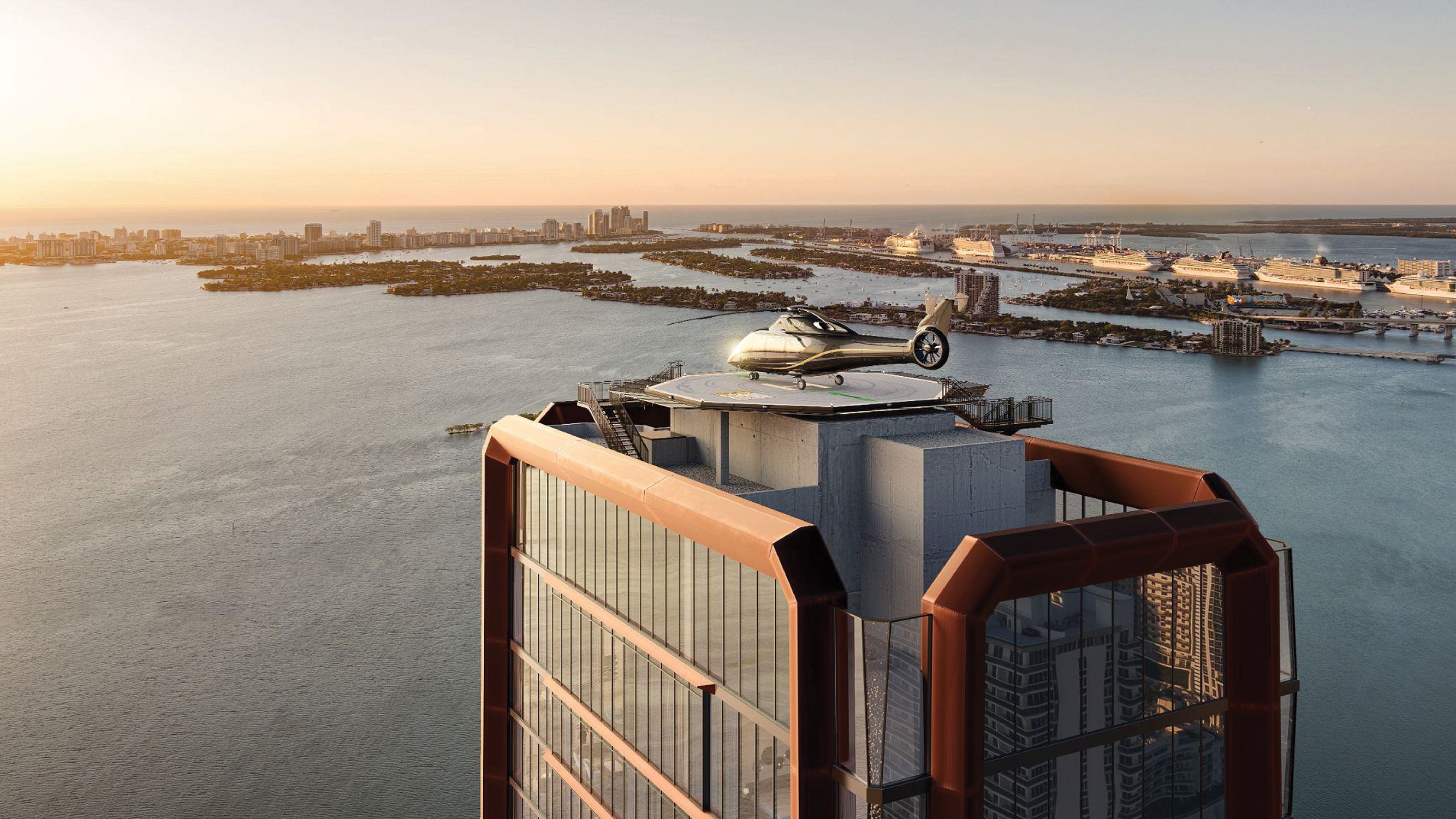
For Seattle-based principals, choosing a South Florida residence is rarely a simple comparison of views, finishes, and floor plans. It is an operating decision. The relevant questions begin with how reliably the household can move between the Pacific Northwest and South Florida, continue through airport-to-residence logistics, and conclude with whether the home genuinely supports the owner’s intended way of life.
That is why Bal Harbour often enters the conversation. It can be assessed as a discreet coastal base rather than merely a seasonal purchase. The strongest analysis brings together aviation planning, residence selection, personal routines, and professional domicile guidance. Each element must work independently, then function as part of a coherent whole.
Boeing Field/King County International Airport, identified by KBFI, supports a notable concentration of private-flight infrastructure. Its ecosystem includes multiple fixed-base operators, charter capability, aircraft-management services, private-terminal options, and facilities serving aircraft owners and charter clients. KBFI is among the busiest primary general-aviation airports in the United States.
For a Seattle household, that depth can provide meaningful choice when coordinating aircraft, service preferences, and departure arrangements. Charter flights from Boeing Field serve destinations across the Pacific Northwest and worldwide. Seattle-Tacoma International Airport also has a private-aviation facility, providing an alternative departure point when operational needs require it.
The practical lesson is not that one airport or terminal will suit every trip. It is that Seattle buyers can begin with an established private-aviation network and build repeatable procedures around it. Aircraft availability, handling requirements, weather, passenger needs, and onward transportation should be reviewed for every journey.
A private flight between Seattle and Fort Lauderdale spans approximately 2,700 miles and takes nearly six hours. Over a sector of that duration, the quality of the experience depends on more than the cabin. A delayed vehicle, an uncertain handoff, or a poorly timed arrival can erode the advantage of private aviation.
Before committing to a residence, buyers should request current drive-time models for the airports and terminals they expect to use. Those models should reflect likely arrival windows, not an idealized midday estimate. Weekday traffic, weekends, events, weather, security protocols, luggage volume, and traveling staff can all alter the experience.
This is where a second-home search becomes an exercise in systems design. The goal is a dependable chain from the Seattle residence to the aircraft, from the aircraft to the South Florida vehicle, and from the vehicle to the front door. A household traveling with children, pets, guests, or personnel should test the full sequence accordingly.
Bal Harbour offers a focused residential framework for buyers who prefer a coastal setting and a clearly defined home base. Yet the decision should remain property-specific. Buyers comparing Rivage Bal Harbour and Oceana Bal Harbour should evaluate the residence itself, building procedures, privacy expectations, service model, and compatibility with their travel habits rather than rely on the neighborhood name alone.
The same discipline applies when extending the search south to Surfside. The Surf Club Four Seasons Surfside and The Delmore Surfside can form part of a broader comparison, but no project should be treated as interchangeable with another. In geographic terms, this is an oceanfront and waterfront search, yet view orientation is only one part of the decision.
For a Seattle buyer, the more revealing questions are operational. How will an arrival be handled after a long flight? Does the residence support the owner’s preferred degree of discretion? Can family and staff follow consistent access procedures? Does the home feel appropriate for extended stays, not only brief escapes? These considerations turn a lifestyle aspiration into a workable residential plan.
A Florida residence alone does not establish domicile. Ownership and domicile are related planning matters, but they are not synonymous. A buyer should obtain individualized legal and tax advice before changing residence patterns, structuring ownership, or making declarations with legal consequences.
The prudent approach is coordinated and documented. Counsel and tax advisers can explain which actions are relevant to the buyer’s circumstances, while the family office can align records, calendars, travel, property use, and administrative routines. The objective is consistency between stated intent and actual conduct-not a collection of isolated gestures.
Timing also matters. The residential closing, move-in readiness, travel schedule, and professional planning process may proceed on different tracks. They should be coordinated before assumptions harden into decisions. Any domicile strategy must account for the individual’s complete circumstances, including continuing connections outside Florida.
This buyer’s guide begins with the routes a household actually expects to fly. Identify preferred Seattle departure facilities, likely South Florida arrival points, aircraft requirements, backup plans, and the people responsible for each handoff. Then test ground transfers at realistic times and repeat the exercise for both planned and disrupted travel.
At the residence level, review access protocols, privacy, staffing practicality, vehicle arrangements, owner services, maintenance during absences, and guest procedures. Confirm all current details directly during diligence. Marketing language should never substitute for reviewing the specific home and the rules governing its use.
Finally, place aviation and real estate decisions alongside the domicile plan. The best Bal Harbour choice is one that works first as a residence, integrates cleanly with a two-coast schedule, and supports a course of conduct shaped with qualified advisers.
Why does Boeing Field matter to Seattle private flyers? It concentrates multiple private-aviation, charter, terminal, and aircraft-management options at KBFI.
Is Seattle-Tacoma an alternative for private aviation? Yes. It also has a private-aviation facility, giving travelers another Seattle-area option.
How long is a private flight between Seattle and Fort Lauderdale? The approximately 2,700-mile sector takes nearly six hours.
Does private aviation eliminate the need to study ground transfers? No. Poorly planned vehicles, traffic, or arrival procedures can undermine long-sector efficiency.
Why might Bal Harbour appeal to a Seattle buyer? It can serve as a defined coastal base within a broader two-coast residential plan.
Should buyers compare individual buildings? Yes. Residence layout, procedures, privacy, services, and travel compatibility must be assessed property by property.
Does buying a Florida residence establish domicile? No. A Florida address alone does not establish domicile.
Who should advise on domicile? Buyers should retain qualified legal and tax advisers familiar with their complete personal circumstances.
What should a travel test include? It should model realistic departure times, arrival windows, traffic, luggage, passengers, staff, and backup arrangements.
What defines the strongest final choice? The residence should suit extended living, support reliable travel routines, and align with professionally guided planning.
To compare the best-fit options with clarity, connect with MILLION.
If branded residences are on your mind — as a home or as an allocation — we would be glad to share what we are seeing, privately.
Begin a quiet conversation