For Downtown Miami condominium buyers, exceptional service requires more than a staffed lobby. Written entry protocols, emergency decision-making, and clearly defined repair obligations reveal how a residence balances privacy, protection, and cost.

In Downtown Miami, the most consequential test of residential service may unfold behind a closed apartment door. A leak while an owner is abroad, a storm-related closure, or an unresponsive resident tests more than hospitality. Each raises three distinct questions: who can act, how that action is controlled, and who ultimately bears the expense.
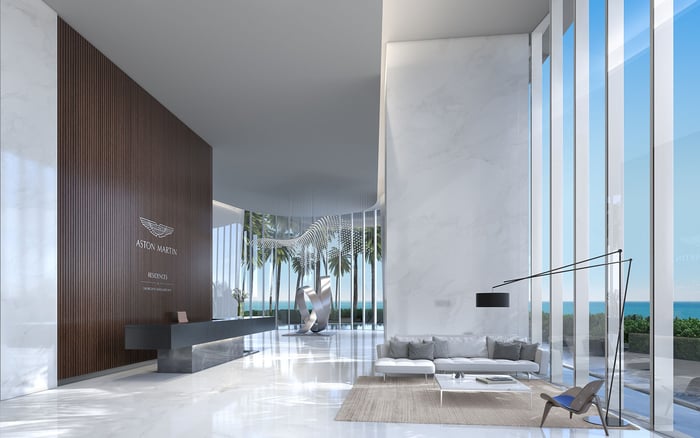
For buyers considering Aston Martin Residences Downtown Miami, the inquiry should extend beyond the presentation of amenities. Request the documents governing entry, escalation, and communication. Apply the same standard to every condominium under consideration; these are evaluation criteria, not statements about any named property's operating practices.
The strongest ownership proposition is neither unrestricted management access nor absolute separation from management. It is clearly bounded authority, supported by a service plan that respects the residence as a private home.
Under the 2025 Florida condominium framework discussed here, an association has an irrevocable right to access units during reasonable hours when necessary to maintain, repair, or replace common elements or portions of a unit it must maintain. Preventing damage to common elements or another unit is a separate basis for access, particularly relevant during an active leak.
That authority is distinct from expanded emergency powers, which have a statutory trigger tied to a declared state of emergency affecting the area encompassing the association. A maintenance-access situation and a declared-emergency decision are not interchangeable.
Nor does the statutory right of access itself establish a specific legal requirement that every owner supply a key. Condominium law does not specifically require owners to give the association one. Buyers should nevertheless review the building's governing documents and credential policies with counsel, rather than assume statutory silence settles every access question.
Ask management to distinguish the association's authority from the duties delegated to employees, security personnel, and outside contractors. A clear answer should identify both the decision-maker and the person carrying out the decision.
Legal permission to enter is not a complete privacy protocol. It does not, by itself, supply comprehensive procedures for vendor screening, interior photography, entry logging, or resident notification.
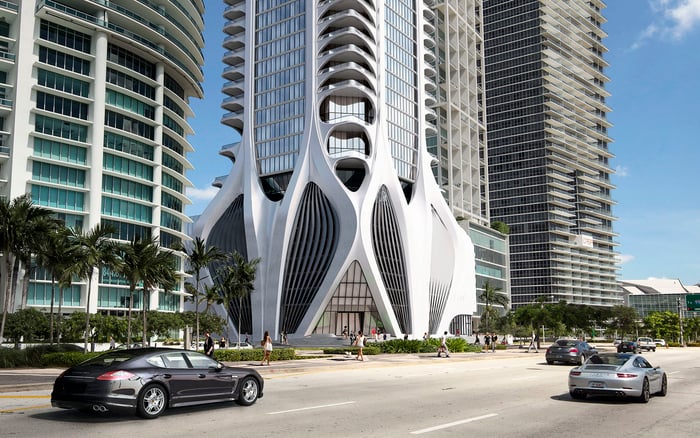
When evaluating One Thousand Museum Downtown Miami, take the same document-led approach: request the written rules governing emergency keys or digital credentials, authorized entrants, and notice when practicable. Ask whether contractors are accompanied and how the association records why entry occurred, who entered, and when the residence was secured afterward.
Interior documentation deserves particular attention. Ask what photographs may be taken, how they are stored, and who may receive them. The policy should also address pets and sensitive resident information. These are recommended diligence points, not claims that each procedure is statutorily mandated.
For an absent owner, agree on a contact sequence that includes an authorized representative. The objective is to make privacy and timely intervention compatible, rather than leave staff to improvise that balance during an incident.
A hurricane plan should explain decisions before, during, and after the event. Request specifics on generator coverage, elevator shutdown procedures, water-shutoff authority, after-hours staffing, and communications with owners who are away. Ask which functions remain available; the presence of a generator is not an answer in itself.
Within the statutory conditions for emergency powers, boards may determine that portions of condominium or association property are unavailable for entry or occupancy to protect health, safety, or welfare. Such decisions require an advisory basis involving emergency-management officials, public-health officials, or licensed professionals retained by or otherwise available to the board.
A declared emergency does not automatically extinguish resident access. The framework protects access by owners, tenants, guests, agents, and invitees when necessary for ingress, egress, habitability, or health and safety. Exceptions include access prohibited by a governmental order or determination, or an applicable federal public-health directive; reasonable association restrictions may also apply.
Ask how closure and re-entry decisions are communicated, what advice supports them, and how residents learn that conditions have changed. Review these procedures alongside the hurricane plan, not merely as a concierge question.
A leak demands a sequence of actions, but authority to intervene does not settle every payment question. Separate source isolation, drying, common-property repairs, and private-interior restoration when reviewing responsibilities. Ask who authorizes each stage and what documentation owners receive.
Common-element maintenance generally belongs to the association. The declaration may, however, assign maintenance of particular limited common elements to unit owners. That makes the declaration and maintenance matrix essential reading, not administrative background.
For a purchase evaluation involving Casa Bella by B&B Italia Downtown Miami, request those documents alongside master-policy deductibles, owner-coverage requirements, budgets, reserves, and assessment history. No service description substitutes for that review.
Have counsel and an insurance adviser examine the relevant documents before drawing conclusions about a particular loss. Do not assume that association entry means association payment, or that the location of visible damage establishes final responsibility. The goal is to understand both the immediate response and potential owner exposure before an incident occurs.
Property-maintenance access authority should not be presented as blanket authorization to enter for a medical emergency. Ask management how staff contact 911, coordinate responder access, respond to an unresponsive resident, and document forced entry. Clarify the respective roles of staff and emergency responders.
The distinction between concierge availability and operational capability matters here. Ask separately about engineering coverage, restoration-vendor availability, incident escalation, and absent-owner communications. A round-the-clock desk does not resolve those staffing and response questions.
These questions seek a defined response process, not a promise of clinical care or a guaranteed arrival time. Sensitive contact and medical information also warrants a clear handling policy.
For buyers considering Waldorf Astoria Residences Downtown Miami, branding should not replace a close reading of management authority. Compare the same criteria: entry rules, storm procedures, leak escalation, medical-response coordination, and cost allocation. Distinguish written commitments from general descriptions of service.
Before purchase, request a document review with management, counsel, and an insurance adviser. Look for agreement between the governing documents and the operational explanation. An elegant service offering becomes more meaningful when its limits are equally clear. The aim is not to predict every emergency, but to understand who decides, how privacy is protected, and where financial responsibility requires scrutiny.
Explore Downtown Miami residences with MILLION and make management diligence part of your next property conversation.
If branded residences are on your mind — as a home or as an allocation — we would be glad to share what we are seeing, privately.
Begin a quiet conversationAn association has an irrevocable access right during reasonable hours for necessary work on common elements or association-maintained portions of a unit. Preventing damage to common elements or another unit is also a basis for access.
Florida condominium law does not specifically require owners to give the association a key. Buyers should still review governing documents and credential policies with counsel.
The statutory trigger is tied to a declared state of emergency affecting the area encompassing the association. Those powers are distinct from ordinary maintenance-access rights.
Within statutory conditions, a board may determine that portions of the property are unavailable for entry or occupancy to protect health, safety, or welfare. The decision requires an advisory basis involving designated officials or licensed professionals.
No. Necessary access remains protected subject to reasonable association restrictions and exceptions for governmental prohibitions or an applicable federal public-health directive.
Request written policies for keys or credentials, authorized entrants, notice when practicable, entry logs, interior photographs, pets, and sensitive information. These are diligence recommendations rather than a claim that every procedure is legally mandated.
No. Review source isolation, drying, common-property repairs, and private-interior restoration separately against the governing documents and applicable insurance coverage.
The association generally maintains common elements. The declaration may assign maintenance of particular limited common elements to owners.
No blanket medical-entry authorization should be inferred from property-maintenance access rights. Ask about 911 contact, responder access, unresponsive-resident procedures, and documentation of forced entry.
Concierge availability does not establish engineering coverage, restoration-vendor availability, or a particular response time. Ask separately about each function, escalation procedures, and communications with absent owners.