For Vancouver buyers considering Downtown Miami, hurricane readiness belongs in the purchase brief. Address-level screening, documented emergency access, precise generator coverage and a disciplined inspection plan offer a more useful framework than assumptions about a tower’s height or prestige.
For a Vancouver buyer considering Downtown Miami, the residence brief should extend beyond views, finishes and service. Hurricane readiness warrants a separate review: the address, the building’s operating procedures, the household’s evacuation needs and the sequence for returning after a storm. This is not a comparison of Vancouver and Miami hazards, but a practical framework for owning with greater clarity in South Florida.
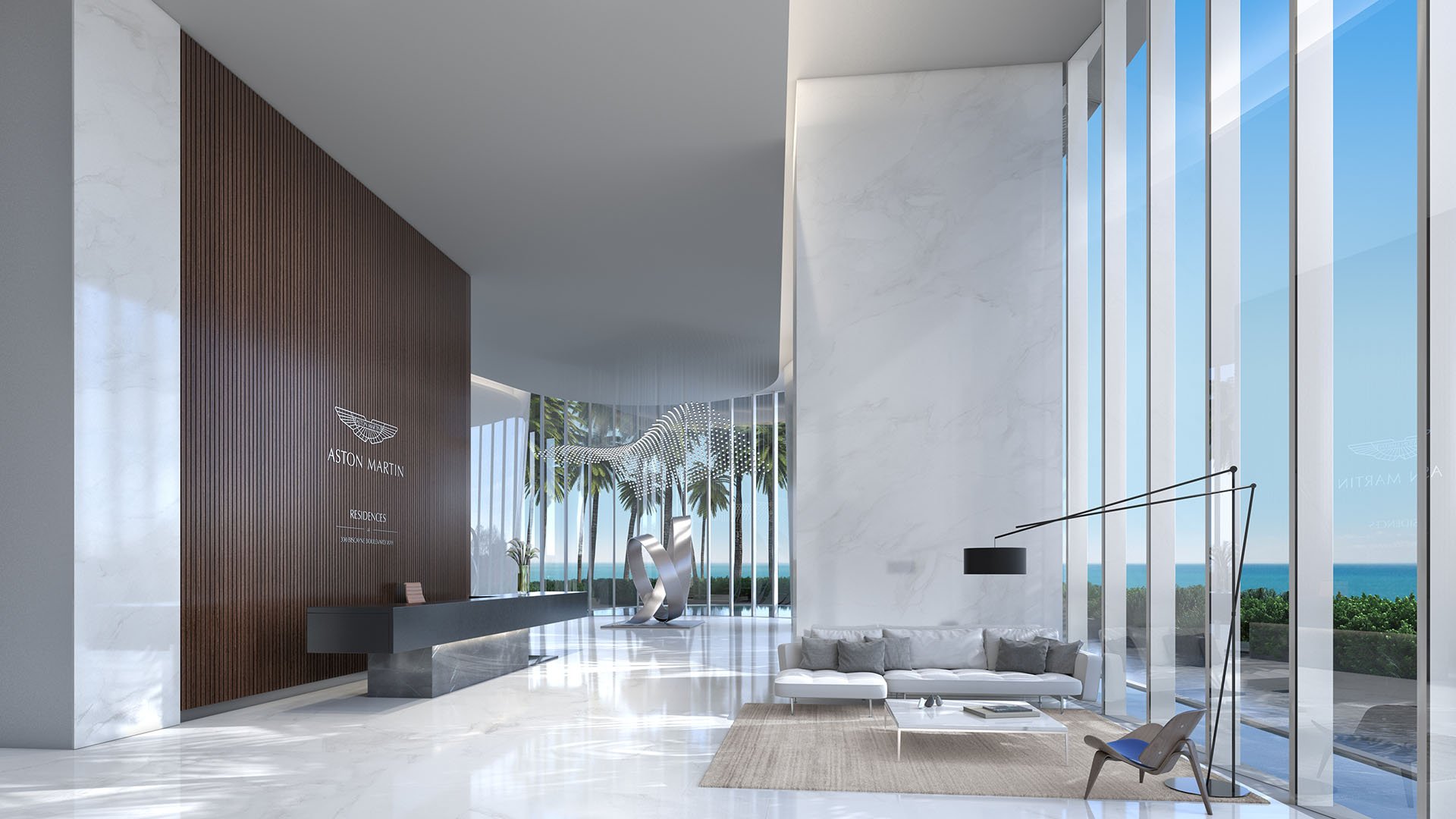
The essential distinction is between a beautiful residence and a documented continuity plan. A buyer considering Aston Martin Residences Downtown Miami should request the same operational detail as a buyer considering any other address. A project name is not evidence of generator capacity, emergency access or post-storm habitability. Those questions require property-specific documentation.
For an owner who may be in Vancouver when a storm approaches, responsibilities should be assigned before they become urgent. Establish who receives alerts, communicates with management and arranges authorized access when conditions permit.
Start with the exact property address, not the Downtown Miami label. Review its storm-surge planning zone as part of the purchase assessment.
Storm-surge planning zones and FEMA flood zones are different designations. Check both rather than treating either as a complete account of exposure. Neither, on its own, explains how a particular building protects equipment or manages access.
Evacuation instructions can apply to zones or partial zones. When an order is issued, consult the current official evacuation map rather than assuming every property in the neighborhood has identical instructions.
Turn the address review into practical questions: how would flooded roads, garage closures or elevator restrictions affect departure? An upper-floor residence does not remove the need to evaluate the route from the apartment to the street and onward to the evacuation destination.
Request the building’s written evacuation triggers, elevator shutdown procedures, staffing arrangements and resident communication plan. Ask how management communicates when ordinary channels are unavailable, who coordinates emergency access and how residents learn that re-entry has been authorized.
When evaluating One Thousand Museum Downtown Miami, for example, request documentation rather than assume services are available. Clarify how garage access is handled, whether owners must move vehicles before closures and what arrangements exist for residents who cannot comfortably use stairs.
Keep the household plan separate from the building plan. Identify a destination, transportation and an alternate route. Prepare essential medications and documents, establish a communication arrangement and make provisions for pets or medical equipment. The county’s Emergency Evacuation Assistance Program supports residents who need specialized transportation or whose medical needs prevent independent evacuation; investigate that option in advance where relevant.
Keep 311 available for shelter and evacuation-route information. Treat the household’s mobility needs as a planning priority, not a detail to resolve when elevators are restricted.
“Backup power” is a starting point for questions, not a complete specification. Request a written schedule identifying which elevators, pumps, gates, lights, communication systems and in-unit circuits receive generator power. Do not assume apartment air conditioning or refrigeration is included.
For a purchase under consideration at Waldorf Astoria Residences Downtown Miami, seek the same detail from the appropriate project or building representative. Distinguish documented operating capability from planned provision, and ask what remains subject to confirmation.
The equipment review should cover testing and maintenance records, fuel capacity, expected runtime under the stated load, refueling arrangements and transfer-switch testing. Ask how the generator and associated equipment are protected from flooding. A runtime figure is useful only when its operating assumptions are clear.
Permanent-generator elevation guidance for existing homes should not be treated as condo-specific approval. Confirm the permitting authority and applicable requirements for the exact property. The objective is to establish which essential functions can continue, under what conditions and for how long.
A portable generator is not a shortcut around an unclear condominium power plan. Confirm applicable permitting requirements and building restrictions before considering any connection or installation.
Portable generators must operate outdoors in well-ventilated locations, away from windows, doors, vents and other openings because of carbon-monoxide danger. “Outdoors” alone does not confirm that a particular condominium location is suitable. Establish building restrictions and safe operating requirements rather than improvising after an outage.
For a household dependent on medical equipment, resolve evacuation arrangements and power requirements before a storm. Keep 1-800-4OUTAGE available for Florida Power & Light outage reporting, along with a separate management contact for building-specific service information.
Whether considering a resale residence or another purchase opportunity, request association insurance information, deductibles, reserves, repair history and special assessments. Confirm unit-level coverage separately. Review these materials with the appropriate insurance and property advisers to clarify responsibilities before closing.
A buyer comparing Casa Bella by B&B Italia Downtown Miami with other residences should distinguish available operating records from proposed procedures. Ask which documents describe current conditions and which describe future arrangements. Neither presentation quality nor a broad assurance replaces a specific answer.
For a Vancouver-based owner, establish a local inspection contact and a clear authorization process. Decide who can arrange qualified assessments, communicate with insurers and retain expense records once safe access is permitted. Put those responsibilities in writing alongside the building’s emergency contacts.
After evacuation, wait for official authorization to return. An apparently undamaged apartment is not sufficient reason to enter. Confirm building-specific access arrangements, including elevator and garage restrictions, before traveling back.
Once safe access is authorized, photograph damage, notify insurers promptly and retain receipts for emergency repairs and related expenses. Arrange qualified checks of the unit’s envelope, moisture intrusion, electrical systems and HVAC. In parallel, ask about association checks of garages, pumps, generators, elevators and fire-protection systems.
Verify required permits with the responsible authority and use licensed contractors for storm repairs. Keep official inspection matters distinct from the household’s condition assessment; each has a role in a disciplined return.
The strongest residence strategy connects the address, the building and the household in one written plan. Explore Downtown Miami residences with a more considered ownership brief at MILLION.
If branded residences are on your mind — as a home or as an allocation — we would be glad to share what we are seeing, privately.
Begin a quiet conversationScreen the exact property address for storm-surge exposure and review its flood-zone designation separately. A neighborhood label does not replace an address-level assessment.
No. They are different designations and should be checked separately when evaluating a residence.
No. Evaluate the route from the apartment to the street and onward, including potential elevator restrictions, garage closures and flooded roads.
No. Orders can apply to zones or partial zones, so residents should check the current official evacuation map for their location.
Request written evacuation triggers, elevator shutdown procedures, staffing plans, resident communications, emergency-access arrangements and re-entry authorization procedures.
No such coverage should be assumed. Request a written schedule of supported systems and in-unit circuits, including whether air conditioning or refrigeration is covered.
Review testing and maintenance records, fuel capacity, expected runtime, refueling arrangements, transfer-switch testing and flood protection. Clarify the load assumptions behind any runtime estimate.
It should not be treated as a substitute. Confirm permitting requirements, building restrictions and safe operating requirements; outdoor placement alone does not establish suitability for condominium use.
The county’s Emergency Evacuation Assistance Program supports residents who need specialized transportation or whose medical needs prevent independent evacuation. Investigate arrangements before a storm.
Photograph damage, notify insurers promptly and retain expense receipts. Arrange qualified unit inspections and ask management about checks of shared building systems.