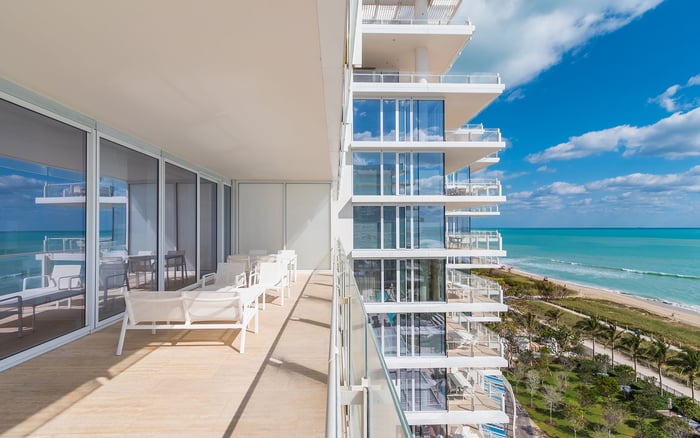
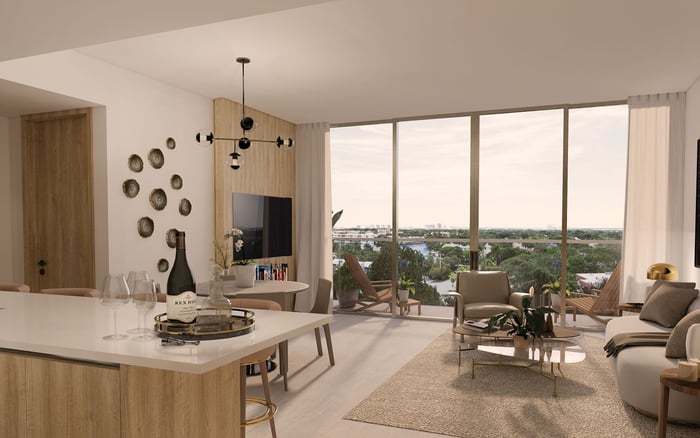
A considered departure plan separates residential services from absence inspections and emergency authority. For Surf Club owners, written scope, clear spending permissions, and a documented escalation path are essential preparations.

The most reassuring luxury is knowing what happens when you are elsewhere. At The Surf Club Four Seasons Surfside, preparing a residence for an extended absence begins with three distinct questions: which services are included, who will inspect the apartment, and who may authorize action if something goes wrong.
Each question deserves a separate written answer. A concierge relationship, building security, and emergency repair availability serve different purposes; none alone establishes comprehensive oversight of an unoccupied home. Permission to enter is not permission to commission unrestricted work.
The private-residence address is 9101 Collins Avenue, Surfside, Florida 33154; the hotel address is 9011 Collins Avenue. The accommodation categories are also distinct: 156 private residential apartments and 25 hotel residences. An owner's instructions should identify the correct residence and service arrangement rather than rely on the hotel identity alone.
The residential service baseline includes a Designated Director of Residences and a Designated Four Seasons Residential Concierge, along with doorman and bellman services, a direct telephone line to the hotel switchboard, and 24-hour on-call emergency repair.
Security provisions include 24-hour security, patrols, closed-circuit cameras, and secured residential-floor access. Maintenance includes air-conditioning filter changes and inspections, exterior window cleaning, balcony cleaning, and sliding-door maintenance. These are meaningful services, but they do not establish a comprehensive vacant-residence inspection program.
The distinction between included services and à-la-carte offerings matters. Pre-arrival and grocery provisioning, housekeeping, butler services, and in-residence spa and dining are à-la-carte offerings. Residence maintenance and repair services are available, but unlimited repair coverage and a current fee schedule are not established.
Likewise, twice-daily housekeeping and a 24-hour concierge for hotel-suite accommodations should not be treated as blanket entitlements for privately owned apartments. Before departure, request the current service agreement and clarify which activities carry separate charges.
Scheduled absence checks, humidity monitoring, leak-sensor coverage, storm preparation, and post-storm inspection rounds are not established as guaranteed residential services. Owners should negotiate and document these arrangements rather than infer them from the broader service offering.
A useful absence-check agreement should specify:
Frequency and coverage: Set the visit schedule, rooms to be entered, and areas excluded from routine inspection.
Environmental observations: Define HVAC checks, humidity readings, visible leak checks, and any sensor responsibilities.
Storm duties: Assign preparation tasks and post-storm inspections, subject to safe and lawful access.
Reporting and fees: Agree on written updates, photographs, escalation triggers, and charges.
This is an owner-side recommendation, not a statement of Surf Club policy. Each task needs a designated responsible party and a clear response when an observation falls outside agreed parameters. A humidity reading, for example, is useful only if someone knows when and how to escalate it.
For buyers also considering Fendi Château Residences Surfside, the same questions offer a disciplined basis for comparison. Evaluate each property's actual agreements without assuming that nearby addresses share inspection programs or management authority.
An effective authorization distinguishes permission to enter, permission to investigate, and permission to spend. It should identify the primary owner contact, a backup decision-maker, authorized management personnel, and emergency vendors, with a clear escalation sequence if the owner cannot be reached.
Neither a universal emergency-spending limit nor a named individual empowered to approve costly work inside an owner's apartment is established. Resolve those details in the owner's operative agreements rather than infer them from a staff title or the availability of emergency repair.
Ask counsel to structure spending limits by incident and type of action. Define whether an urgent-action exception applies, what it permits, and what notice must follow. Distinguish temporary damage containment from remediation, demolition, replacement, or cosmetic restoration. Authority to stop an active problem should not silently become authority to redesign the affected room.
The plan should also establish continuity during incapacity. A backup contact needs clearly documented authority, not simply a place in a telephone directory.
A practical owner-side matrix can separate four categories, clarifying responsibilities while respecting applicable law and governing documents.
Life safety:
Identify the emergency contact sequence and clarify that owner approval procedures must not obstruct necessary emergency response.
Active damage prevention:
Specify who may arrange immediate containment, the applicable spending authority, and the process when the owner is unreachable.
Common-element protection:
Distinguish association responsibilities and access rights from privately commissioned work. Do not assume the association, residential-management team, and hotel act under interchangeable authority.
Discretionary owner-funded work:
Reserve nonurgent replacement, upgrades, and aesthetic decisions for express approval by the owner or authorized representative.
For every material incident, request prompt notice, timestamped photographs, relevant readings, vendor details, invoices, and a record of who authorized each significant action. Documentation should explain what happened and, if the response exceeded routine care, why.
Florida condominium access rights are distinct from private service permissions. An association has an irrevocable right of access during reasonable hours when necessary for common-element maintenance, repair, or replacement, or to prevent damage to common elements or another unit.
Florida law does not specifically require an owner to provide the association with a key, but statutory access rights still apply. Review practical key and fob arrangements alongside governing documents and emergency-access policies.
Conditional statutory emergency powers can include determining that property is unavailable for entry or occupancy based on advice from emergency-management officials, public-health officials, or licensed professionals. Those powers are not unrestricted: limitations also apply to prohibiting access for specified purposes during a governor-declared emergency.
Have a Florida condominium attorney and the owner's insurer review the final authorization, particularly spending exceptions, access provisions, and continuity arrangements.
Before leaving, assemble one current instruction set covering keys and fobs, alarms, HVAC and water settings, insurance contacts, valuables, perishables, pets, and plants. Confirm that the responsible parties have accepted their roles and understand the communication protocol.
The same document-based approach is useful when evaluating Four Seasons Hotel & Private Residences Fort Lauderdale: a shared brand should never substitute for property-specific service terms.
For a Surf Club owner, the objective is straightforward: establish what will be observed, who may act, and where authority stops. That clarity preserves both the residence and the discretion that makes ownership feel effortless.
Explore South Florida residences with a more considered ownership perspective at MILLION.
If branded residences are on your mind — as a home or as an allocation — we would be glad to share what we are seeing, privately.
Begin a quiet conversationPrivate-residence materials identify 9101 Collins Avenue, Surfside, Florida 33154. This differs from the hotel's 9011 Collins Avenue address.
The residential scope identifies a Designated Director of Residences and a Designated Four Seasons Residential Concierge. Their titles alone do not establish authority to approve costly work inside an owner's apartment.
No such authority is established by the published service scope. Owners should document spending permissions, limits, and urgent-action exceptions separately.
Scheduled absence checks are not established as guaranteed services. Owners should obtain a written agreement covering frequency, inspection areas, reporting, and fees.
The residential scope does not establish humidity monitoring, leak-sensor coverage, storm preparation, or post-storm inspection rounds as guaranteed services. Any arrangements should be confirmed explicitly.
Housekeeping is identified as an à-la-carte residential offering. Hotel-suite housekeeping provisions should not be assumed to apply to privately owned apartments.
Listed services include air-conditioning filter changes and inspections, exterior window cleaning, balcony cleaning, and sliding-door maintenance. These do not constitute a comprehensive absence-check program.
Florida condominium law provides association access rights during reasonable hours for specified common-element work or to prevent damage to common elements or another unit. Those rights are distinct from an owner's private service authorization.
Florida law does not specifically require an owner to provide a key, although statutory access rights still apply. Owners should review governing documents and practical access arrangements with counsel.
Request prompt notice, timestamped photographs, relevant readings, vendor details, invoices, and a record of material authorizations. These requirements should be included in the agreed response plan.