A buyer-focused framework for separating residential assessments from hotel charges, reviewing shared-service allocations, clarifying gratuities, and controlling discretionary spending at The Surf Club.
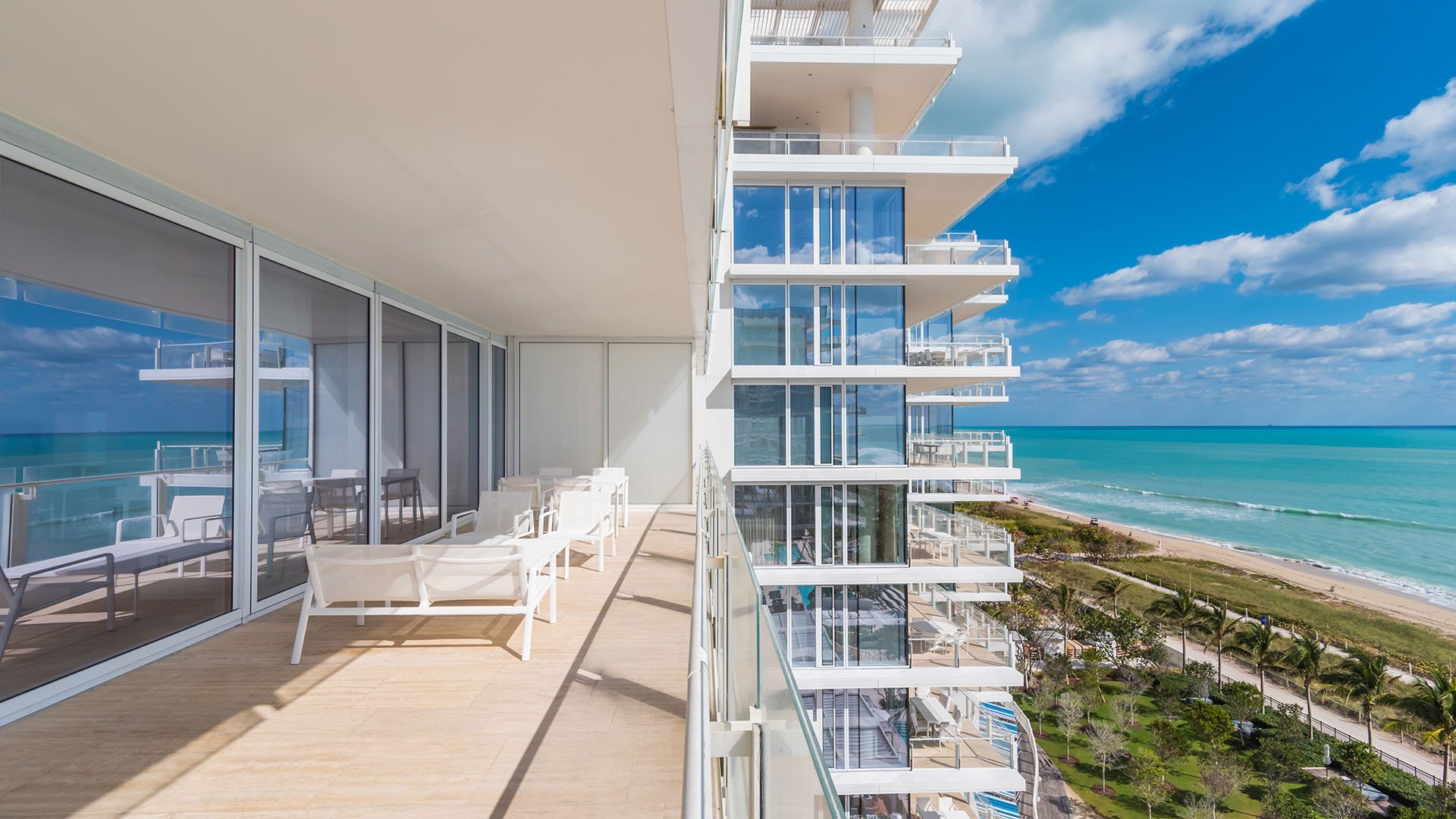
At The Surf Club Four Seasons Surfside, the ownership conversation should distinguish the residence from the hotel-and both from optional services. The property at 9011 Collins Avenue, Surfside, Florida 33154 combines a Four Seasons hotel with branded residences. That combination makes precise financial boundaries essential.
For a prospective owner, the question is not simply how much monthly dues cost. It is which services those dues cover, which expenses can change, and which transactions require separate authorization. Residential assessments, hotel charges, and discretionary purchases belong in distinct columns of the ownership budget.
The objective is predictability, not austerity. A well-designed arrangement lets a household enjoy attentive service without having to decipher every receipt after the fact.
Begin with the approved association budget and amendments, audited financial statements, reserve study, and three years of actual-versus-budget results. Ask counsel to separate recurring operating expenses from reserve contributions and pending assessments. A monthly figure is meaningful only when its inclusions and exclusions are clear.
Indicative monthly dues estimates include approximately $5,104 for a one-bedroom and $27,952 for a seven-bedroom. These are screening figures, not association-issued or unit-specific confirmations. They should not be treated as a schedule based on bedroom count.
Reconcile the selected residence’s quoted dues with the declaration’s allocation formula and current estoppel information. Identify separately billed services, insurance obligations, outstanding balances, and pending assessments. Ask management to explain material differences between the seller’s stated carrying costs and the association’s documents.
For buyers also considering Fendi Château Residences Surfside, apply the same document-led comparison. Compare verified obligations and service inclusions rather than assuming two monthly figures cover equivalent benefits.
Next, establish how costs move between hotel operations and residential ownership. Request the hotel-residential shared-services agreements and the schedules governing staffing, utilities, and other shared expenses. Have counsel identify the allocation method, reconciliation timetable, and any association audit rights.
Ask management to walk through an actual reconciliation. Which expenses are fixed, which depend on usage, and how are adjustments approved? Who checks the allocation, and how can the association challenge a discrepancy? The purpose is clarity, not a presumption that any particular allocation is improper.
Confirm with the association the inclusion of a brand-management fee in monthly dues, along with its specific amount and treatment. Request the management and license agreements identifying fee calculations, escalation provisions, renewal terms, and termination rights. Establish whether quoted dues already include each applicable fee before adding it to the budget.
A brand name does not establish a uniform owner fee schedule. Buyers comparing The Surf Club with Four Seasons Hotel & Private Residences Fort Lauderdale should request a separate inclusion-and-exclusion schedule for each property. Do not transfer one property’s billing assumptions to another.
Hotel pricing also belongs outside the residential assessment calculation unless owner documents establish otherwise. Indicative hotel charges have included a $57.20 nightly resort fee for each accommodation, subject to applicable taxes, and $55 nightly valet parking with in/out privileges. Neither figure establishes a residential obligation or a guaranteed current charge.
Request a written fee matrix distinguishing owners, tenants, visitors, and hotel guests. It should address discounts, exclusions, minimum spends, parking arrangements, and any waived fees. Advertised room rates may include or exclude various fees, taxes, service charges, and gratuities under hotel offer terms, reinforcing the need for a resident-specific answer.
A service charge and an optional gratuity are not interchangeable. Do not assume a mandatory charge replaces a discretionary tip or reaches employees in full. Ask management who receives each charge, whether any portion is retained, and how receipts explain the distinction.
Request sample receipts and point-of-sale screens for the services your household expects to use. The calculation matters as much as the percentage: does a service charge apply only to food and beverages, or also to delivery and administrative fees? How are taxes and suggested tips calculated?
Dining menus do not establish a comprehensive resident gratuity policy. Seek written guidance distinguishing mandatory charges from optional gratuities, then set household preferences accordingly. A consistent approach is more discreet than asking staff to resolve an ambiguous billing policy during service.
Menu prices provide useful planning benchmarks, not a complete delivered cost. In-room breakfast pricing includes a seasonal mixed fruit plate at $28 and yogurt and granola at $28. All-day menu pricing includes a $40 burger, a $38 club sandwich, and a 50-gram caviar service at $440, before separately applicable charges. Confirm current prices and resident terms before relying on them.
Build the discretionary budget around anticipated use, then request sample all-in bills. Frequency, guest activity, and additional charges can matter as much as menu selection. Do not treat a food subtotal as the final household expense.
Ask whether management can implement named authorized users, transaction limits, approval thresholds, and restrictions on guest charging. Confirm how permissions are changed when visitors depart and whether household representatives can receive itemized statements. These are requested controls, not assumed features.
Establish duplicate-charge safeguards, a dispute procedure, and advance notice arrangements for price changes. Ask how a disputed item is handled during review and who has authority to resolve it. Written procedures make oversight practical even when the owner is away.
The private-event offering includes food-and-beverage events and a private dining room seating 18. For an owner planning intimate entertaining, the essential document is a detailed event proposal, not a menu alone.
Request a sample banquet event order showing minimum spends, administrative fees, service charges, taxes, gratuities, cancellation terms, and any resident discounts. Ask which items count toward the minimum and whether added services require fresh authorization. Confirm the final approval process before committing to an event.
Before committing to a purchase, assemble three practical records: a verified unit carrying-cost schedule, a resident service-and-fee matrix, and a household authorization plan. Counsel should address the contractual obligations; management should explain how billing works in practice.
The strongest outcome is not a promise that costs will never change. It is a clear account of who may change them, how notice is delivered, and what the owner can review or contest. That clarity protects the ease of ownership the service offering is intended to provide.
For a considered approach to South Florida’s luxury residential market, explore MILLION.
If branded residences are on your mind — as a home or as an allocation — we would be glad to share what we are seeing, privately.
Begin a quiet conversationThe Surf Club is at 9011 Collins Avenue, Surfside, Florida 33154. The property combines a Four Seasons hotel with branded residences.
No. Hotel charges do not establish residential obligations; confirm any owner liability through the applicable residential documents and fee schedule.
They are screening figures, not unit-specific confirmations. Reconcile the selected residence’s dues with its allocation formula, current estoppel information, and association documents.
Request the approved budget and amendments, audited financial statements, reserve study, and three years of actual-versus-budget results. Review pending assessments and separately billed obligations as well.
Request the shared-services agreements, staffing and utility allocations, reconciliation procedures, and association audit rights. Ask management to explain an actual reconciliation.
A brand-management fee has been described as a dues component, but its amount and treatment require confirmation with the association. Review the relevant management and license agreements.
Do not assume that it does or that the full charge goes to employees. Request written clarification of distribution, retention, and the distinction between mandatory charges and optional gratuities.
Not necessarily. Confirm current prices and obtain sample receipts showing any additional service charges, delivery or administrative fees, taxes, and optional gratuities.
Ask about authorized users, spending limits, approval thresholds, guest charging restrictions, and itemized statements. Confirm availability and document the dispute and duplicate-charge procedures.
It should identify minimum spends, administrative fees, service charges, taxes, gratuities, cancellation terms, and any resident discounts. Confirm which items count toward the minimum and how additions are authorized.