
For seasonal collectors in Fort Lauderdale, an art-ready residence requires more than beautiful walls. Verify measured light exposure, material-specific climate settings, installation details and written insurance terms before leaving a collection unattended.
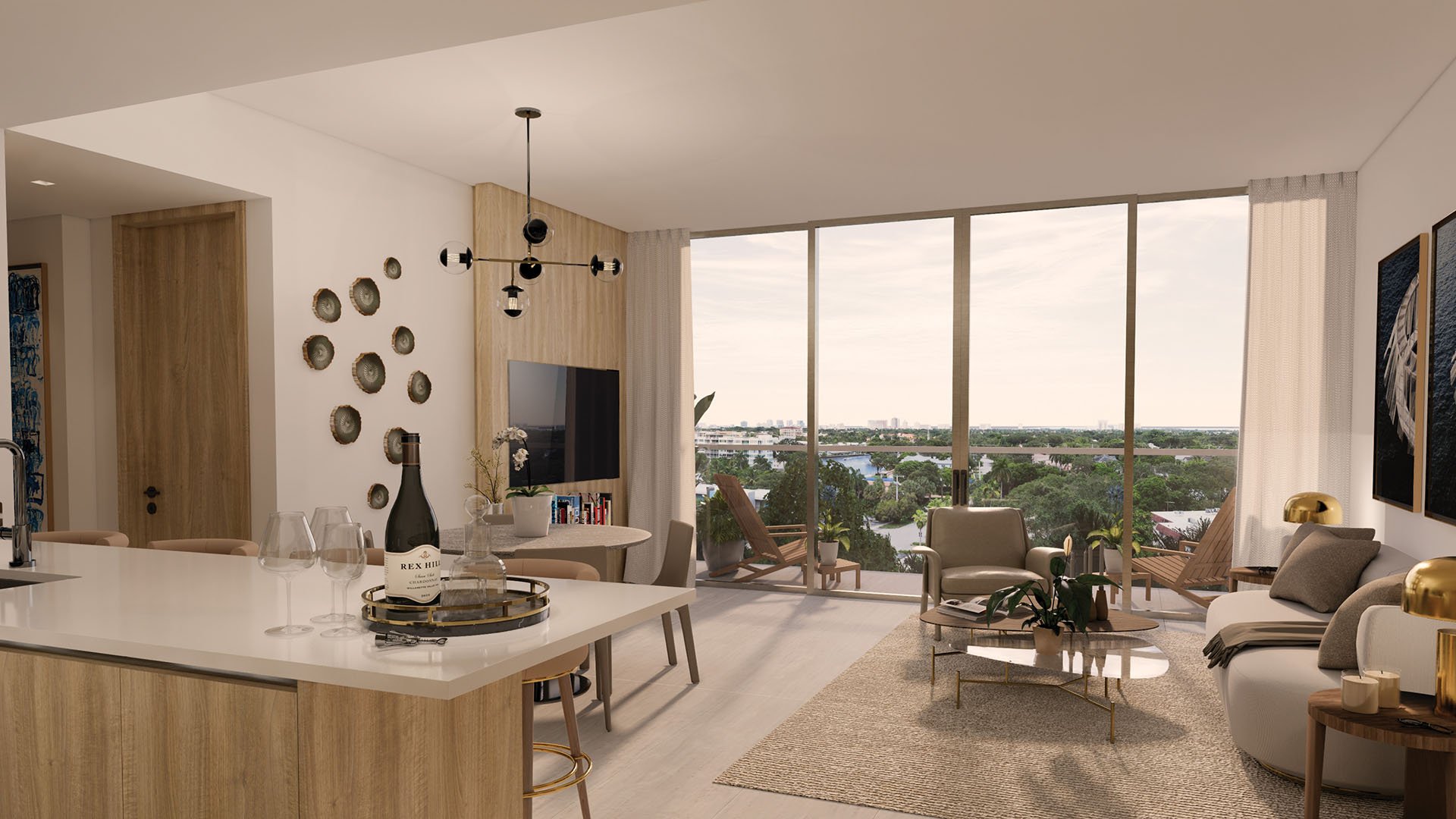
A collection deserves a residence planned as carefully around its vulnerabilities as its visual presence. For seasonal owners in Fort Lauderdale, the decisive question is not simply how beautifully an artwork appears during dinner. It is what happens during the months when nobody is there to adjust a shade, notice a humidity change or question a lighting schedule.
Treat museum-grade lighting as a design brief to verify, not an assurance embedded in a fixture description. Conservation benchmarks offer useful reference points, but they are not automatically residential specifications, local requirements or insurance conditions.
When considering Four Seasons Hotel & Private Residences Fort Lauderdale, bring an artwork inventory to the residence review. Ask a conservator to identify sensitive materials, then have the design team translate those findings into room-by-room controls. No project name should substitute for verification of the individual residence.
Light damage is cumulative. Both illuminance, measured in lux, and exposure time matter. A beautifully dimmed evening setting says little about exposure during an unattended afternoon or from a lighting scene that runs every day.
Approximately 50 lux is a common conservation benchmark for watercolors and similarly light-sensitive paintings, depending on their materials. Oil paintings commonly receive higher illumination, with a recommended conservation ceiling of 150-200 lux. Neither figure is blanket permission: the most vulnerable component of a particular work may warrant a different approach.
Ask the lighting designer and conservator to agree on three deliverables:
Measurements at the artwork surface, rather than general room readings alone.
Separate viewing and unoccupied settings, with documented operating hours.
A display-duration or rotation plan for especially fragile works.
Very fragile materials should not remain permanently displayed. For seasonal owners, the absence calendar offers an opportunity to discuss reduced display exposure rather than leaving every room illuminated as though guests were expected.
Before approving the lighting, have the installed result measured with the actual fixture positions, dimming settings and shading arrangement. Record those settings in the residence’s operating instructions.
Removing ultraviolet radiation does not eliminate the need to control visible light. LEDs are not automatically harmless: spectrum, intensity and exposure duration still matter, and sources that emit UV require effective filtering.
For paintings, the conservation objective is to eliminate UV wherever possible. Where complete blocking is not achievable, one reference ceiling is 75 microwatts per lumen; stricter museum specifications use less than 10 microwatts per lumen. These are distinct reference points, not interchangeable definitions of safety. Have the conservator establish the appropriate objective for the collection.
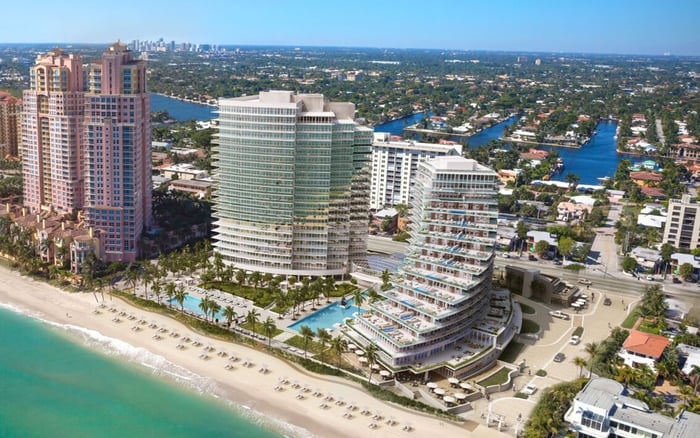
For a residence under consideration at Auberge Beach Residences & Spa Fort Lauderdale, include the proposed art locations in the daylight review. Request product documentation for the proposed glazing or film, then ask how the completed assembly will be checked. Do not infer performance from appearance.
Curtains, blinds and other sunscreens are physical tools for limiting daylight. Verify their settings at different times of day and ask what position they will assume during an absence. Keep the UV-control specification and shade-control schedule as separate entries in the owner’s file.
Environmental stability deserves the same attention as lighting. Humidity changes can cause moisture-sensitive supports and paint layers to expand and contract, creating physical stress.
For paintings, one conservation benchmark is 45-55% relative humidity, with fluctuations no greater than five percentage points over 24 hours. For paper, a different concern is discouraging mould by keeping relative humidity below 65% and avoiding prolonged periods above 75%. Those paper thresholds are not substitutes for a painting-specific target.
Ask the conservator and mechanical team to agree on conditions appropriate to the collection’s materials. Temperature should likewise be collection-specific, rather than selected solely for comfort during occupied weeks.
Monitor display cases as well as rooms. Problematic wall surfaces around paintings can create conditions conducive to condensation. An exterior-wall location therefore deserves individual review and, where appropriate, separation from the surface.
For the seasonal operating plan, request documented settings, monitoring locations and response thresholds. Ask what continues operating during a power interruption, who receives an alert and who can enter the residence. Verify those capabilities directly rather than assuming building services cover collection care.
A compelling art wall is not yet an approved mounting location. At Sixth & Rio Fort Lauderdale, as in any residence being evaluated for a collection, request wall information for the exact proposed installation rather than extrapolating from a floor plan.
Have the installer document the artwork’s weight, frame, hardware and proposed attachment points. Ask the appropriate design or engineering professional to review the wall construction, substrate, any proposed reinforcement and the complete mounting arrangement. Do not treat a generic allowable weight as a Fort Lauderdale rule.
Before drilling or opening a wall, ask management which approvals, drawings and installation procedures apply to the residence. Establish whether concealed services or other restrictions affect the chosen position. These are property-specific verification questions, not assumptions about any named building.
Keep the reviewed mounting plan and installation photographs with the collection inventory. If a work moves to another wall, request a fresh review rather than treating the earlier approval as transferable.
Conservation planning and insurance review are separate exercises. A carefully controlled environment does not establish what a policy covers, and a museum benchmark should not be presented as an insurance condition.
Ask the broker or insurer to confirm in writing how the proposed policy addresses:
The listed works, their locations and the basis for their insured values.
Seasonal absence, including any notification or inspection obligations.
Transit, temporary storage, installation and removal.
Water-related events, storms, environmental damage and applicable exclusions.
Deductibles, limits and documentation needed following a loss.
These are questions for the actual contract, not promises of coverage. Have the insurer clarify any required protective measures before commissioning equipment or assuming that a residence’s services satisfy them.
Create one concise handover file: inventory, condition photographs, lighting schedules, shade settings, climate parameters, reviewed mounting details and insurance confirmations. Name the person responsible for responding to each alert, and establish who is authorized to arrange professional intervention.
Before leaving, walk through the residence in its unoccupied setting. Verify that the collection’s care plan remains active even when its presentation lighting does not. The objective is a home that displays art beautifully while occupied and follows a documented preservation plan while empty.
For a collection-conscious approach to your next Fort Lauderdale residence, explore MILLION.
If branded residences are on your mind — as a home or as an allocation — we would be glad to share what we are seeing, privately.
Begin a quiet conversationBegin with the collection’s materials and sensitivities. Ask a conservator to help translate those needs into lighting, climate and display requirements for the individual residence.
Approximately 50 lux is a common conservation benchmark for watercolors and similarly sensitive paintings. The appropriate level depends on the materials and exposure duration.
Conservation guidance commonly recommends no more than 150–200 lux for oil paintings. A particular work’s vulnerable components may call for a lower level.
Light damage is cumulative, reflecting both illumination and exposure time. Unoccupied lighting settings should therefore address operating hours as well as brightness.
No. Spectrum, intensity and exposure duration still matter, and any source emitting UV calls for effective filtering.
No. Visible light still contributes to cumulative exposure, so daylight control should be planned separately from UV protection.
One conservation benchmark is 45–55% relative humidity, with fluctuations no greater than five percentage points in 24 hours. A conservator should assess its suitability for the collection.
Document the work’s weight and mounting arrangement, then request a review of the actual wall construction and attachment plan. Confirm any property-specific approvals before installation.
No. Ask the broker or insurer to confirm coverage, exclusions, seasonal-absence obligations and required protective measures in the actual policy.
Include the inventory, condition photographs, control settings, mounting documentation and insurance confirmations. Assign response contacts and clarify who can authorize professional intervention.