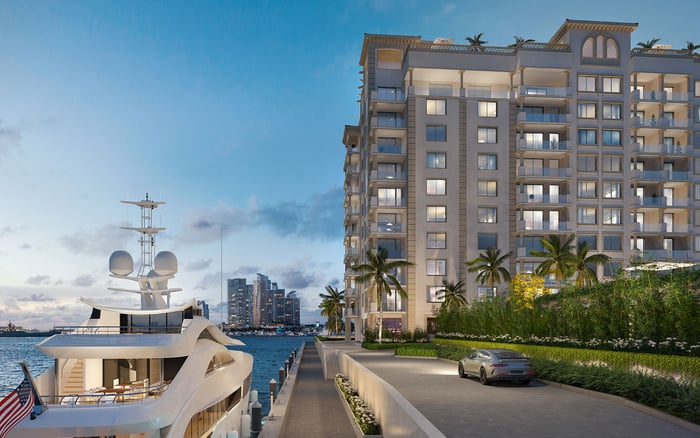
For South Florida buyers, the distinction between preconstruction and a recently delivered residence is a distinction between promised specifications and inspectable systems. Storm resilience, backup power, evacuation planning, and long-absence care deserve separate scrutiny before either choice becomes a confident purchase.
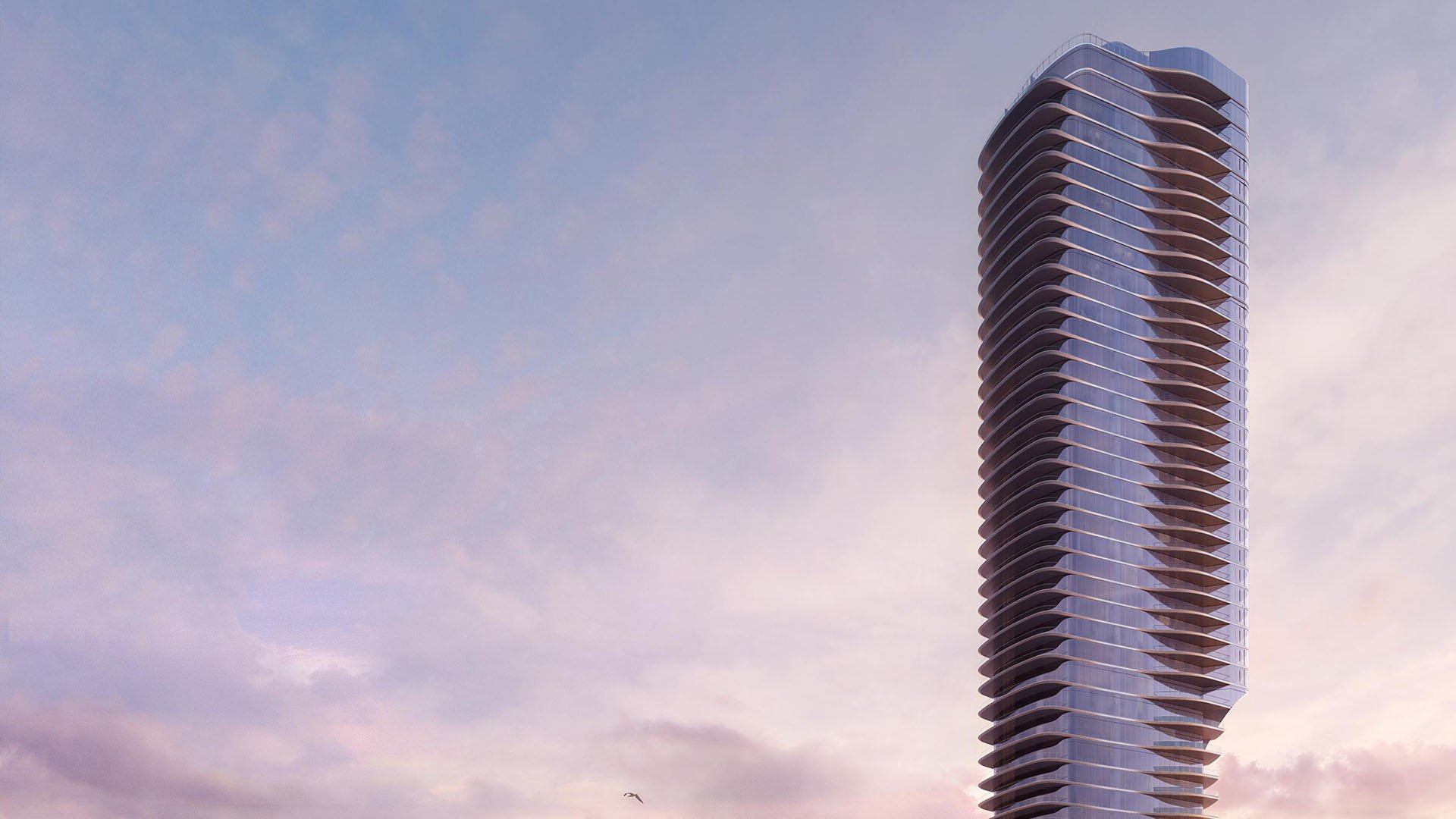
In South Florida, an exceptional residence should support more than an elegant arrival. Buyers should understand what happens when utilities fail, access is restricted, or the owner is overseas. When weighing preconstruction against a recently delivered home, the decisive distinction is not simply age. It is the evidence available before commitment.
Preconstruction offers an opportunity to secure precise specifications and contractual commitments. A completed residence allows buyers to inspect installed systems and review available operating records. Neither automatically establishes storm performance. Completion is not proof of hurricane experience, and a specification is not an installed, tested capability.
The strongest comparison separates four questions: how the building resists wind and water, which services remain operational during an outage, when occupants must leave, and who protects the residence during an absence.
For a preconstruction purchase, seek objective commitments rather than general assurances of hurricane readiness. The diligence package should address opening protection, floodproofing, equipment placement, generator capacity, served electrical loads, pump redundancy, and post-delivery testing. Ask your advisers which commitments can be incorporated into the purchase documents and how substitutions or incomplete testing would be handled.
A buyer considering The Residences at 1428 Brickell can apply this framework without assuming that the project's name establishes any particular emergency capability. The useful question is what the building-specific documents commit to providing.
Separate design intent from verification. Ask who will commission the systems, what documentation will be available at handover, and how deficiencies will be addressed. Treat unresolved specifications as decision variables, not details to settle after closing.
A recently delivered residence changes what buyers can verify. Request final inspection records, commissioning documentation, warranties, maintenance contracts, association budgets, and available records of water intrusion or equipment outages. Verify their availability and completeness rather than presuming either.
In Miami Beach, a buyer evaluating Five Park Miami Beach should distinguish the residence's appeal from the evidence supporting its building systems. This is a diligence approach, not a claim about the property's performance or delivery status.
Ask whether installed equipment matches the documented specifications and whether management can explain storm shutdown and restart procedures. Where practical, have qualified advisers review the systems and records. A new building may offer inspectable infrastructure without yet having a meaningful storm operating history.
Miami-Dade and Broward are High-Velocity Hurricane Zones, with stricter building-code requirements than much of Florida. That designation matters, but buyers should still verify the particular building's design criteria and protection at the residence's openings.
Do not infer identical impact protection on every floor from a general statement about high-rise requirements. Request unit-specific information for glazing, doors, and other openings, together with the applicable specifications and maintenance responsibilities.
An elevated residence may sit above storm surge while the lobby, garage, mechanical equipment, and surrounding access routes remain vulnerable. Evaluate the entire path from street to residence, not just the apartment's elevation. Ask how vulnerable equipment is protected and what happens if ground-level access or building services become unavailable.
For a Surfside search that includes Ocean House Surfside, these questions belong alongside architectural and lifestyle considerations. A waterfront setting calls for address-specific diligence, not an assumption of either safety or vulnerability.
A generator's presence does not answer the practical question: what remains operational? Ask which elevators, pumps, access systems, telecommunications, and residential cooling loads receive backup power. Request fuel-duration assumptions, testing records, and maintenance arrangements where available.
High-rise outages can interrupt elevators, air conditioning, and other services after a storm has passed. Cooling towers may also be shut down for storm safety. Cooling continuity therefore requires a separate answer from structural wind resistance or generator availability.
When reviewing Andare Residences Fort Lauderdale or another Broward option, use a load-by-load inquiry rather than treating emergency power as a yes-or-no amenity. Verify the specific building's commitments or installed capabilities.
Distinguish emergency operation from ordinary residential comfort. Ask management which services can run simultaneously, what limitations apply, and how systems return to normal operation.
A strong wind rating does not override an evacuation order. Nor does a high floor establish that occupants can safely remain when the building's zone is ordered to evacuate.
Miami-Dade can order evacuation of entire zones or portions of zones. Those decisions reflect a storm's track and projected surge, independently of hurricane category. Check the exact address against the county's storm surge planning zones rather than relying on a neighborhood label.
Elsewhere in South Florida, confirm the applicable county information. Evacuation-zone and route maps are general planning references, not substitutes for event-specific orders. Before purchase, establish a departure plan that accounts for household mobility, transport, and an alternative place to stay. Treat evacuation planning as distinct from the building's physical protection.
For an owner away for weeks or months, resilience depends partly on execution. Specify who prepares the unit, checks openings, monitors utilities, inspects for leaks, and conducts post-storm inspections when access is permitted.
Assign responsibility for balcony preparation, with clear arrangements for removing furniture and securing the residence. Confirm whether these tasks fall within association services or require a separate provider. Do not assume a concierge relationship includes storm preparation.
Florida condominium declarations must specify whether the association or owners maintain, repair, and replace hurricane protection. Applicable boards must also adopt building-specific hurricane-protection specifications. Protection can include impact glass, shutters, code-compliant windows and doors, and other qualifying products. Review responsibilities before establishing the absence plan.
Physical resilience and financial exposure require separate reviews. Examine master-policy coverage, windstorm and flood deductibles, exclusions, unresolved claims, and potential owner assessments with appropriate advisers.
Milestone inspections and structural integrity reserve studies are distinct obligations. Qualifying condominium and cooperative buildings with three or more habitable stories generally begin milestone inspections at 30 years, recurring every 10 years. Do not automatically treat a recently delivered building as due for an age-based inspection. Verify applicable requirements and timing individually.
Reserve-study requirements address major components, including structural systems, roofs, waterproofing, electrical systems, windows, and exterior doors. Review applicability alongside budgets and maintenance commitments.
The better choice is the residence whose documented systems, evacuation plan, financial obligations, and absence arrangements fit your ownership pattern. Preconstruction can offer specification clarity; recent delivery can offer inspectable evidence. Neither substitutes for the other.
For a considered approach to your South Florida residence search, explore MILLION.
If branded residences are on your mind — as a home or as an allocation — we would be glad to share what we are seeing, privately.
Begin a quiet conversationNeither purchase category establishes superior resilience by itself. Compare building-specific specifications, installed systems, testing evidence, and management arrangements.
Seek written commitments for opening protection, floodproofing, generator capacity and served loads, pump redundancy, and post-delivery testing. Have advisers review which commitments can be included in purchase documents.
Request final inspections, commissioning documentation, warranties, maintenance contracts, association budgets, and available water-intrusion or equipment-outage records. Completion alone does not establish hurricane performance.
No; the residence may be elevated while the lobby, garage, mechanical equipment, and surrounding access routes remain vulnerable to flooding.
No; verify the specific loads receiving backup power, including whether residential cooling is covered, and ask about fuel duration and testing.
Yes; power outages can interrupt air conditioning, and cooling towers may be shut down for storm safety.
Check the exact address using the county's Storm Surge Planning Zone Finder and follow event-specific orders. Evacuations depend on projected surge and storm track, not hurricane category alone.
A strong wind rating does not override an evacuation order. A high floor is not a substitute for following the applicable order.
The declaration must specify whether the association or unit owners maintain, repair, and replace hurricane protection. Review those responsibilities alongside the building's protection specifications.
No, they are distinct obligations with building-specific applicability. Qualifying buildings generally begin age-based milestone inspections at 30 years and repeat them every 10 years.