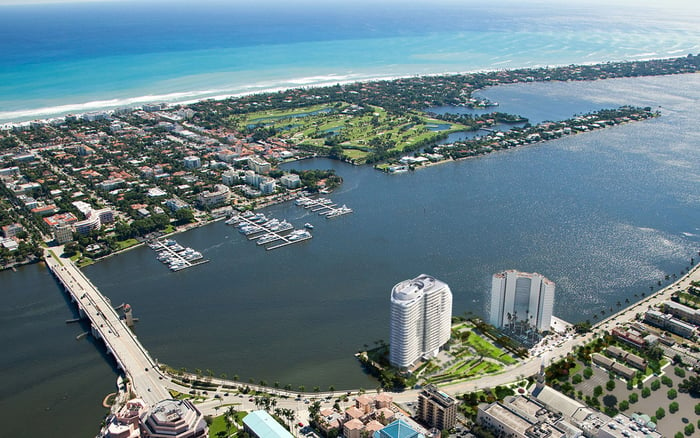
A preclosing guide for married buyers establishing Florida domicile, with practical questions about residence documentation, terrace valuation, bespoke improvements, and contractual appraisal-gap protection.

For a married couple making South Florida their permanent home, the final stretch before closing involves more than selecting finishes and arranging a move. Three questions require distinct answers: which documents support the intended domicile, what evidence supports the residence’s appraised value, and what the purchase agreement requires if that value falls short.
A terrace may be central to daily life. Bespoke interiors may make a residence feel irreplaceable. Neither preference establishes the value an appraisal will support. Likewise, a satisfactory lender valuation does not necessarily give buyers contractual protection against paying above appraised value.
The most useful preclosing conversation separates personal priorities from valuation evidence and legal obligations. Each belongs in the decision; none should substitute for another.
Florida’s permanent-residence factors for homestead eligibility include a Declaration of Domicile, voter registration, driver licenses, employment location, and dependent children’s school registration. Federal tax-return addresses, bank-account addresses, and utility-payment records can also help document permanent residence. No single factor is conclusive.
A sworn Declaration of Domicile can demonstrate the intention to maintain Florida as a permanent home. It is not a stand-alone guarantee of homestead eligibility or a substitute for discussing the couple’s broader circumstances with Florida counsel or a qualified tax adviser.
Ask how each spouse’s declarations and address records support the claimed domicile. Coordinating updates is a practical recommendation, not a statutory requirement that both spouses complete every change on the same day. When records point to different states, ask counsel which explanations and supporting documents are appropriate.
For a couple considering The Residences at 1428 Brickell, the question is not simply whether the home suits their lifestyle. It is how their actual living arrangements and records will support the permanent residence they intend to establish.
Before debating the result, ask the lender and appraiser to clarify the assignment’s intended use and effective date. Which valuation approaches will be used? Which comparable transactions are relevant? How will unusual sale conditions or a limited pool of comparable luxury residences be addressed?
Request an explanation of material differences between the subject residence and the selected comparables. The goal is to understand the reasoning, not to prescribe a favorable conclusion. Ask which property information can be submitted and how to raise any factual errors.
Keep county assessment figures separate from the purchase appraisal. Palm Beach County uses computer-assisted mass appraisal for residential assessments, incorporating construction costs, depreciation, local market conditions, market-derived land rates, site size, and improvements. That process is distinct from a lender’s individualized purchase appraisal.
When considering Alba West Palm Beach, a buyer should not treat a county assessment as an answer to the lender’s valuation question. Ask which valuation is being discussed and what purpose it serves.
Outdoor space warrants its own preclosing questions. Is the terrace permitted, covered, enclosed, or air-conditioned? How is its area reported, and is it clearly distinguished from interior space? Which plans or other records establish its configuration?
Next, ask what comparable-sale evidence supports its contributory value. Do the selected sales offer a meaningful comparison, and how are material differences handled? These questions are more useful than assuming a fixed percentage premium or valuing terrace area at the same rate as interior area.
For buyers evaluating The Perigon Miami Beach, the discussion should remain specific to the residence under consideration. A project name does not establish a particular terrace’s appraised contribution.
Separate personal value from valuation evidence. The couple may reasonably decide that outdoor living warrants a higher purchase price for them. That choice should be deliberate, with its cash implications understood rather than assumed to be absorbed by the appraisal.
Custom work deserves a disciplined documentation file. Ask for permits, invoices, plans, warranties, and completion records. Then distinguish the documents that describe the work performed from the evidence that supports its market contribution. Construction expenditure and market-supported value are different questions.
An invoice can document expenditure without establishing an equivalent increase in appraised value. The preclosing inquiry is whether comparable transactions support the contribution attributed to those improvements. Ask how the valuation addresses features for which direct comparisons are scarce.
A couple considering Alina Residences Boca Raton should apply the same distinction to any residence-specific bespoke work presented for valuation. Confirm what is documented and what still requires explanation.
Before relying on promised completion, ask which records will be available by the appraisal and closing dates. Counsel, the lender, and the appraiser should each address the implications within their respective roles.
Begin with the executed contract. Does it contain express appraisal protection, and what amount triggers the relevant rights? Addendum F Appraisal Contingency can provide an express appraisal contingency, with a negotiable deadline for obtaining the appraisal. A valuation below the specified amount can give the buyer a cancellation option, subject to the addendum’s requirements.
A lender-satisfactory valuation and an appraisal-to-purchase-price contingency offer different protections. Financing language may require an appraisal or alternative valuation satisfactory to the lender and sufficient for financing and closing. Do not assume that this language alone preserves a right to cancel whenever appraised value falls below the purchase price.
If the couple agrees to cover a gap, ask counsel to define the additional cash commitment precisely. What threshold triggers action? Which documents and notices are required? What cancellation and deposit rights remain if the shortfall exceeds the agreed commitment?
Waiving appraisal protection can leave buyers obligated to proceed at the contract price despite a lower valuation, potentially requiring additional cash or exposing the deposit to risk. A low appraisal does not automatically create a cancellation right.
Ask whether a reconsideration of value affects contractual deadlines; do not assume it pauses them. Establish what happens if the appraisal arrives late, who delivers any required notice, and which documents must accompany it.
Before closing, both spouses should understand the domicile documentation plan, the valuation evidence, and the maximum cash commitment contemplated by their agreement. Confirm residence and homestead questions with Florida counsel or a qualified tax adviser; address valuation and contract remedies separately with the appraiser, lender, and real-estate attorney.
For a considered approach to your South Florida residence search, explore MILLION.
If branded residences are on your mind — as a home or as an allocation — we would be glad to share what we are seeing, privately.
Begin a quiet conversationNo single permanent-residence factor is conclusive. A Declaration of Domicile is one piece of evidence considered alongside other relevant records and circumstances.
Coordinated updates are a practical recommendation, not a statutory same-day requirement. Ask counsel how each spouse’s records support the claimed domicile.
Relevant indicators include voter registration, driver licenses, employment location, and dependent children’s school registration. Tax-return addresses, bank-account addresses, and utility-payment records can also help.
No. Palm Beach County uses computer-assisted mass appraisal for residential assessments, which is distinct from a lender’s individualized purchase appraisal.
Ask about its intended use, effective date, valuation approaches, and comparable sales. Also ask how unusual sale conditions and scarce luxury comparables will be addressed.
Do not assume equivalent value or a fixed premium. Ask how the area is reported and what comparable-sale evidence supports its contributory value.
Invoices can document expenditure without establishing an equivalent market contribution. Ask for supporting records and comparable-sale evidence.
It can provide express appraisal protection with a negotiable appraisal deadline. An appraisal below the specified amount can permit cancellation, subject to the addendum’s requirements.
No. The executed contract, applicable contingency, and deadlines determine the available remedy.
Ask counsel to define the cash commitment, triggering threshold, required notice, and supporting documentation. Confirm which cancellation and deposit rights remain.