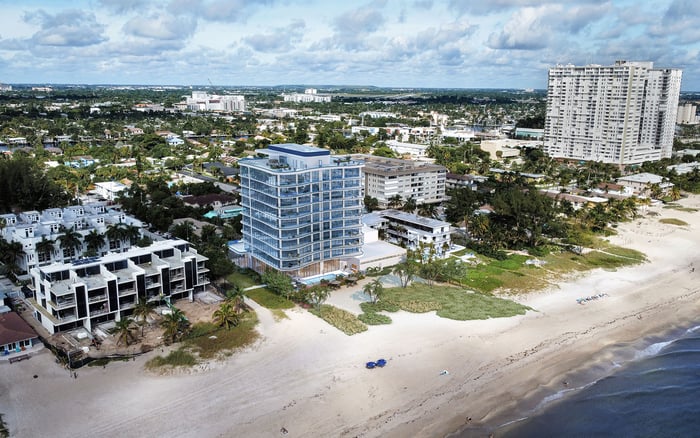
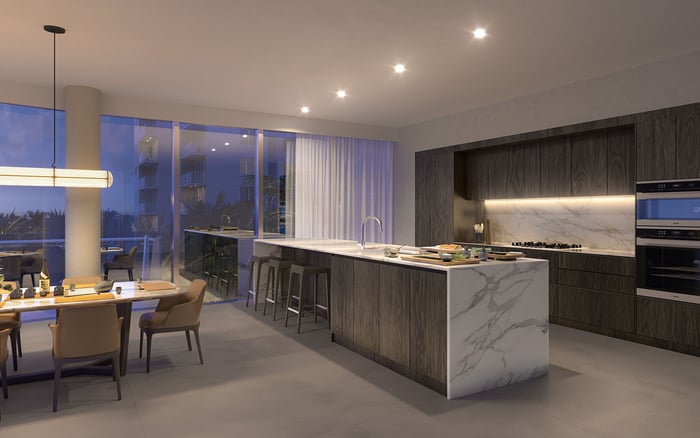
A Manhattan-Pompano Beach lifestyle calls for more than a second address. For collectors, the essential due diligence connects conditioned storage, verified backup power, transit protection, flood insurance, and an up-to-date collection schedule.

A two-city life between Manhattan and Pompano Beach promises a change of setting without surrendering the pleasures of home. For an owner with fine art and wine, continuity depends on more than interiors. The collection needs its own operating plan: where each piece resides, how its environment is maintained, who can respond during an absence, and which insurance terms apply when it moves.
Treat the residences, transport arrangements, and professional storage as one coordinated system. Start with a location-based inventory, current valuations, and a written response plan. The objective is not to make both homes identical, but to make every handoff deliberate-particularly when the owner is in New York and the collection is in Florida.
In Broward, a residential shortlist should weigh building operations alongside architecture and service. A buyer considering Armani Casa Residences Pompano Beach can apply the same collector-focused checklist used elsewhere: permitted equipment, storage arrangements, emergency access, and the precise scope of backup power. These are matters to verify, not features to assume from a residential brand.
Condominium due diligence should include the association’s current budget, insurance expense, and hurricane or flood deductibles. Ask the broker to explain how the association’s coverage relates to the owner’s unit policy and collection protection. A building’s insurance arrangements do not establish that a privately owned painting or wine collection is insured.
For the Pompano Beach residence, specialized security systems, high-value artwork and antiques, and building-related exposures all belong in the insurance review. Two addresses may require different arrangements even when the collection remains under one owner.
“Conditioned” is a starting description, not a complete specification. Before placing art or wine in a residence or professional facility, request written temperature and humidity parameters, monitoring arrangements, response procedures, and details of the systems intended to maintain conditions during an outage. Have the relevant collection specialist assess whether those arrangements suit the objects or bottles involved.
For a residence under consideration at Ocean 580 Pompano Beach, distinguish an in-unit installation from a building storage area and an independent storage facility. Each requires its own operational and insurance review. A storage designation alone does not establish collection-grade environmental control.
Ask who receives an alert, who can enter the space, and what happens if equipment cannot be restored promptly. No universal temperature or humidity target should replace collection-specific advice. The question is whether the proposed environment and response plan are appropriate, documented, and acceptable to the insurer.
A generator description does not establish that individual-unit wine refrigeration or climate control will remain powered. Life-safety backup and collection protection serve different functions. Obtain written confirmation of which equipment is connected to emergency power before relying on it for a collection.
The same question belongs in a purchase review at The Ritz-Carlton Residences® Pompano Beach: does the documented backup arrangement serve the intended collection equipment, or only other building functions? Ask about the operating plan and its limits; the presence of a generator is not a guarantee.
Where an owner controls a generator, arrange contracted servicing and transfer-switch testing before storm season. A wine outage plan should provide either a verified generator circuit for temperature-control equipment or a relocation strategy. If relocation is the fallback, decide the destination, responsible person, and transport arrangements in advance.
Standard homeowners and renters policies generally exclude flood damage. Separate flood insurance deserves consideration in Pompano Beach even outside designated high-risk flood zones. Coverage commonly carries a 30-day waiting period, so make the decision before an approaching storm forces the issue.
Building and contents flood protection are distinct. Renters should consider contents flood insurance, while owners should ask their broker to explain how building, personal-property, and collection policies interact. Specialist collectibles coverage may also restrict particular hazards by location, including water damage in flood-prone areas or basement and first-floor storage.
Elevation is part of physical preparation: raise valuables, furniture, electrical appliances, and equipment where appropriate. Before a hurricane, move art off ground floors and away from exterior walls and windows. These measures reduce exposure; they do not replace an assessment of the residence or policy-specific confirmation of coverage.
Specialist high-value insurance can provide customized protection for fine art and wine beyond ordinary household contents. Agreed-value coverage is available for fine art and collections, but its terms require careful review. Ask how values are established, when updates are needed, and which locations and movements are included.
Maintain current appraisals, purchase records, photographs, provenance, and condition or conservation records. Keep the insurance schedule aligned with acquisitions, disposals, and changes in location. A practical collection file should allow the broker to identify each item and the basis for its valuation without reconstructing its history after a loss.
For wine, review breakage, theft, temperature excursions, spoilage from equipment or electrical failure, transit, off-premises storage, and the valuation basis. Treat each as a coverage question, not an automatic benefit. Ask specifically about exclusions, conditions, limits, and deductibles that could affect the response to a claim.
Plan seasonal transfers and emergency moves separately. A scheduled journey between Manhattan and Florida allows time for packing and documentation; a storm response requires an agreed destination and a responsible local contact already in place. Establish where art, wine, and vehicles would move, and confirm whether their insurance follows them.
For someone evaluating Waldorf Astoria Residences Pompano Beach, this operational plan deserves attention alongside the residential experience. Confirm access procedures and any handling restrictions directly rather than assuming collection logistics are included.
Before using professional storage, obtain confirmation of temporary off-premises and transit coverage. Record the collection’s condition before a move and update its location afterward. An effortless two-city life rests on decisions made while there is still time to compare options, clarify responsibilities, and resolve insurance questions.
Explore your next South Florida residence with MILLION.
If branded residences are on your mind — as a home or as an allocation — we would be glad to share what we are seeing, privately.
Begin a quiet conversationStandard homeowners and renters policies generally exclude flood damage. Consider separate flood insurance and ask your broker how it interacts with collection coverage.
Flood insurance commonly has a 30-day waiting period. Arrange it in advance rather than waiting for an approaching storm.
Yes, renters should consider contents flood insurance. Building protection and coverage for personal contents are distinct.
No. Backup power may serve life-safety systems without supporting individual-unit refrigeration or climate control, so confirm the connected equipment in writing.
Request written environmental specifications, monitoring procedures, outage arrangements, and emergency response responsibilities. Have a collection specialist assess whether those arrangements suit your art or wine.
Keep current appraisals, purchase records, photographs, provenance, and condition or conservation records. Update the schedule as ownership, location, or valuations change.
Ask about breakage, theft, temperature excursions, spoilage from equipment or electrical failure, transit, off-premises storage, and valuation. Coverage depends on the policy’s terms, limits, and exclusions.
Agreed-value coverage is available through specialist high-value insurance offerings. Ask your broker how values are established and what conditions apply.
Do not assume it will. Confirm temporary off-premises storage and transit protection before moving the collection.
Review the association’s current budget, insurance expense, and hurricane or flood deductibles. Separately verify backup-power arrangements and how association coverage relates to your own policies.