A buyer-focused editorial on how three South Florida luxury residential archetypes frame the next generation of mobility: legal parking rights, EV charging governance, valet standards, arrival security, and private-driver choreography.
In South Florida’s highest tier of residential design, parking is no longer a back-of-house afterthought. It has become a measure of legal precision, electrical foresight, privacy, and service culture. The old shorthand of “two spaces per residence” no longer captures what sophisticated buyers need: protected rights, predictable access, scalable EV charging, and a calm arrival sequence for family, guests, chauffeurs, valets, and ride-share vehicles.
That is why Ponce Park Coral Gables, The Ritz-Carlton Residences® Palm Beach Gardens, and Alma Bay Harbor Islands are useful lenses for today’s buyer. They are not interchangeable technical case studies. Rather, they illustrate three distinct ways luxury mobility is being framed across South Florida: the urban-infill approach, the resort-marina service model, and the boutique island condominium.
For the buyer, the central question is not simply where the car goes. It is who controls the space, who pays for the infrastructure, how arrivals are sequenced, and whether the building can adapt as household mobility changes.
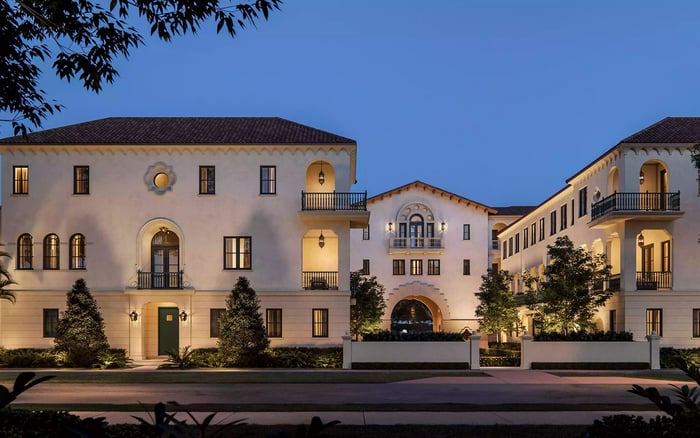
Ponce Park Coral Gables is best understood through the urban-infill condition. In a walkable, denser Coral Gables setting, surface parking is not the luxury answer. The more important issue is how a building integrates stall allocation, garage circulation, EV readiness, and controlled arrivals into a coherent ownership structure.
This is where legal due diligence becomes essential. Buyers should understand whether spaces are deeded, assigned, treated as limited common elements, or governed by another condominium-document structure. Those distinctions can affect resale value, financing conversations, transferability, guest use, and an owner’s ability to install or access future charging equipment.
In a Coral Gables context, the garage is also part of the urban experience. A successful arrival does not announce itself with congestion. It absorbs the private car, coordinates the driver, and maintains the civic elegance expected in a neighborhood where architecture and streetscape matter. For new-construction buyers, the best parking conversation starts before contract signing, not after move-in.
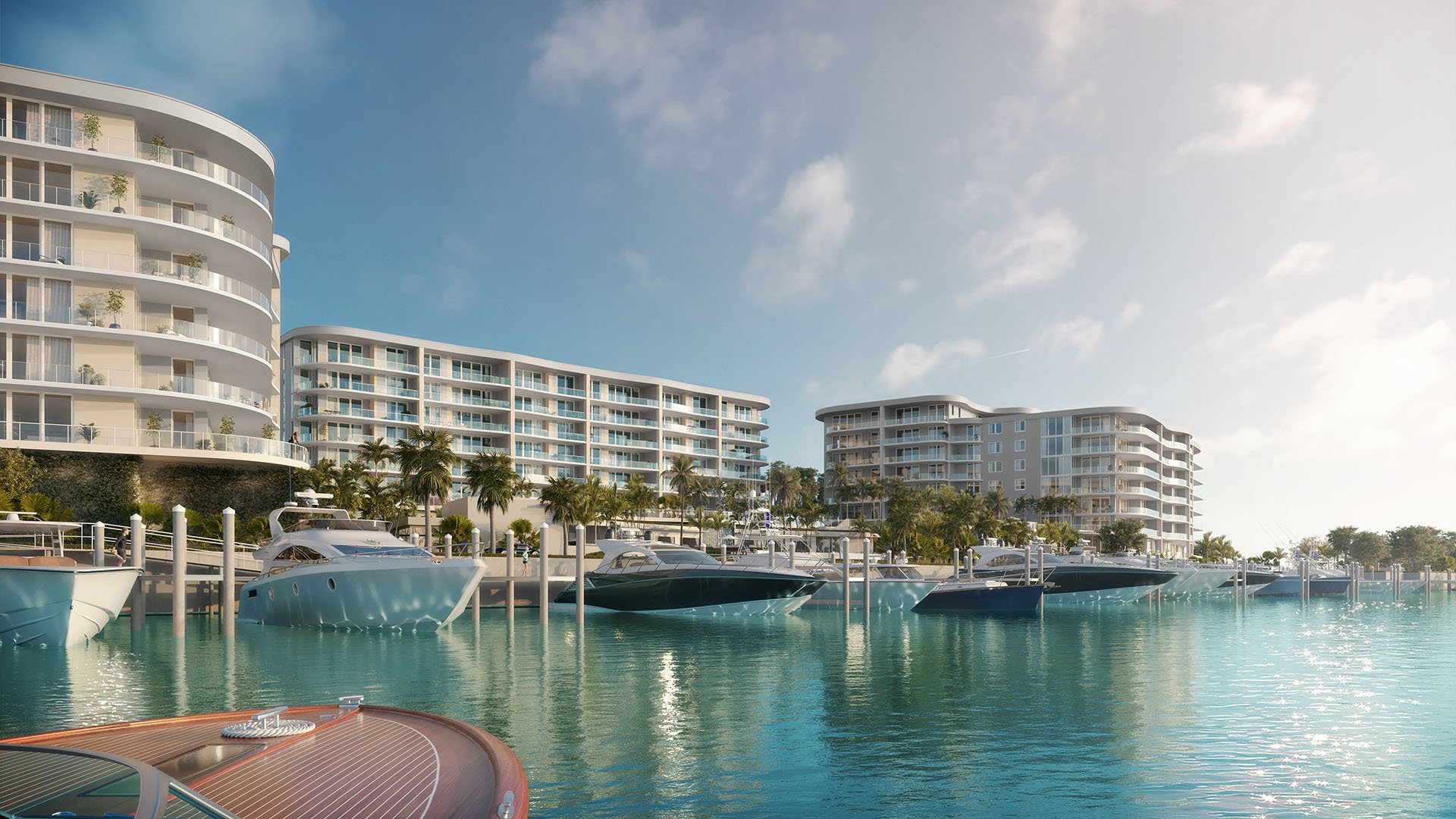
The Ritz-Carlton Residences® Palm Beach Gardens represents a different mobility archetype: the resort-marina residence. Here, parking and private-driver logistics are inseparable from hospitality. Waterfront and marina-oriented living brings layered arrival patterns. Residents may arrive by car, guests may be met by staff, drivers may need temporary staging, and service teams must protect the sense of calm that defines a branded residential experience.
The branded-residence standard raises the bar because the garage is not merely storage. It is part of the service sequence. Valet-style coordination, managed arrival experiences, guest circulation, and clear separation between resident-only areas and public-facing zones become part of the value proposition.
For buyers, this means reviewing more than the number of parking spaces. The better questions concern operating rules. How are valets governed? Where do private drivers wait? How are guests directed? What happens during high-traffic moments? Is ride-share routing separated from resident entry? In a luxury residence, these details determine whether daily life feels effortless or improvised.
Alma Bay Harbor Islands brings the conversation into a smaller-scale island setting, where controlled access and privacy carry exceptional importance. In a Bay Harbor environment, arrival design has to be discreet, efficient, and proportionate. A boutique condominium may not have the scale advantages of a larger branded development, so technology and governance become central to the mobility plan.
That makes EV charging especially important. Buyers should look beyond whether chargers exist and ask how the system works. Is there adequate building electrical capacity? How is usage billed? Can the system expand as more owners shift to electric vehicles? Would future retrofits require association approvals or special assessments? Are chargers resident-specific, shared, or governed by building policy?
Digitally managed access can be valuable in a boutique-island setting, but only if it is paired with clear rules. The ideal experience is invisible: residents arrive without friction, guests are identified without delay, and private drivers do not compromise the building’s sense of sanctuary.
A luxury buyer should treat parking as a four-part diligence exercise. First, review rights. The declaration, purchase documents, and condominium materials should clarify whether parking is owned, assigned, or otherwise controlled. Second, review power. EV readiness depends on electrical capacity, billing infrastructure, future expansion, and who pays for upgrades.
Third, review operations. Valet rules, guest waiting areas, porte-cochère use, ride-share routing, service access, and driver staging should be legible. Fourth, review privacy. The best buildings separate resident circulation from guest and service flows without making the experience feel rigid.
Investment value is increasingly tied to these issues. A residence with ambiguous parking rights, limited EV planning, or chaotic arrival choreography may feel less competitive as buyer expectations rise. Conversely, a building that combines legal clarity with service discipline and technical adaptability can age more gracefully.
Ponce Park Coral Gables underscores ownership clarity in an urban-infill setting. The Ritz-Carlton Residences® Palm Beach Gardens shows how hospitality standards can shape residential arrival and driver coordination. Alma Bay Harbor Islands highlights how a boutique island building can use technology and access control to preserve privacy while addressing EV demand.
Together, they point to a broader shift in South Florida luxury real estate. The garage is becoming a mobility system. The porte-cochère is becoming a hospitality threshold. EV infrastructure is becoming a governance issue. Parking rights are becoming a legal asset that deserves the same scrutiny as terrace depth, view corridor, or amenity programming.
For buyers, the most elegant solution is rarely the one with the loudest promise. It is the one where the documents, building systems, and daily operations all tell the same story.
Why are parking rights so important in luxury condominiums? Parking rights can affect resale, transferability, daily use, and future EV access, so buyers should confirm exactly how spaces are governed.
Is a deeded parking space better than an assigned space? It can be, but the answer depends on the condominium documents and how rights transfer, so legal review is essential.
What should EV buyers ask before purchasing? They should ask about electrical capacity, billing, charger governance, expansion plans, and who pays for future upgrades.
Does having chargers mean a building is EV-ready? Not necessarily. True EV readiness also depends on infrastructure capacity, policies, metering, and long-term scalability.
Why do private-driver logistics matter? A poorly planned arrival can create congestion, privacy issues, and service friction, even in an otherwise refined building.
What makes the marina model different? A marina-oriented residence can involve more complex guest, valet, owner, and service movements, which require careful choreography.
How does a boutique building solve mobility challenges? Boutique projects often rely on precise access control, clear policies, and technology-forward systems rather than scale.
Should buyers review valet rules before closing? Yes. Valet policies can shape daily convenience, guest access, liability expectations, and private-driver routines.
Can future EV retrofits create assessments? They can if the building needs new infrastructure or capacity upgrades, so association budgets and engineering documents matter.
What is the best first step for due diligence? Review the declaration, parking exhibits, EV policies, garage plans, budgets, and operating rules with qualified advisors.
To compare the best-fit options with clarity, connect with MILLION.
If branded residences are on your mind — as a home or as an allocation — we would be glad to share what we are seeing, privately.
Begin a quiet conversation