Pompano Beach and Hallandale Beach offer distinct coastal value narratives for branded condo buyers, with Pompano leaning into visible design momentum and Hallandale favoring privacy, resort rhythm, and a quieter ownership proposition.
Pompano Beach and Hallandale Beach sit within the same broader Broward luxury corridor, yet they speak to different instincts in the branded condominium buyer. One reads as a market being reintroduced to a broader design audience. The other feels more discreet, calibrated for buyers who value privacy, controlled arrivals, and a resort sensibility that does not depend on constant visibility.
That distinction matters. In South Florida, branded residences are no longer judged by nameplate alone. Sophisticated buyers are studying how the brand performs in daily life: the tone of service, the privacy of the arrival, the quality of shared spaces, the restraint of the architecture, and the feeling of returning home after a flight, dinner, beach walk, or family weekend.
For buyers priced out of, or simply fatigued by, the most publicized coastal enclaves, both Pompano Beach and Hallandale Beach can read as value stories. Not value in the bargain sense, but value as a relationship between brand, waterfront lifestyle, future neighborhood perception, and the opportunity to buy into a coastal address before the narrative feels fully mature.
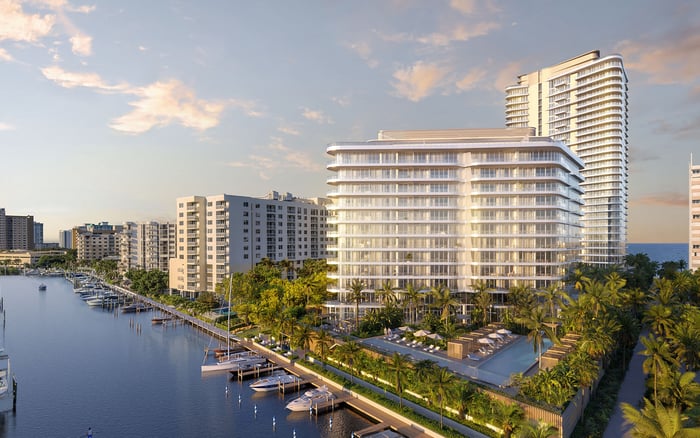
Pompano Beach is increasingly legible to buyers who want a branded condominium with a strong coastal identity and a different rhythm from Miami Beach, Sunny Isles, or Fort Lauderdale. The appeal is not merely that it is on the water. It is that the city gives developers room to frame a new residential conversation around architecture, hospitality, and a more relaxed beachfront cadence.
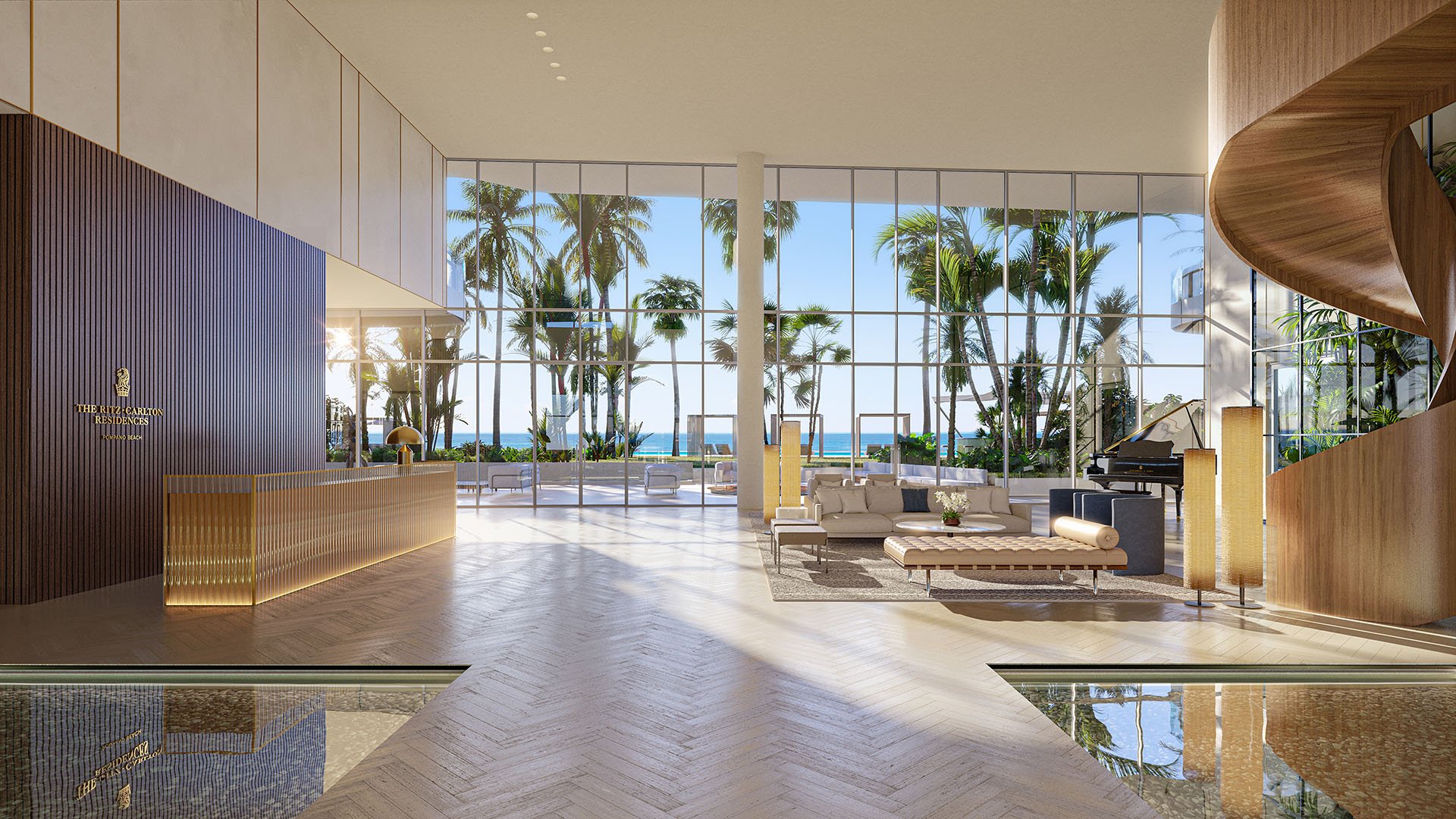
For a buyer drawn to established service language, The Ritz-Carlton Residences® Pompano Beach offers the kind of brand recognition that can simplify decision-making. The point is not only familiarity. It is the confidence many buyers associate with a hospitality standard translated into a private residential setting.
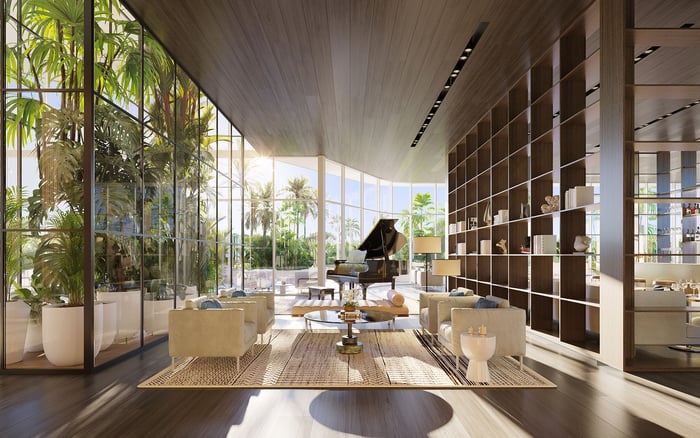
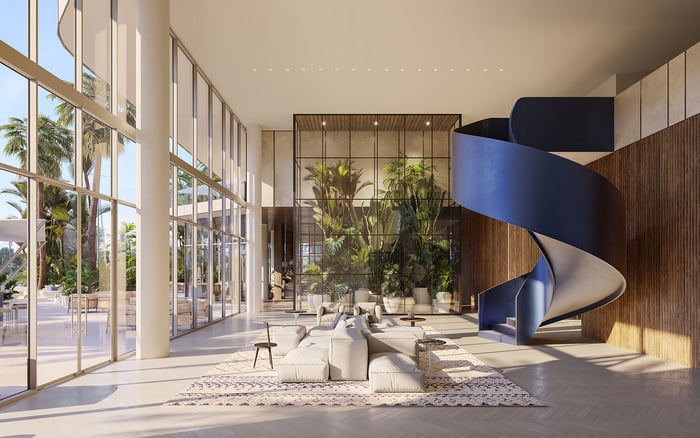
Pompano also appeals to buyers who want design identity to be visible. Armani Casa Residences Pompano Beach speaks to the purchaser who views a residence as part of a broader aesthetic life, where interiors, proportions, and brand tone are central to the ownership thesis. In that sense, Armani Casa Residences Pompano Beach is not just a project name; it is a signal about the buyer’s relationship to design.
Then there is the hospitality-forward buyer: the one who wants the energy of a coastal stay woven into the permanence of ownership. W Pompano Beach Hotel & Residences belongs in that conversation for purchasers who prefer a more social, lifestyle-driven interpretation of the branded residence. W Pompano Beach Hotel & Residences suggests a different mood from quieter private-club environments, and that difference may be precisely the point.
For Pompano Beach, the buyer question is direct: do you want to participate in a market whose luxury identity is still being sharpened? If yes, the reward is not only the residence itself, but the possibility of owning into a place as its branded vocabulary becomes more widely understood.
Hallandale Beach tells a quieter story. It is not trying to feel like a reinvention in the same way. Its advantage lies in its ability to sit near major South Florida luxury patterns while maintaining a more contained atmosphere. For buyers who want access without the constant theater of a more saturated address, Hallandale can feel measured and strategic.
The strongest Hallandale pitch is often about composition. A buyer may be weighing private-club energy, wellness-minded services, hotel-caliber service, or a lock-and-leave South Florida base. The city can support that kind of thinking without requiring every purchase to become a public statement.
That is why Shell Bay by Auberge Hallandale is so relevant to the conversation. Shell Bay by Auberge Hallandale speaks to a buyer who wants the vocabulary of resort living layered into the residential decision, rather than added later as an amenity checklist. It is less about conspicuous scale and more about the totality of how a property feels, functions, and receives its residents.
The Hallandale buyer is typically not asking for the loudest address. The more precise question is whether the ownership experience can feel private, composed, and service-rich while still remaining connected to South Florida’s larger luxury geography.
In the branded condominium market, value is frequently misunderstood. A lower entry point can be useful, but it is not enough. True value is the alignment of brand, location, architecture, service, building culture, and eventual resale logic. A residence can be less expensive than a comparable coastal product and still be a poor value if the buyer does not believe in the building’s long-term identity.
Pompano Beach may offer value through momentum. Buyers who favor that thesis are often comfortable with a market that is still being defined at the highest end. They may be more design-forward, more open to future neighborhood evolution, and more willing to accept a less historically dominant luxury address in exchange for a compelling branded product.
Hallandale may offer value through discretion. Buyers who favor that thesis are often less interested in being early to a visible transformation and more interested in privacy, controlled lifestyle, and a coastal base that feels quietly capable. They may prioritize how the property works for family, guests, seasonal use, or extended stays.
Neither approach is inherently superior. The better choice depends on how the buyer will actually live.
Begin with use case. A primary residence demands a different kind of confidence than a seasonal retreat. A family base has different requirements from a couple’s coastal pied-à-terre. A buyer who entertains frequently may read hospitality energy as an asset, while another may see that same energy as too public.
Next, compare service culture. Branded residences should not be evaluated only by the logo over the door. Buyers should ask whether the daily experience will feel gracious, intuitive, and consistent. The most elegant brand execution is usually quiet. It removes friction without turning the building into a stage.
Then study the surrounding lifestyle. Pompano Beach may suit the buyer who wants to feel part of an emerging coastal design narrative. Hallandale may suit the buyer who wants a more reserved setting with resort logic and fewer demands for attention. Both can be intelligent. The mistake is assuming they are interchangeable simply because both are coastal and both sit within Broward.
Finally, consider exit discipline. Branded residences perform best when future buyers can understand the story quickly. A clear brand, a coherent building culture, and a location with an improving or durable luxury identity are all part of that equation. The purchase should make sense not only on the day of contract, but years later when another buyer asks why this building and why this location.
Is Pompano Beach a better branded condo value than Hallandale Beach? It depends on the buyer’s priorities. Pompano Beach may appeal more to buyers seeking visible design momentum, while Hallandale may favor those seeking privacy and resort-style restraint.
Is Hallandale Beach only for buyers who want a quieter lifestyle? Not necessarily. Hallandale can work for buyers who want a composed coastal base while staying connected to the broader South Florida luxury corridor.
Why are branded residences important in these markets? A strong brand can clarify service expectations, design tone, and resale narrative. The best examples feel consistent in daily life, not merely recognizable in marketing.
Should buyers choose the strongest brand name first? Brand matters, but it should not be the only criterion. Architecture, privacy, residence layout, building culture, and personal use case should carry equal weight.
Who is the ideal Pompano Beach buyer? The ideal buyer is often design-aware and comfortable with a luxury market whose identity is still gaining definition. That buyer may value timing as much as tradition.
Who is the ideal Hallandale Beach buyer? The ideal Hallandale buyer often wants discretion, access, and a resort-minded ownership experience. The decision is usually more about lifestyle composition than visibility.
Are these markets substitutes for Miami Beach or Sunny Isles? They can be alternatives, but they are not direct copies. Buyers should evaluate them on their own lifestyle rhythm, not as diluted versions of another address.
What should second-home buyers focus on first? Second-home buyers should focus on ease of arrival, service consistency, security, and how the property feels when used intermittently. Lock-and-leave confidence is essential.
Can branded condos hold long-term appeal in emerging luxury areas? They can, especially when the brand, design, and location narrative remain coherent over time. The strongest buildings give future buyers a clear reason to choose them.
What is the best way to shortlist comparable options for touring? Start with location fit, delivery status, and daily lifestyle priorities, then compare stacks and elevations to validate views and privacy.
When you're ready to tour or underwrite the options, connect with MILLION.
If branded residences are on your mind — as a home or as an allocation — we would be glad to share what we are seeing, privately.
Begin a quiet conversation