A gala-ready South Florida residence is not simply an elegant setting. It is an operational environment in which closing dates, guest processing, vehicle flow, service access, lighting, and common-area rules should be tested well before the first invitation is issued.
For buyers who expect a South Florida residence to accommodate formal dinners, patron gatherings, or pre-gala cocktails, the entertaining calendar belongs in the acquisition brief. Current event schedules should be reviewed alongside the anticipated closing date, improvement program, furnishing timeline, and required approvals.
This planning matters because gala dates can affect guest availability, vendor demand, and the time available to prepare a residence. Recurring seasonal patterns may help frame the discussion, but buyers should verify current calendars rather than rely on prior years when choosing a date for a move-in celebration, donor dinner, or residence launch.
The best gala-season purchase is planned as an operating environment, not merely a beautiful address.
A buyer should work backward from the first intended gathering and allow time for construction, landscape work, furnishing, deliveries, approvals, lighting checks, and operational rehearsals. A closing that leaves little preparation time may create avoidable pressure, particularly when improvements or association permissions are required.
In Palm Beach and West Palm Beach, a buyer comparing Palm Beach Residences with The Ritz-Carlton Residences® West Palm Beach should treat each property as a distinct operational proposition. Before contracting, request the current rules governing private functions, guest arrivals, vendors, deliveries, parking, and the use of shared areas.
The same discipline applies farther south. In Miami Beach, Shore Club Private Collections Miami Beach can be evaluated through the lens of residential operations, while The Residences at 1428 Brickell warrants a corresponding review in Brickell. Inclusion here is not evidence of any particular event policy; current governing documents and authorized building representatives should provide property-specific answers.
Guest registration is less about a fashionable interface than disciplined handoffs. During due diligence, ask how a proposed guest list would pass from the host to residence staff, the gatehouse, lobby, valet team, and private household personnel. Confirm what information may be collected, when the list must be submitted, how updates are handled, and who can authorize an exception.
A condominium buyer should test this scenario against lobby capacity and common-area rules. Consider whether several vehicles could arrive without obstructing resident circulation, where guests would wait if access confirmation took time, and whether the route from drop-off to elevator is clear. Also examine what would happen if residents, deliveries, and event guests arrived at the same time.
For an estate, the questions shift to gates, arrival courts, porte-cochères, and transitions into interior and garden spaces. A written guest-management plan may be appropriate, but local event, security, insurance, legal, and municipal professionals should review its design and execution. Registration systems, staffing levels, VIP handling, and identity-verification practices cannot be inferred from architecture alone.
Arrival courts, terraces, lawns, and pool decks should be evaluated as functional event spaces rather than solely as visual amenities. The central test is whether guests can move naturally from arrival to reception areas without crossing caterer staging, vendor deliveries, waste removal, or household service routes.
Map the evening in layers. First, trace the guest journey from vehicle approach through departure. Second, trace valet intake, vehicle storage, retrieval, and queueing. Third, follow the movement of catering equipment, staff, musicians, florists, and other vendors. Where those paths intersect, determine whether timing, supervision, or a physical adjustment could reduce conflict.
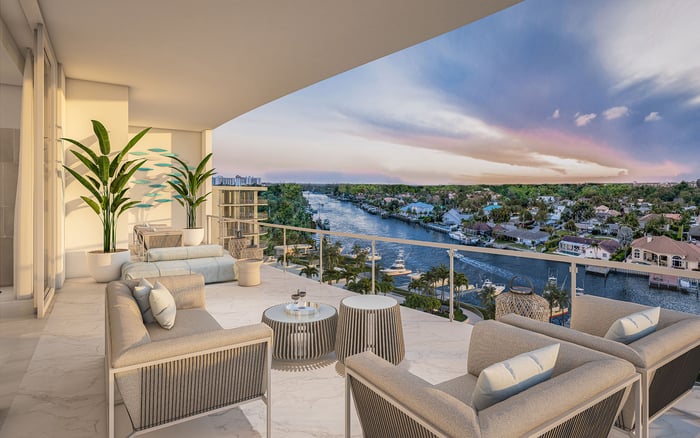
Any plan affecting streets, sidewalks, gates, fire access, or building common areas should be reviewed by the relevant professionals and authorities. For a waterfront property, extend the circulation audit to terraces, pool decks, docks, and changes in level. Evening lighting, walking surfaces, and clear paths deserve careful review wherever guests may move near water.
Security planning should begin with the property’s constraints rather than a generic staffing template. Buyers can ask where access can be monitored, whether guest and service entry can be separated, how vendors are credentialed, and how emergency access remains unobstructed. Monitoring, emergency planning, coordination, and staffing are specialist matters requiring property-specific advice.
Insurance review belongs in the same conversation. Before hosting, the owner should discuss the contemplated gathering, outside vendors, valet operations, temporary installations, alcohol service, and water-adjacent activity with qualified insurance and legal advisers. The objective is a calm, legible system in which responsibilities are established before guests arrive.
In a managed residence, obtain written clarity on what the association or operator controls and what remains the owner’s responsibility. Do not presume that building personnel can support a private function or that ordinary residential procedures can accommodate concentrated arrivals. Confirm the available services and restrictions directly.
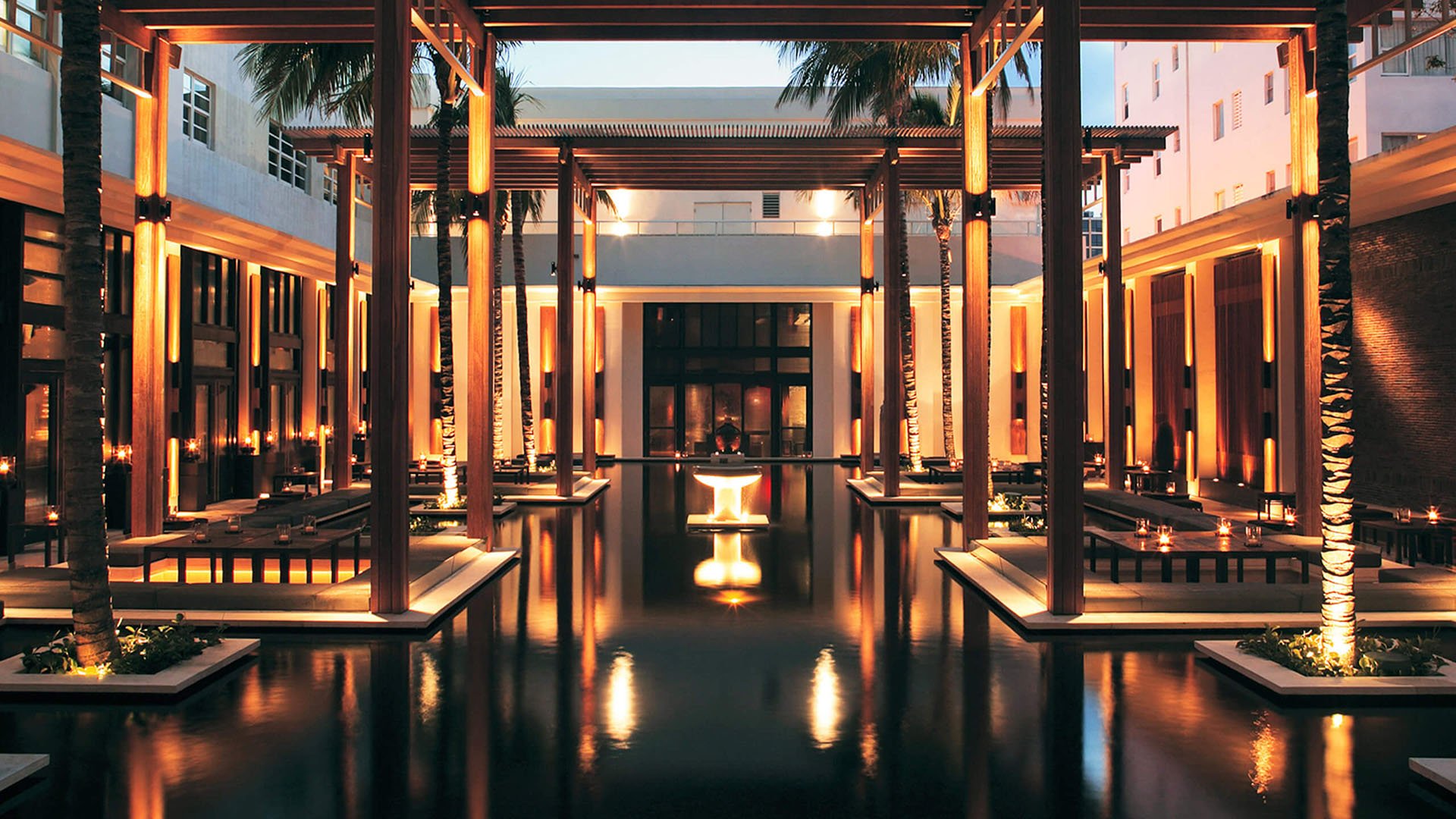
A daytime showing may not reveal the conditions that define an evening function. Return after sunset where permitted to review approach lighting, address visibility, changes in grade, terrace edges, poolside paths, and transitions between indoor and outdoor spaces. Lighting and irrigation should also be checked before entertaining so that maintenance issues can be addressed.
Indoor-outdoor flow deserves equal scrutiny. Doors, terraces, lawns, and pool decks should support the intended style of entertaining while preserving a practical service path. Consider weather contingencies without assuming that a covered terrace resolves every operational issue. The buyer’s team should establish where guests, furnishings, catering, and staff would move if outdoor areas became unavailable.
This is also a lifestyle decision. Some owners may prefer intimate dinners before attending events at hotels or cultural institutions, while others may envision larger philanthropic gatherings at home. The right residence is one whose rules, access, and physical circulation support the intended program without compromising privacy or everyday use.
Before finalizing the purchase, conduct a tabletop exercise around a plausible evening. Choose a current gala date, outline the intended guest sequence without overstating capacity, and walk through registration, vehicle approach, host greeting, service movement, outdoor circulation, departure, and emergency access. Record every point that depends on association approval, municipal guidance, insurance review, or specialist judgment.
The exercise should produce a concise list of decisions: the preferred closing window, required improvements, approval lead times, operating responsibilities, and the earliest prudent event date. It should also reveal whether an elegant property can perform discreetly under pressure. During South Florida gala season, that distinction separates owning a setting from owning a residence prepared to receive.
For discreet guidance on selecting a South Florida residence suited to your seasonal calendar, connect with MILLION.
If branded residences are on your mind — as a home or as an allocation — we would be glad to share what we are seeing, privately.
Begin a quiet conversationThe intended entertaining calendar can affect closing priorities, improvement timing, approvals, and operational preparation.
No. Buyers should verify current event schedules because dates and venue patterns may change.
Work backward from the first intended function and allow time for improvements, furnishing, approvals, deliveries, and rehearsals.
Ask about submission deadlines, permitted guest information, updates, authorization procedures, waiting areas, and staff responsibilities.
Separation can reduce conflicts among guests, caterers, vendors, household staff, deliveries, and waste removal.
Review current rules for private events, lobby access, elevators, vendors, deliveries, parking, valet operations, and shared-space use.
Review evening lighting, walking surfaces, clear paths, changes in level, and guest movement near water.
Buyers should not assume so. Confirm what building personnel control and what remains the owner’s responsibility.
It can reveal issues involving approach lighting, visibility, grade changes, terrace edges, poolside paths, and indoor-outdoor transitions.
Conduct a tabletop rehearsal covering registration, arrivals, valet flow, service movement, outdoor circulation, departures, and emergency access.