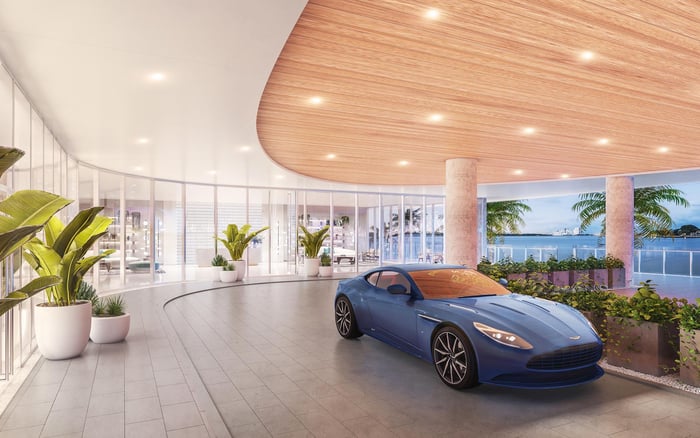
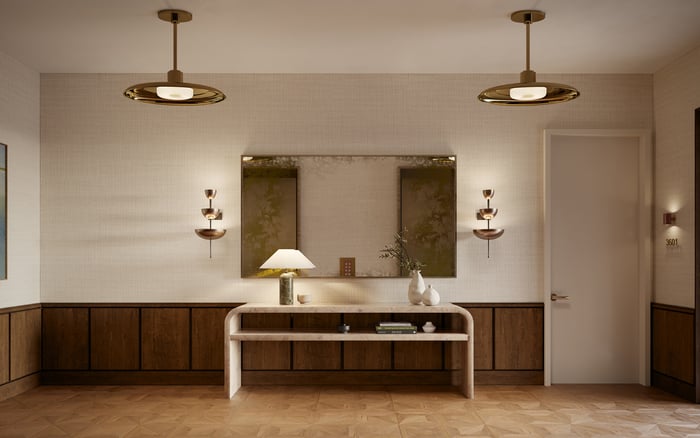
Edgewater buyers comparing wellness-oriented waterfront residences should distinguish environmental systems from recovery amenities and hospitality-led programming. Edge House Miami, Missoni Baia and EDITION Residences Edgewater represent different wellness profiles, but buyers should verify all air, water and recovery claims through project documents, testing protocols and maintenance records before closing.
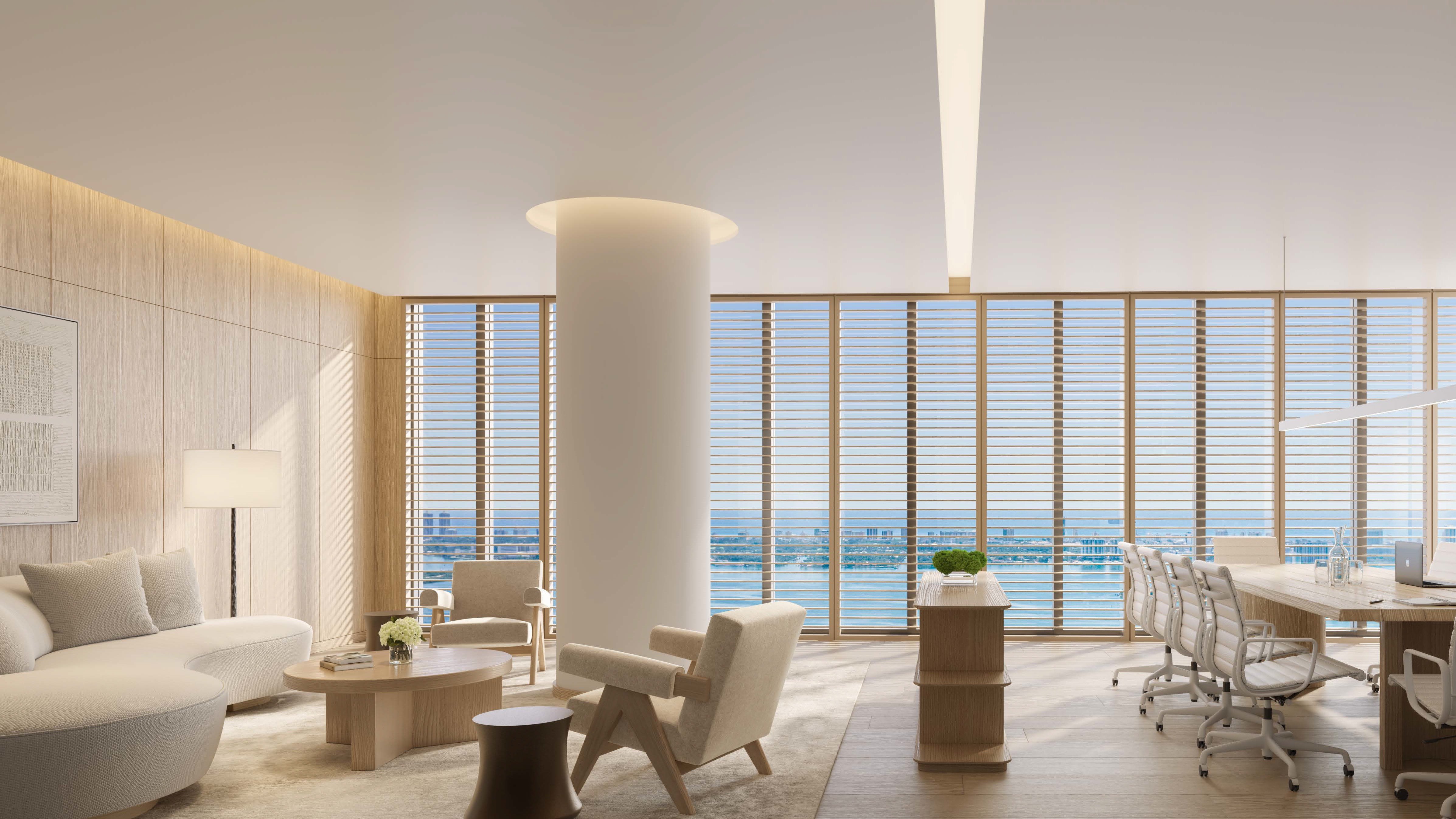
The most discerning wellness buyer is no longer satisfied with an attractive spa and fitness room. In Edgewater, the more consequential question is whether a residence addresses the environment people inhabit every day: the air circulating through relevant spaces, the water entering the home and the recovery facilities available after training, travel or long working hours.
That distinction matters because leading options may solve different problems. Edge House Miami can be evaluated as a systems-led candidate, while Missoni Baia can be considered through the lens of waterfront recovery. EDITION Residences Edgewater presents a hospitality-oriented wellness profile. None of these categories should substitute for document-based verification.
The strongest wellness purchase is the one whose systems can be verified, maintained and used consistently.
Edge House Miami: investigate the environmental proposition
Buyers considering Edge House should focus their diligence on the scope of any stated air and water treatment. The essential questions are which spaces and water lines are served, what equipment is specified, how performance is tested and who is responsible for maintenance.
Location should also be part of the comparison. A buyer seeking the clearest expression of waterfront living may weigh environmental claims differently from direct water views, outdoor space and access to recovery amenities. Technical language should be treated as a starting point for investigation rather than independent proof of performance.
Missoni Baia: assess the waterfront recovery routine
Missoni Baia is best assessed by examining how its spa, fitness, pool and relaxation spaces would support a resident’s actual routine. On a tour, buyers should consider privacy, circulation, operating hours, reservation procedures and the transition between exercise, heat therapy, treatment and rest.
The practical value of a recovery environment depends on more than the number of amenities. Accessibility, upkeep, staffing and frequency of use all affect whether the program becomes part of daily life. Buyers should review the condominium documents and current operating information rather than relying solely on a visual tour.
EDITION Residences Edgewater: evaluate hospitality-led wellness
EDITION Edgewater can be approached as a hospitality-led option. Buyers drawn to branded residences may value the relationship between spa experiences, fitness programming, service and shared waterfront spaces.
That proposition remains distinct from measurable indoor environmental performance. A polished wellness program does not by itself establish an air-quality threshold, water-treatment result or continuing testing standard. Buyers who prioritize those issues should investigate them separately through the relevant technical and contractual documents.
A residence tour should separate three categories often blended in marketing. The first is environmental infrastructure, including filtration, purification, monitoring and testing. The second is recovery hardware, such as saunas, steam rooms, treatment spaces and pools. The third is lifestyle delivery: staffing, reservations, programming, privacy and the ease with which residents can incorporate amenities into a repeatable routine.
Buyers conducting a broader neighborhood comparison may also tour Aria Reserve Miami, The Cove Residences Edgewater and Villa Miami to compare residence layouts, positioning and the practical rhythm of different Edgewater offerings. Their inclusion in a tour should not be interpreted as a claim that they provide equivalent air, water or recovery standards.
During each visit, note the distance from the residence to wellness spaces, the privacy of the route and whether the facilities feel practical at the times they would most often be used. Outdoor terraces and water views may support a sense of wellbeing, but they should be considered separately from technical environmental systems.
Terms such as purified, sterilized, medical-grade and biosecure may sound precise, but terminology alone does not reveal system performance. Request mechanical and plumbing specifications, equipment schedules and written descriptions of every area served. Confirm whether treatment applies inside individual residences, only in shared spaces or at a building-wide point of entry.
For air, ask about filter type and rating, outdoor-air exchange, humidity control, replacement intervals and responsibility for servicing equipment. Determine whether stated performance reflects design intent, commissioning results or continuing measurement. If sensors are included, establish what they measure, where they are installed and whether residents can review the results.
For water, request the treatment sequence, testing procedures and available results. Clarify whether treatment applies to all residential water or only selected lines, and whether filters or other components are located within the residence. Maintenance contracts and replacement schedules matter because any system depends on correct operation.
Third-party testing can add confidence, but scope is crucial. A result for one component does not necessarily establish the performance of an entire residence or tower. The purchase agreement, condominium documents and engineering exhibits should align with the wellness language presented during the sales process.
Recovery spaces should be evaluated as operating environments rather than brochure features. Ask who manages treatment rooms, whether services require separate fees and how residents reserve high-demand facilities. Review rules affecting guests, trainers and outside practitioners, and determine whether those rules fit the intended routine.
Buyers should also inspect acoustics, lighting, ventilation, cleanliness and transitions between wet and dry areas. These details influence comfort and repeat use without being captured by a simple amenity count. If a facility is not yet operating, request the governing documents and written plans that define intended access and responsibility.
The right choice depends on what the buyer wants to measure. Those prioritizing treated air and water should begin with the technical scope, testing process and maintenance plan. Those seeking a waterfront recovery environment should assess spa, pool and fitness spaces against their likely weekly routine. Buyers drawn to branded residences and service-oriented wellness should examine how programming, staffing and access are expected to work in practice.
A final comparison should account for privacy, operating costs, reservation policies, maintenance obligations and the distance from the residence to each amenity. A spectacular recovery suite that is difficult to access may contribute less to daily wellbeing than a simpler facility used consistently. In this category, disciplined diligence converts attractive wellness language into an informed understanding of performance, responsibility and long-term suitability.
For confidential guidance on selecting an Edgewater residence aligned with your wellness priorities, connect with MILLION.
If branded residences are on your mind — as a home or as an allocation — we would be glad to share what we are seeing, privately.
Begin a quiet conversationStart by separating environmental systems, recovery amenities and hospitality services. Each category requires a different form of due diligence.
Marketing terminology does not establish system scope or continuing performance. Buyers should review technical documents, testing procedures and maintenance responsibilities.
Evaluate the scope, testing and upkeep of any stated air and water treatment. Location and the desired relationship with the waterfront should be considered separately.
Focus on whether its recovery spaces fit the buyer’s routine, privacy preferences and access needs. Current operating information and condominium documents should support the assessment.
Consider the relationship between wellness services, fitness programming and the branded-residence experience. Investigate technical air and water performance separately.
Request mechanical specifications, equipment schedules, commissioning information, testing protocols and maintenance plans.
Confirm the treatment sequence, water lines served, testing procedures, component locations and responsibility for replacement and maintenance.
No. Recovery amenities and measurable environmental systems are separate categories and should be evaluated independently.
Review hours, reservations, staffing, guest rules, fees, privacy and the route from the residence to each facility.
Use the same checklist for environmental systems, recovery spaces, service delivery, documents and ongoing obligations at every property.